
Most Moms Report Slower Recovery After a Second Birth
Jul 19, 2026By Dr. Akanksha Priya
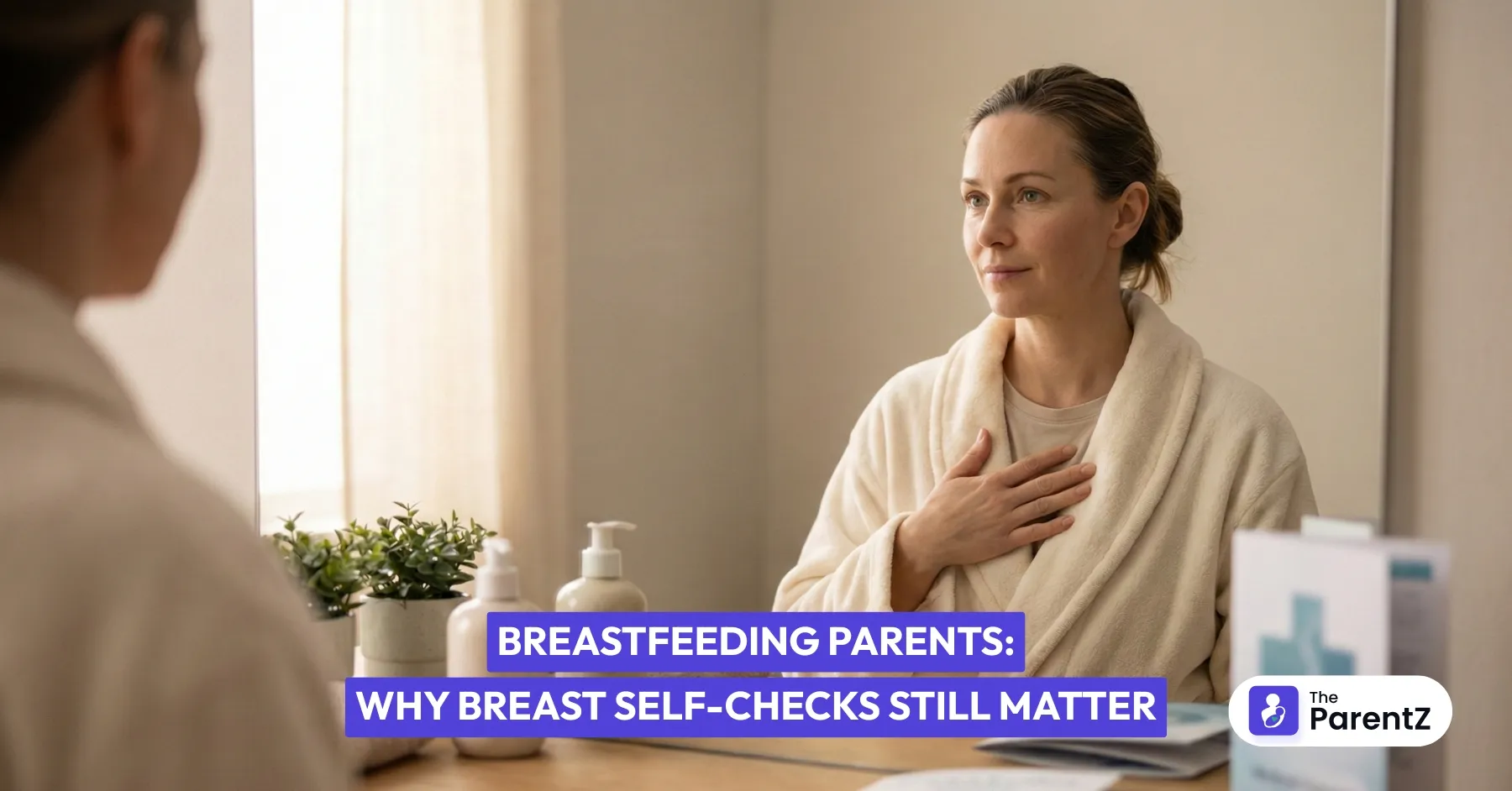
If you're breastfeeding, your breasts are doing some pretty amazing work right now. They're changing constantly, filling with milk, emptying, adjusting to your baby's needs. With all these changes happening, you might wonder, "Should I still be checking my breasts?" "How am I supposed to tell what's normal when everything feels different?"
Breast self-awareness matters more than ever when you're nursing. Not because you need to panic about every lump (spoiler: lumps are super common when breastfeeding), but because knowing what's normal for you helps you spot when something needs attention.
Your breasts are going through a lot right now. They're probably lumpier than usual, changing size throughout the day, and generally feeling different from what they did before baby arrived. This is exactly why staying familiar with them is so important.
Breast cancer during lactation is rare, but the normal changes happening in your breasts can sometimes make you second-guess what you're feeling. Plus, there are breastfeeding-specific issues you'll want to catch early, like plugged ducts or mastitis, before they become bigger problems.
When you're nursing, your breasts can feel like a completely different landscape. Here's what you might notice that's totally fine:
You don't need to spend 45 minutes doing a formal exam. Here's a simple approach that actually works for busy moms:
The key isn't following a perfect technique. It's about staying familiar with your breasts, so you notice when something changes and doesn't go away.
1. First, don't panic: Most lumps in breastfeeding moms are completely benign. Take a deep breath.
2. Give it a few days: If it could be a plugged duct (tender, painful, localized), try nursing frequently from that breast, warm compresses before feeding, and gentle massage. Try different nursing positions to help drain that area. Many breastfeeding-related lumps resolve on their own.
3. Call your doctor if:
4. Get it checked out: Your doctor may order imaging. Ultrasound is usually the first choice for breastfeeding parents. It’s safe and works well for milk-filled breasts.
Pro Tip: Breastfeed or pump before the appointment to help get clearer images.
Mammograms, ultrasounds, and even biopsies; none of these affect your milk or harm your baby. The procedures are safe while nursing.
5. Demand answers: Make sure your doctor explains what's causing any changes and has a plan for monitoring or treating it. If you're not comfortable with the advice, get a second opinion. You're the expert on your body, and you deserve clear answers.
Some symptoms can overlap between rare breast conditions and common breastfeeding issues. While you're much more likely to be dealing with a breastfeeding-related problem, it's worth mentioning these to your doctor:
Checking your breasts at home doesn't replace proper medical screening. Some cancers are too small to feel, which is why you still need:
Talk with your healthcare provider about developing a breast cancer screening plan that makes sense for your situation. The American College of Radiology recommends that all women be evaluated by a doctor for breast cancer risk no later than age 25.
All breast imaging tests are safe while breastfeeding. The X-rays from mammograms don't affect your milk. Just breastfeed or pump right before your appointment to empty your breasts as much as possible for clearer images.
The more you check your breasts, the better you'll know them. This isn't about adding another stressful task to your already full plate as a new parent. It's about those few minutes in the shower, or while you're nursing and have a free hand.
If you've had any breast procedures, like surgery, biopsies, or treatment, take time to establish a new baseline once you're healed. Your breasts might feel different now, and that's okay. Just get familiar with the new normal.
Breast self-awareness during breastfeeding isn't about being hyper-vigilant or worrying about every change. It's about knowing your body well enough to recognize when something doesn't feel right.
Most lumps and changes you find will be normal breastfeeding stuff. But occasionally, something needs attention. The earlier you catch things like mastitis, the easier they are to treat. And while breast cancer during breastfeeding is rare, early detection matters there too.
So yes, keep paying attention to your breasts.
TheParentZ offers expert parenting tips & advice, along with tools for for tracking baby and child growth and development. Know more about Baby Growth and Development Tracker App.It serves as an online community for parents, providing valuable information on baby names, health, nutrition, activities, product reviews, childcare, child development and more
Disclaimer:
The views, thoughts, and opinions expressed in this article/blog are solely those of the author and do not necessarily reflect the views of The ParentZ. Any omissions, errors, or inaccuracies are the responsibility of the author. The ParentZ assumes no liability or responsibility for any content presented. Always consult a qualified professional for specific advice related to parenting, health, or child development.
Conversations (Comments) are opinions of our readers and are subject to our Community Guidelines.

Be the first one to comment on this story.