
Most Moms Report Slower Recovery After a Second Birth
Jul 19, 2026By Dr. Akanksha Priya
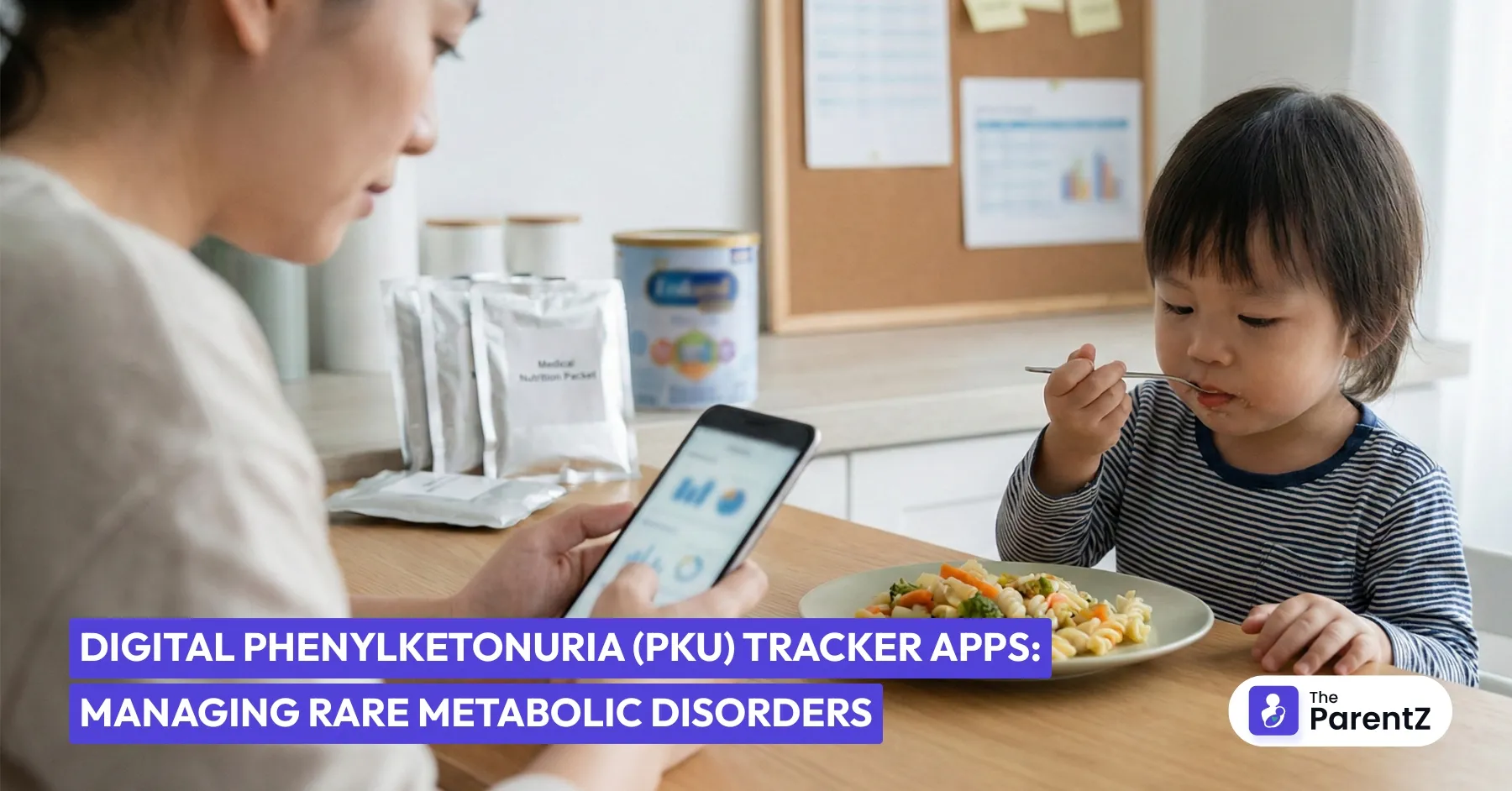
Phenylketonuria (PKU) is a rare but serious genetic condition. When left untreated, it can cause irreversible neurodevelopmental damage. PKU is a genetic metabolic disorder in which the body fails to metabolize the amino acid phenylalanine (Phe). However, as with any other life-changing illness, early diagnosis is crucial. Newborn metabolic screening, including for PKU, is recommended in India, although it is not yet mandatory nationwide. Some major hospitals and state programs conduct these screenings.
Digital tools are now reshaping PKU management in India. Over the last decade, technology has advanced rapidly, and mobile or web-based PKU tracker apps have emerged as practical tools. These apps support patients, caregivers, and clinical teams in the complex work of dietary management, phenylalanine monitoring, and treatment adherence.
Parentz is a one-stop destination for new-age mothers. This article explores why digital PKU trackers matter, the most useful features, supporting evidence, limitations, and practical tips for choosing a trustworthy metabolic disorder app.
PKU therapy is primarily dietary. Patients consume a low-phenylalanine diet, often supplemented with specially formulated medical foods (protein substitutes) and regular blood Phe monitoring. Targets and treatment intensity vary by age and phenotype. Successful management requires constant tracking of food intake, protein equivalents, recorded blood Phe levels, and communication with clinics.
This makes PKU care a natural match for smartphone apps that log meals, compute Phe intake, store lab results, set reminders, and export reports for clinicians. Clinical guidelines and nutritional manuals emphasize regular monitoring and personalized eating plans. However, in India, monitoring frequency and dietitian availability may vary depending on access to metabolic centers and resources.
But how trustworthy are these tools? Let’s find out.
There is growing evidence supporting the effectiveness of PKU-specific apps. In 2022, a randomized controlled trial of a low-protein multimedia dietary app showed improvements in users' self-efficacy, dietary knowledge, and some aspects of dietary control. These findings, however, come primarily from small-scale studies in Western countries. In India, most available data are observational, and large-scale clinical trials are still limited.
Digital tracking helps address key challenges in PKU care, including complex food calculations, the social burden of dietary restrictions, and communication gaps with care teams. It simplifies tracking and enables better-informed clinic visits. Yet, experts recommend viewing such apps as complementary tools integrated within multidisciplinary care, not replacements for it.
Not all apps are created equal. For safety and usefulness, prioritize apps with these core capabilities:
Popular examples include EasyPKU, developed with the Norwegian PKU Association, and other regional platforms offering meal-scanning and home-lab result logging. While international examples show patient-centered design and usability, Indian PKU clinics and societies have yet to develop dedicated digital tracking platforms. Patients may rely on global tools with adaptable food databases.
Digital tools should reinforce, not replace, standard clinical care in PKU management in India. Key practices to maintain while using apps include:
Patients and caregivers report several practical gains from using PKU tracker apps. These include less time spent manually calculating meals, reduced anxiety, easier adherence with reminders, and clearer clinic communication. Logs make Phe intake visible, and exported reports summarize months of data, helping clinics access more actionable information and minimize guesswork.
Studies have shown measurable improvements in users’ self-efficacy and eating habits, which are important patient-centered outcomes for chronic disease management.
A metabolic disorder app is a helpful tool, but not a substitute for medical advice. Key limitations include:
As PKU research advances globally—with new pharmacologic options such as Sapropterin (BH4) and pegvaliase for adults—digital tools will evolve to include medication tracking, lab alerts, and electronic record integration. However, these treatments are not yet widely available in India and are currently limited to a few metabolic centers under special access programs.
In the near future, machine learning may enable personalized meal recommendations that balance Phe intake, nutritional needs, and preferences. Early evidence suggests that clinically validated digital tools can reduce daily management burdens and enhance patient engagement in PKU management in India.
PKU management in India remains a lifelong, detail-oriented process requiring access to accurate, reliable information. Digital PKU tracker apps, particularly those developed in collaboration with medical partners and supported by real-world evidence, can simplify dietary calculations, enhance adherence, and facilitate coordination with metabolic care teams.
While they cannot replace newborn screening, dietitian guidance, or regular blood monitoring, they are valuable companions for patients and families living with PKU.
Visit TheParentz to learn more about managing PKU with trusted digital tools and guidance designed to empower families through awareness and care.

TheParentZ offers expert parenting tips & advice, along with tools for for tracking baby and child growth and development. Know more about Baby Growth and Development Tracker App.It serves as an online community for parents, providing valuable information on baby names, health, nutrition, activities, product reviews, childcare, child development and more
Dr. Shreya Karan is a dedicated oral and maxillofacial surgeon who brings over ten years of experience to her practice, combining surgical expertise with genuine care for her patients.
Disclaimer:
The views, thoughts, and opinions expressed in this article/blog are solely those of the author and do not necessarily reflect the views of The ParentZ. Any omissions, errors, or inaccuracies are the responsibility of the author. The ParentZ assumes no liability or responsibility for any content presented. Always consult a qualified professional for specific advice related to parenting, health, or child development.
Conversations (Comments) are opinions of our readers and are subject to our Community Guidelines.



Be the first one to comment on this story.