
Most Moms Report Slower Recovery After a Second Birth
Jul 19, 2026By Dr. Akanksha Priya
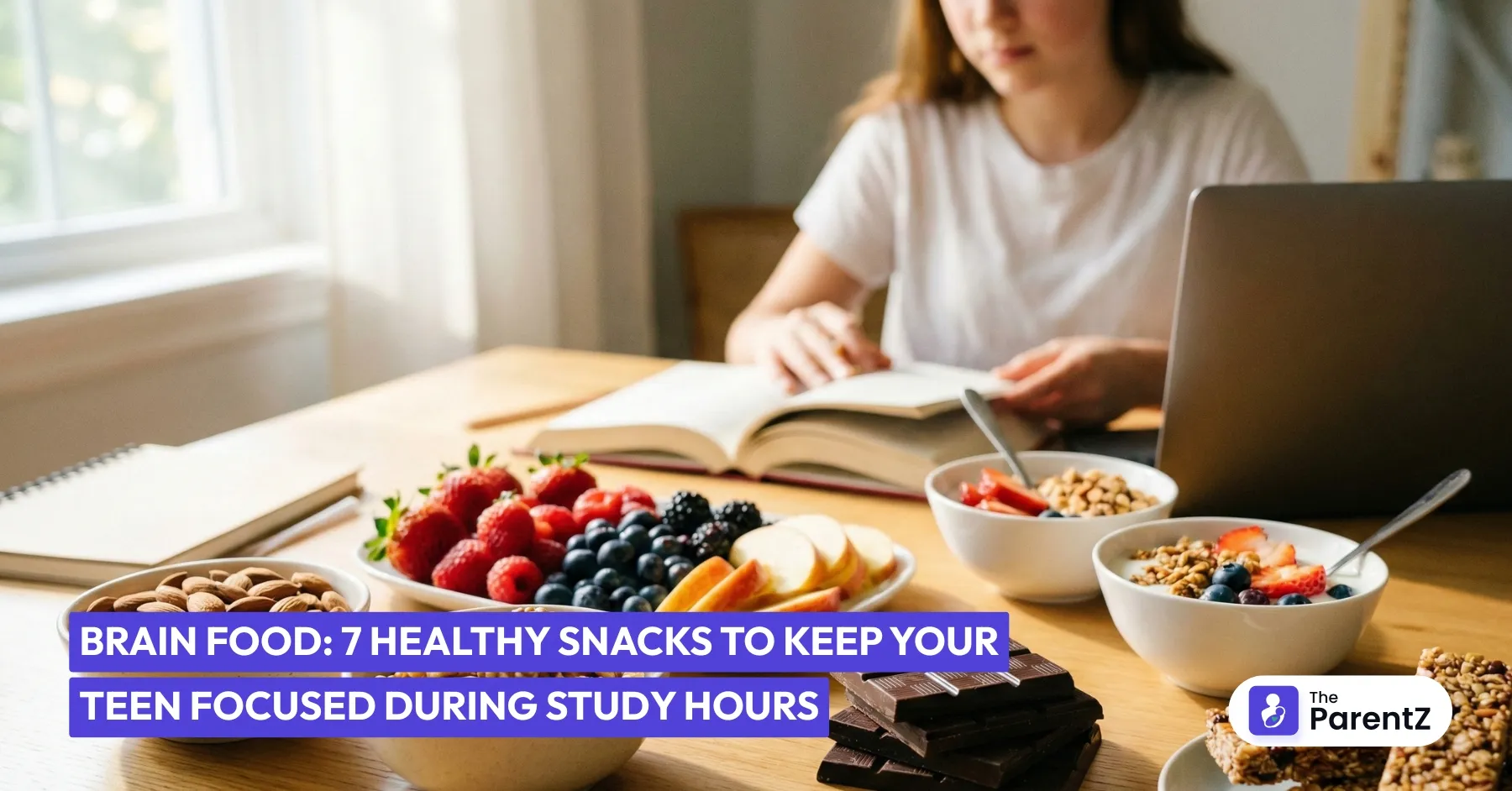
You know that moment when your teen has been studying for hours, and suddenly they’re in the kitchen looking for “something to eat”? And before you know it, they’ve eaten a packet of chips or a few cookies, only to feel sleepy or cranky an hour later.
The brain needs steady fuel to study. But not all snacks are equal. Some give a quick sugar rush and then a crash. Others keep them going for hours without messing with their energy.
So here are seven snacks that actually help, are affordable, and don’t require anything fancy.
Let's start with the classic Indian mom favorite.
Almonds contain vitamin E and healthy fats that support overall brain and nerve health. They also release energy slowly, thanks to the protein and good fats, so your teen stays full and steady instead of crashing.
Soak 4–5 almonds overnight, peel them, and give them before school or study time. It’s simple, and it works.
Pro Tip: You can crush them slightly or blend them into a smoothie if they don't like the texture.
This is probably already sitting in your pantry. And it’s genuinely useful during study time.
Roasted chana has protein and fiber that help keep blood sugar stable. Chickpeas also contain B vitamins that support normal brain function and steady energy. One handful can keep hunger away for 2–3 hours; definitely better than biscuits that last barely 30 minutes.
Buy plain roasted chana and not the one coated in sugar or excessive salt. You can add a tiny pinch of black salt or chaat masala if your teen needs flavor. Keep a small bowl on their study table. Done.
Pro Tip: You can also make a chana chaat with cucumber and tomato pieces for variety.
If you haven't discovered makhana yet, you're missing out on one of the easiest brain snacks ever.
Makhana contains magnesium, antioxidants, and a bit of protein, all of which support nerve health and steady energy. It’s also very light on the stomach. Unlike heavily fried snacks that make you sluggish, makhana keeps energy stable without weighing your teen down.
Roast makhana in a pan with a tiny bit of ghee (you can skip oil entirely). Add a pinch of turmeric or black pepper if you want. That's it. Store in an airtight container, and it stays fresh for weeks. This is one of those "set it and forget it" snacks.
Pro Tip: Add it to their evening milk or let them munch during homework time.
Affordable. Available everywhere. And underrated.
Peanuts are rich in healthy fats, vitamin B3 (niacin), and folate. These nutrients support overall brain health and help maintain steady energy. The mix of protein & healthy fats prevents energy spikes and crashes. Plus, peanuts are far cheaper than most packaged “healthy” snacks.
Buy raw peanuts and roast them at home; toss them in a pan on medium heat for 5-7 minutes. Skip the packaged masala peanuts loaded with salt and preservatives. You can make peanut chikki with jaggery for variety, but plain roasted works best for studying.
Pro Tip: Check for allergies first (this is crucial). You can make peanut butter at home by grinding roasted peanuts; spread it on whole wheat bread for a filling snack.
This might sound "healthy" in that boring way, but sprouts are genuinely easy to make, and kids actually like them.
They are rich in protein, iron, and B-complex vitamins. These nutrients help maintain energy levels, prevent fatigue, and support overall wellness during long study hours. Iron also helps carry oxygen through the body, which is important for staying alert.
Soak moong dal overnight, drain, wrap in a cloth, and let it sprout for a day. Make a quick chaat with tomatoes, onions, lemon, and chaat masala. Or toss lightly boiled sprouts with black salt and cumin powder. Takes 5 minutes.
Pro Tip: For picky eaters, mix sprouts into poha or upma; they won't even notice.
This one's a recent addition to Indian kitchens, but it's worth it.
Seeds like pumpkin, sunflower, and flax contain zinc, magnesium, healthy fats, and antioxidants. These nutrients support nerve health, mood regulation, and steady energy, all of which are important during study hours. Zinc especially plays a role in cognitive function and attention.
Buy raw seeds (available in most supermarkets now). Roast them together in a pan, no oil needed. Store in a jar. Give your teen a small handful (about a tablespoon) to munch while studying. Mix with roasted chana for extra crunch.
Pro Tip: Add to breakfast cereal for an easy morning boost.
Sometimes the simplest things work best. Indian homes always have dahi.
Yogurt supports gut health because of its probiotics. A healthy gut helps with mood, calmness, and mental clarity. When paired with fruits like banana, apple, orange, or guava, you get natural sugars (for quick energy), vitamin C, and a bit of protein; a perfect combo for steady energy during studying.
Cut up whatever seasonal fruit you have, like bananas, apples, orange segments, and pomegranates. Mix with plain dahi, and add a tiny drizzle of honey if needed. That's your snack. No fancy Greek yogurt needed; regular dahi works perfectly.
Pro Tip: Adjust the sweetness based on their preference, but keep it minimal.
You don’t need complicated recipes or expensive “superfoods” to support your teen during study hours. What they need is steady energy, balanced nutrients, and snacks that don’t spike and crash their blood sugar. So, start with one or two snacks. See what your teen actually eats. Build from there.
A Quick Note on Hydration: Sometimes what feels like hunger is actually thirst. Keep a water bottle on the study table so they can sip regularly.
TheParentZ offers expert parenting tips & advice, along with tools for for tracking baby and child growth and development. Know more about Baby Growth and Development Tracker App.It serves as an online community for parents, providing valuable information on baby names, health, nutrition, activities, product reviews, childcare, child development and more
Disclaimer:
The views, thoughts, and opinions expressed in this article/blog are solely those of the author and do not necessarily reflect the views of The ParentZ. Any omissions, errors, or inaccuracies are the responsibility of the author. The ParentZ assumes no liability or responsibility for any content presented. Always consult a qualified professional for specific advice related to parenting, health, or child development.
Conversations (Comments) are opinions of our readers and are subject to our Community Guidelines.


Be the first one to comment on this story.