
Most Moms Report Slower Recovery After a Second Birth
Jul 19, 2026By Dr. Akanksha Priya
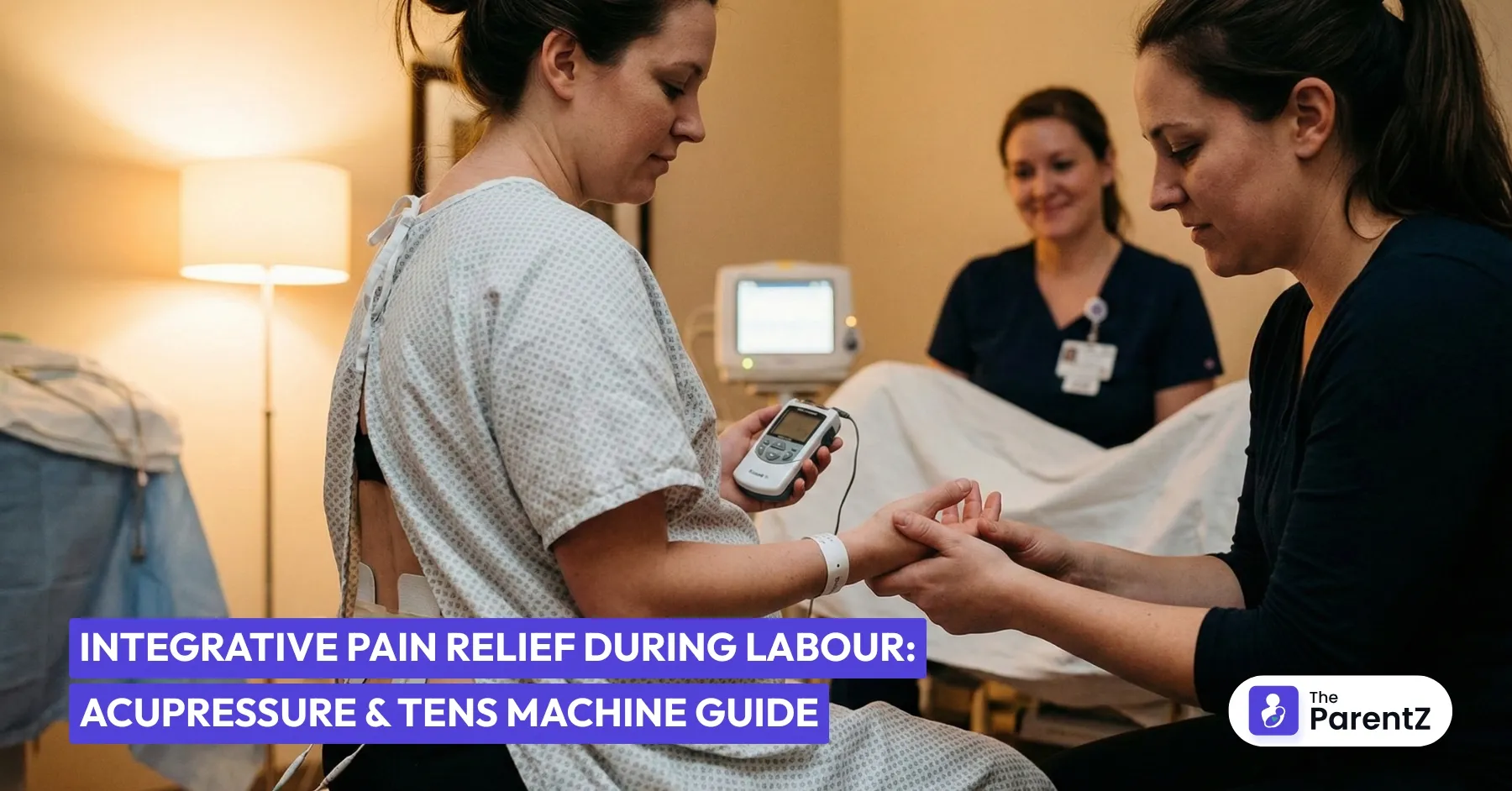
Giving birth is an intensely personal and unique experience, and every woman’s labour unfolds differently. For many, the idea of using drug-free methods to ease discomfort is appealing. Non-pharmacological techniques can complement medical pain management and help women feel more in control of their birthing experience. Two widely recognized methods are labour pain relief, acupressure, and TENS (Transcutaneous Electrical Nerve Stimulation).
This guide explores how these techniques work, what science says about them, practical steps for use, and how they can be safely combined for a more holistic approach to labour pain relief acupressure. It also touches on the growing use of TENS therapy for labour in India.
Acupressure involves applying firm, steady pressure on specific points of the body known as acupoints. This ancient practice, rooted in Traditional Chinese Medicine, is believed to balance the body’s energy and trigger the release of endorphins, the body’s natural painkillers. During labour, acupressure can help reduce muscle tension, calm the nervous system, and decrease the perception of pain.
TENS, on the other hand, uses mild electrical impulses delivered through small electrodes placed on the skin. These pulses “close the gate” to pain signals traveling to the brain and stimulate endorphin release. When used early in labour, TENS can lessen discomfort, especially for lower back pain, allowing women to stay mobile and engaged in the birthing process.
Both methods are safe, drug-free, and easy to use under guidance, making them valuable tools for many expectant mothers seeking comfort and empowerment during childbirth.
Acupressure has been the focus of multiple scientific studies. Systematic reviews and meta-analyses have shown that women who used acupressure during labour often reported lower pain intensity and greater satisfaction with their birthing experience compared to those who did not. The most effective points studied include SP6 (Sanyinjiao) and LI4 (Hegu). While the degree of benefit varies across studies, the overall trend supports acupressure as a useful complementary therapy for managing labour pain.
TENS in labour, India, meanwhile, has shown mixed but promising results. Clinical research indicates that it can be particularly effective when used early in labour, especially for back pain. Electrical stimulation appears to help reduce the intensity of contractions felt in the lower back, although results can vary from person to person. Health authorities, including the National Institute for Health and Care Excellence (NICE), recognize TENS as a safe, non-invasive option that may be beneficial for some women, particularly in early labor.
Together, these findings suggest that both acupressure and TENS can be part of a balanced, integrative approach to labour comfort.
If you plan to use acupressure during labour, it’s best to learn and practice the points beforehand, ideally with your birth partner or doula. Applying steady, firm pressure for about 30–60 seconds, then releasing briefly, is the most common approach. Pressure should feel strong but not painful.
Here are key acupressure points for labour:
Located about four finger-widths above the inner ankle bone, just behind the shin bone. SP6 is one of the most frequently used points for easing uterine contractions and calming anxiety during labour. It’s believed to help promote cervical dilation and manage discomfort.
Found in the webbing between the thumb and index finger, this point is known for its general pain-relieving properties. It helps manage contractions and encourages energy flow throughout the body.
Located on the sacrum, on either side of the spine, BL32 is particularly effective for relieving back pain during labour. Applying steady pressure or massage here can bring significant relief during contractions.
Situated on the top of the shoulders, halfway between the neck and the outer shoulder. GB21 helps reduce tension and stress, promoting relaxation during labour.
These points can be stimulated by a partner using fingers, thumbs, or knuckles. Some women combine acupressure with rhythmic breathing for better focus and calm.
A TENS machine is compact and simple to use. Many women start using it at home in early labour before heading to the hospital. Here’s how to get started:
In India, TENS in labour is becoming increasingly common in hospitals and maternity centres, especially in urban areas. More midwives and obstetricians are being trained in its use as part of a modern, patient-centred approach to childbirth.
Acupressure and TENS can be used together to enhance comfort during labour because they work through different mechanisms. Acupressure targets specific points that influence energy flow and hormonal balance, while TENS acts on the nervous system to block pain signals.
Here’s how to combine them effectively:
This integrative strategy allows flexibility, and you can adjust techniques as your labour progresses, combining modern technology with ancient wisdom.
Both methods are considered low-risk when used correctly. However, they should always be discussed with your healthcare provider or midwife before labour begins.
Safety tips:
Healthcare providers often support these methods as part of a birth plan that prioritizes minimal intervention and active participation. Practicing acupressure techniques and learning TENS setup before labour ensures smoother use on the big day.
When preparing your birth plan, communicate clearly with your care team about your desire to use labour pain relief acupressure, and possibly a TENS machine. Include details like:
A written plan helps ensure everyone is on the same page and that your preferences are respected during labour.
Integrative methods like labour pain relief acupressure and the use of TENS machines represent a balanced approach to childbirth that values both comfort and empowerment. While they may not eliminate all pain, these techniques can significantly enhance coping, confidence, and overall birth experience.
More women are discovering that effective labour support can come from combining modern science with timeless, natural techniques. With proper guidance and preparation, you can use these tools to make your birthing journey more positive, informed, and supported.
Seeking professional guidance on parenting and pregnancy? Explore in-depth articles on baby care, nutrition, developmental milestones, and pregnancy health at The ParentZ.
TheParentZ offers expert parenting tips & advice, along with tools for for tracking baby and child growth and development. Know more about Baby Growth and Development Tracker App.It serves as an online community for parents, providing valuable information on baby names, health, nutrition, activities, product reviews, childcare, child development and more
Dr. Shreya Karan is a dedicated oral and maxillofacial surgeon who brings over ten years of experience to her practice, combining surgical expertise with genuine care for her patients.
Disclaimer:
The views, thoughts, and opinions expressed in this article/blog are solely those of the author and do not necessarily reflect the views of The ParentZ. Any omissions, errors, or inaccuracies are the responsibility of the author. The ParentZ assumes no liability or responsibility for any content presented. Always consult a qualified professional for specific advice related to parenting, health, or child development.
Conversations (Comments) are opinions of our readers and are subject to our Community Guidelines.



Be the first one to comment on this story.