
Most Moms Report Slower Recovery After a Second Birth
Jul 19, 2026By Dr. Akanksha Priya
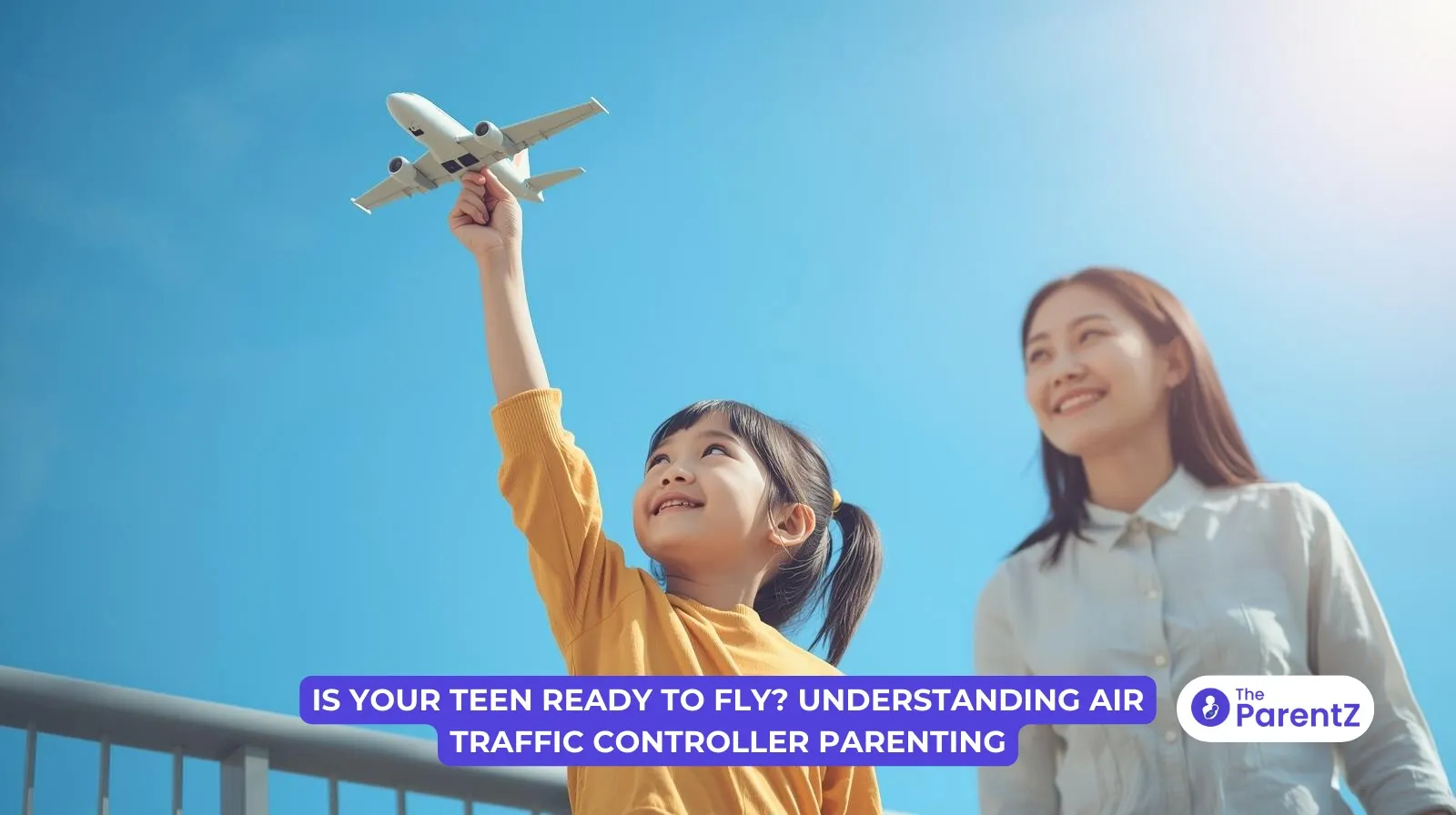
If you’re parenting a teenager right now, you probably feel it. That shift.
They’re not little anymore. They don’t need help tying their shoes or packing their bag. But they also aren’t fully grown. They still forget things. They still overreact. They still need you even if they pretend they don’t.
And somewhere in the middle of all that, you’re standing there wondering: Do I step in? Do I back off? Am I being too strict? Too relaxed?
There’s a term floating around lately called “air traffic controller parenting.” It sounds fancy. It’s really not.
The idea is simple. You’re not flying the plane for your teen. You’re not sitting in the cockpit controlling every button. But you’re not asleep in another room either. You’re nearby. You’re watching. You’re paying attention to patterns. And when things start heading in a risky direction, you step in calmly and help guide.
That’s it.
It’s less about control and more about steady presence.
Your teen asks to go out with friends on a Friday night. A few years ago, maybe that would’ve been an automatic no. Or maybe you would’ve said yes but spent the entire evening tracking them and calling every 20 minutes.
With this approach, you pause. You talk it through.
“Where are you going?” “Who’s going to be there?” “What time will you be home?”
You agree on clear boundaries. Maybe an 8:30 return time. Maybe a quick check-in text if plans shift.
And then you let them go. You don’t hover. But you stay available. If they handle it well? Next time, maybe there’s a little more freedom. If they mess up? You address it. Calmly, if you can manage it. And you adjust.
That’s the rhythm.
One thing parents struggle with is this: how much is too much when it comes to monitoring?
Teens need privacy. That’s true. But they also need adults who notice when something feels off.
Maybe your usually chatty child has gone quiet. Maybe they’re staying up until 2 a.m. most nights. Maybe their grades suddenly dip, and they brush it off.
You don’t jump to conclusions. But you don’t ignore it either. Instead of, “What’s wrong with you lately?” you try something softer like, “I’ve noticed you seem more stressed than usual. Is something going on?”
It sounds small. It isn’t. The difference between confrontation and curiosity can decide whether your teen opens up or shuts down.
Let’s be honest. The hardest part of parenting teens is not their attitude. It’s our reaction to it.
They roll their eyes. They snap back. They lie about something small.
And suddenly your heart rate is up, your voice is louder than you planned, and you’re thinking, “After everything I do for you…”
Air traffic controller parenting really depends on one thing: your ability to stay regulated.
Not perfect. Just steady enough. Because when you explode, they either escalate or retreat. Neither helps.
When you stay calm, even if you have to take a minute before responding, you model emotional control. And teenagers are still learning that skill. They borrow your calm until they can build their own.
Teen brains are still developing. Their emotional systems are strong. Their impulse control? Still catching up. That’s not opinion; that’s developmental science.
So they need space to practice independence. But they also need structure.
If we control every move, they don’t learn judgment. If we disappear completely, they don’t feel anchored.
This approach sits in the middle.
When teens are trusted gradually, they often rise to it. Not always. But more often than we think. When they know you’re not waiting to shame them for mistakes, they’re more likely to tell you the truth. And that openness, that ongoing conversation, is your real safety net.
Underneath most over-parenting is fear. Fear of bad influences. Fear of social media. Fear of mental health struggles. Fear of missing something serious.
These fears are not irrational. The world feels louder and more complicated than when we were teens. But gripping tighter doesn’t always make things safer. Sometimes it just pushes them further away.
Air traffic controller parenting asks you to trust the foundation you’ve built. To guide without gripping.
It’s uncomfortable at first. You may second-guess yourself. You’ll probably swing too far one way some days. That’s normal. This isn’t a fixed personality trait. It’s a mindset you practice.
If you:
You’re probably already leaning toward this style. And if you recognize that you tend to hover or, on tough days, emotionally check out, that’s okay too.
Parenting teenagers is not clean or perfectly balanced. It’s messy and emotional and full of adjustments.
At some point, your teen will be an adult living on their own. You won’t be there to approve every decision. What you want by then isn’t control. It’s judgment. Confidence. And the comfort of knowing they can still call you when life gets hard.
That’s really what this approach is about. Not raising a child who obeys perfectly. Not raising a child who rebels wildly. But raising a young adult who knows you’re steady, supportive, and not trying to grab the controls every time the wind picks up.
You’re there. You’re watching. And when turbulence hits, you help them find their way back on course.
That’s not distant parenting. And it’s definitely not overbearing. It’s something in between.
And for the teenage years, that middle space often makes all the difference.
TheParentZ offers expert parenting tips & advice, along with tools for for tracking baby and child growth and development. Know more about Baby Growth and Development Tracker App.It serves as an online community for parents, providing valuable information on baby names, health, nutrition, activities, product reviews, childcare, child development and more
Disclaimer:
The views, thoughts, and opinions expressed in this article/blog are solely those of the author and do not necessarily reflect the views of The ParentZ. Any omissions, errors, or inaccuracies are the responsibility of the author. The ParentZ assumes no liability or responsibility for any content presented. Always consult a qualified professional for specific advice related to parenting, health, or child development.
Conversations (Comments) are opinions of our readers and are subject to our Community Guidelines.



Be the first one to comment on this story.