
Screen Time and Infant Vision: What Every Parent Needs to Know
Jul 19, 2026By Indira Varma
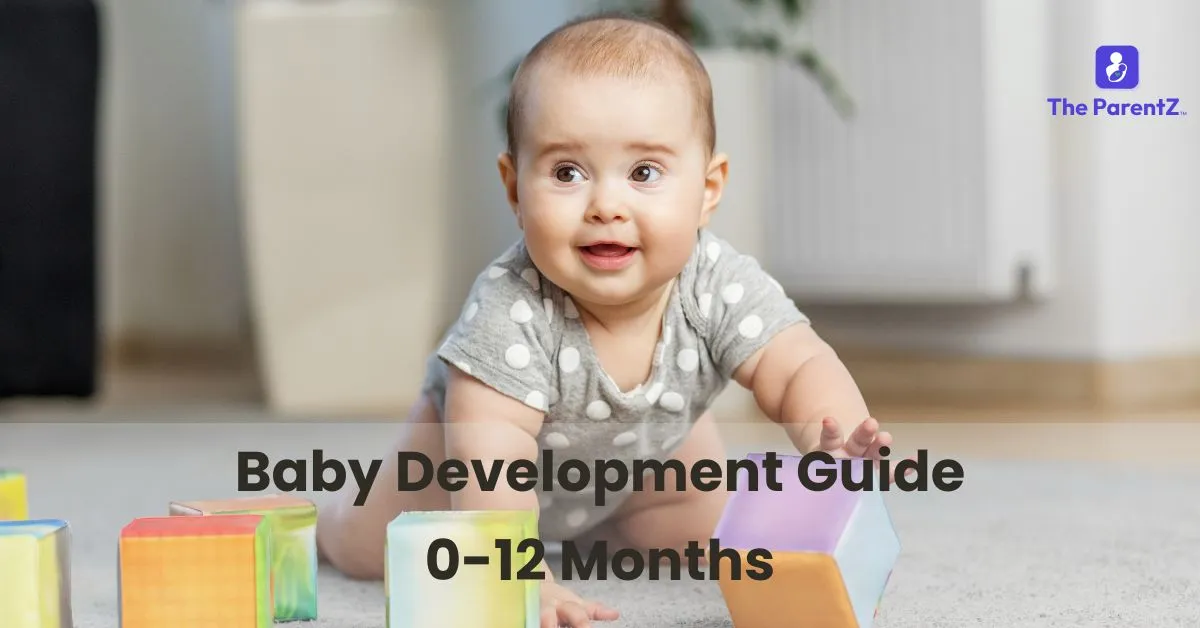
No matter how experienced you are in raising a baby, or how prepared you feel about caring for them, tracking your little one’s first twelve months is vital. Every day brings new changes, from tiny movements to first smiles, and it can be hard to know what’s normal and what’s special.
Not only does tracking help you celebrate each milestone, but it also helps you notice any early signs if your baby needs extra support. Following their progress each month lets you notice patterns in growth, sleep, feeding, and social skills. This makes it easier to plan activities that encourage learning and fun.
Early childhood development covers rapid physical, social, and cognitive growth from birth through the first years of life, making the first twelve months particularly important for observation and support.
While you can use a baby developmental milestones tracker app, you would still need to observe and interact with your child closely. By keeping track of your baby’s milestones and growth, you can enjoy the journey and support their development every step of the way.
Tracking your baby’s first twelve months helps you see how they grow, learn, and develop new skills over time. Each month brings small but important changes that build on what came before. By paying attention to these milestones, you can understand your baby’s progress and notice patterns in movement, communication, and social interactions.
Some months focus on physical abilities, like lifting the head, rolling over, or sitting up. Other months highlight communication, with cooing, babbling, and first simple words. Social and emotional skills also appear as babies smile, laugh, and respond to familiar faces. Fine motor skills develop too, from grasping toys to picking up small objects and exploring their surroundings.
The table below shows key milestones from birth to 12 months to help you track your baby’s development effectively.
Month | Key Physical & Motor Skills | Key Social, Emotional & Communication Skills |
|---|---|---|
0–1 | Lifts head slightly when on tummy, strong reflexes (grasp, sucking, startle) | Responds to voices and faces, makes brief eye contact |
2 | Holds head up for short periods, begins smoother arm and leg movements | Smiles at people, coos, recognizes caregivers’ voices |
3 | Pushes up on arms during tummy time, opens and shuts hands | Laughs out loud, enjoys social play, follows objects with eyes |
4 | May roll from tummy to back, reaches for toys | Imitates some sounds, shows excitement, enjoys interaction |
5 | Sits with support, improves hand-eye coordination | Shows curiosity, responds to own name, expresses pleasure as well as discomfort clearly |
6 | Sits without support, begins to transfer objects between hands | Babbles with consonant sounds, recognizes familiar people, shows interest in surroundings |
7 | Begins crawling or scooting, improved balance | Plays peek-a-boo, imitates gestures, responds to emotions |
8 | Pulls to stand, cruises along furniture | Understands simple words, shows stranger anxiety, enjoys interactive games |
9 | Crawls well, picks up small objects with thumb and finger (pincer grip) | Points to objects, waves or claps, responds to simple instructions |
10 | Cruises more confidently, may start standing alone briefly | Says simple words like “mama” or “dada,” uses gestures to communicate |
11 | Stands alone, may attempt first steps | Copies sounds as well as actions, enjoys interactive play, shows preferences |
12 | May take first steps, improved coordination | Uses simple words meaningfully, expresses a range of emotions, and shows attachment to caregivers |
Keeping track of a baby’s progress in the first twelve months can not only help you understand their growth but also guide you in supporting their learning at each stage. Besides, you don't need anything fancy to keep records.
With just a notepad or a mobile app, you can note new skills, changes in behavior and emerging abilities. Regular, simple observations over time give a clear picture of progress, helping you celebrate milestones and provide gentle support when needed.
Tracking in this way makes it easier to stay aware of your baby’s unique pace without feeling overwhelmed.
Here are five practical ways to track your baby’s development effectively.
When it comes to tracking your baby’s growth, using a mobile app can make tracking simpler and more organized. Not only do apps help you record milestones quickly, but they also provide a visual overview of progress over time.
Record Milestones Instantly: Mobile apps allow you to log each achievement as it happens, from first words to rolling over, ensuring no milestone is forgotten.
Track Patterns and Trends: Apps make it easy to review growth, sleep, feeding, and developmental skills over time, helping you notice trends and changes in your baby’s routine.
Set Reminders and Alerts: With the help of mobile apps, parents can receive notifications for important activities like feeding, sleep or checkups, making it easier to stay consistent and track developmental progress effectively.
Using a mobile app provides a convenient, centralized way to monitor your baby’s development, making it easier to stay consistent, celebrate milestones, and understand overall growth patterns.
A journal or notebook offers a hands-on way to keep track of your baby’s growth and milestones. It allows parents to capture moments as they happen, reflect on progress, and create a personal keepsake of the first year.
Daily Observations – Note small changes and achievements as they happen.
Milestones reached that day
New behaviors or reactions
Sleeping or feeding patterns
Monthly Summaries – Summarize progress at the end of each month.
Highlight key physical skills
Record communication developments
Capture social or emotional growth
Creative Documentation – Include drawings, stickers or short anecdotes.
Record the first words or steps
Note funny or memorable moments
Add small sketches or doodles for memory
By keeping a journal or notebook, parents can create a lasting record of their little one's first year while staying aware of growth patterns and developmental progress.
If you want a simple and visual way to track your baby’s development, photos and videos can be very effective. This method fits easily into daily life and helps record growth as it naturally happens.
Capture key milestones: Photos and videos allow parents to record moments such as first smiles, rolling over, sitting up, or early attempts at walking. These recordings help show when new skills appear and how they improve over time.
Observe growth over time: With the help of photos and videos, parents can easily compare earlier and recent moments to see changes in movement, coordination, and responses over time.
Share progress with family: Photos and videos make it easy to show a baby’s development to relatives who may not see them often, helping everyone stay connected to important moments and changes.
Photo and video records allow parents to follow their baby’s development in a natural way while preserving meaningful memories from the early months.
Regular health checkups provide a reliable way to follow a baby’s development during the first twelve months. These checkups allow trained professionals to assess the baby’s physical growth, movement, hearing, vision, and early responses. Measurements and observations are recorded over time, creating a clear picture of progress. Checkups also offer a chance to discuss daily habits such as feeding and sleep.
Having consistent records from these visits helps parents stay aware of how their baby is developing and feel more confident about their overall growth.
With spreadsheets or digital documents, you can track a baby’s development during the first twelve months in a flexible and organized way.
They allow parents to record dates, ages, and observations in an organized format that is easy to update.
Digital documents and spreadsheets can be reviewed, edited, or expanded over time, making it easier to follow changes from month to month.
Using spreadsheets or other digital files helps keep all development notes in one place and makes progress easier to compare.
These tools support consistent tracking while giving parents control over how much detail they choose to record.
Tracking a baby’s development during the first twelve months helps parents stay attentive to growth, changes, and daily progress. Besides, regular observation makes it easier to understand how skills form and shift over time. By using the above-mentioned methods, parents can stay organized, feel more confident, and support their baby’s development throughout the first year.
Are you looking for a baby developmental milestones tracker app to track your baby’s growth during the first twelve months? The ParentZ app helps parents record milestones, note growth updates, and follow development from birth, all in one easy-to-use place.
How much do babies develop each month?
Babies grow and change rapidly in their first year. Each month brings new physical skills, communication, and social abilities. Since the development of each baby is different, observing progress month by month helps identify patterns as well as support overall growth.
Can all babies reach milestones at the same age?
No two babies develop exactly alike. Some may crawl or talk earlier, while others take longer. Development follows different timelines for each baby, and these differences are a normal part of early growth.
Do milestone tracker apps help?
Yes, milestone tracker apps make it easier to record growth, skills and patterns. They provide a quick reference, reminders, and visuals, but close observation and interaction remain essential for understanding each baby’s unique pace.
Do premature babies follow the same milestones?
Development for premature babies often follows a different timeline, with corrected age offering a more accurate way to track progress.
TheParentZ offers expert parenting tips & advice, along with tools for for tracking baby and child growth and development. Know more about Baby Growth and Development Tracker App.It serves as an online community for parents, providing valuable information on baby names, health, nutrition, activities, product reviews, childcare, child development and more
Disclaimer:
The views, thoughts, and opinions expressed in this article/blog are solely those of the author and do not necessarily reflect the views of The ParentZ. Any omissions, errors, or inaccuracies are the responsibility of the author. The ParentZ assumes no liability or responsibility for any content presented. Always consult a qualified professional for specific advice related to parenting, health, or child development.
Conversations (Comments) are opinions of our readers and are subject to our Community Guidelines.



Be the first one to comment on this story.