
Most Moms Report Slower Recovery After a Second Birth
Jul 19, 2026By Dr. Akanksha Priya
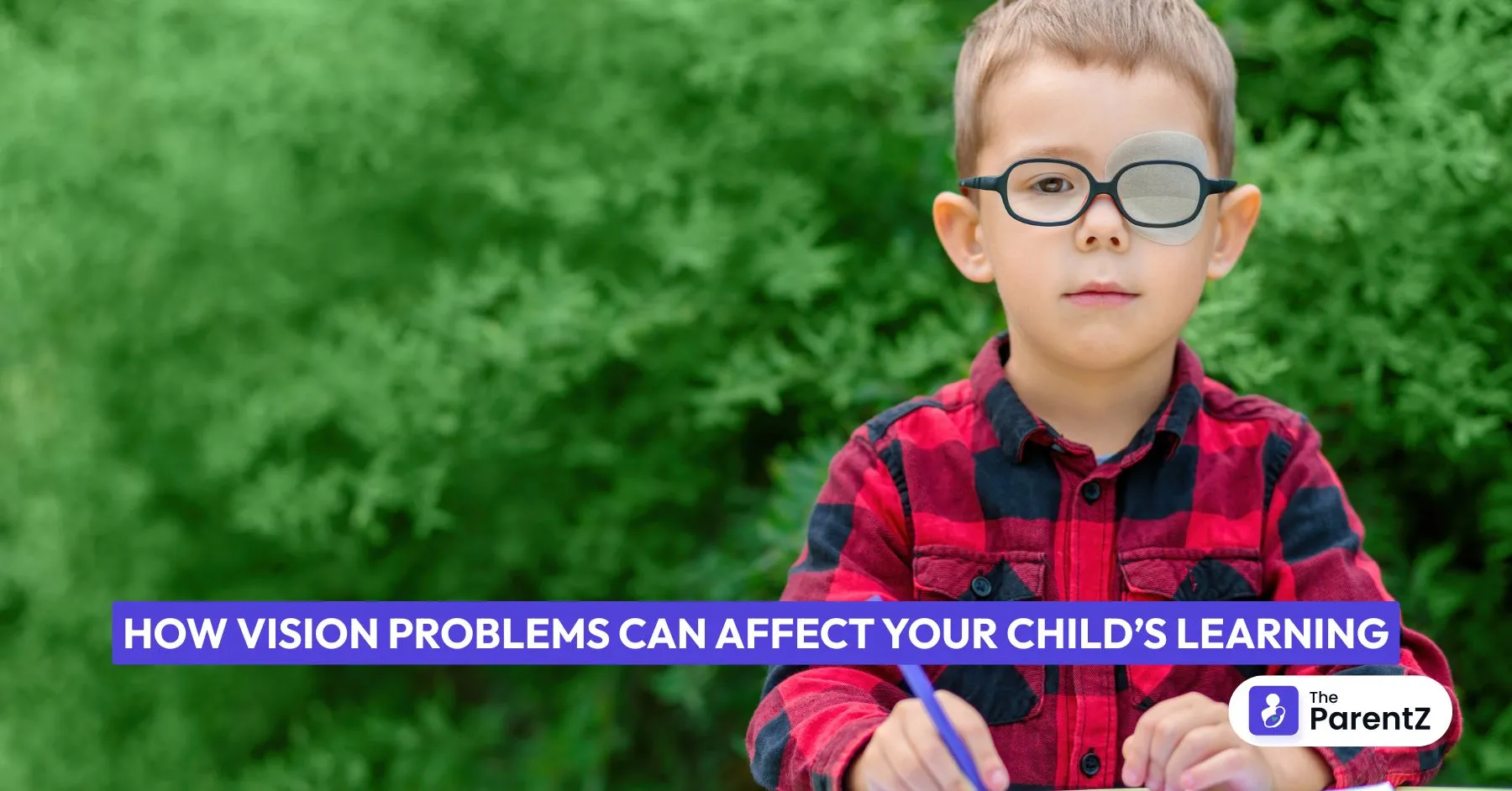
When a child struggles in school, it is easy to think that the problem might be a lack of motivation, attention, or even a learning disorder. But what if the real issue is something as simple and as important as their vision? Vision problems are one of the most common, yet overlooked, reasons children fall behind in learning.
Vision is at the heart of almost every learning experience. About 80 percent of what children learn in school is visual, whether it is reading textbooks, copying from the board, or following classroom activities. If a child cannot see clearly or if their eyes do not work well together, they may struggle with reading comprehension, lose their place, skip lines, develop poor handwriting, or become frustrated with writing tasks. These struggles can make school feel overwhelming and can cause a child to fall behind, even when they are trying their best.
Good learning depends on a range of visual skills, not just 20/20 eyesight. Vision problems can affect:
For example, reading requires smooth eye movements across a page and recognizing letters and words. Spelling relies on the ability to scan words letter by letter and see them clearly. Fine visual motor skills and perception help children write neatly, while visual memory and convergence help with comprehension and comfortable reading for longer periods.
Learning is not just about books. Vision plays a huge role in physical activities, too. Children with undiagnosed vision problems may avoid sports or playground games because they struggle to see the ball, judge distances, or keep up with their peers. This can lead to:
Vision problems do not just affect grades. They can impact how a child feels about themselves and their place in the world. Kids who cannot see well may withdraw from group activities, avoid eye contact, or struggle to make friends. They may feel frustrated, anxious, or embarrassed if they cannot keep up in class or on the playground, which can lead to low self-esteem and affect their emotional well-being.
Clear vision is important for daily tasks that build independence, such as navigating hallways and playgrounds safely, following instructions on signs or screens, and participating in art, music, and hands-on activities. Children with vision problems may struggle with these everyday skills, which can limit their confidence and independence.
The eyes are an extension of the brain. More than half of your brain is involved in processing visual information. When vision is compromised, it can slow down a child’s ability to process, understand, and remember new information. This can affect language development, problem-solving, critical thinking, and memory.
Vision issues are not always obvious. Many children do not realize their vision could be better, especially if the problem is in just one eye. Watch for:
If you notice any of these, do not just chalk it up to a lack of interest. Get your child’s eyes checked by a pediatric eye doctor.
Many parents assume that school vision screenings will catch any problems. These tests usually only check distance vision, not focusing, tracking, or how well the eyes work together. Subtle but important issues are often missed. That is why a comprehensive annual eye exam with a pediatric optometrist or ophthalmologist is so important, even if your child passed their school screening.
Some of the most common vision problems that can interfere with learning include:
Vision problems are a leading cause of learning difficulties in children, but they are also one of the easiest to fix with the right support. By staying alert to the signs and getting your child’s eyes checked regularly, you can help them overcome obstacles, build confidence, and succeed not just in academics, but in sports, friendships, and everyday life. Healthy vision is the foundation for your child’s success, happiness, and growth inside and outside the classroom.
TheParentZ offers expert parenting tips & advice, along with tools for for tracking baby and child growth and development. Know more about Baby Growth and Development Tracker App.It serves as an online community for parents, providing valuable information on baby names, health, nutrition, activities, product reviews, childcare, child development and more
Disclaimer:
The views, thoughts, and opinions expressed in this article/blog are solely those of the author and do not necessarily reflect the views of The ParentZ. Any omissions, errors, or inaccuracies are the responsibility of the author. The ParentZ assumes no liability or responsibility for any content presented. Always consult a qualified professional for specific advice related to parenting, health, or child development.
Conversations (Comments) are opinions of our readers and are subject to our Community Guidelines.


Be the first one to comment on this story.