
Most Moms Report Slower Recovery After a Second Birth
Jul 19, 2026By Dr. Akanksha Priya
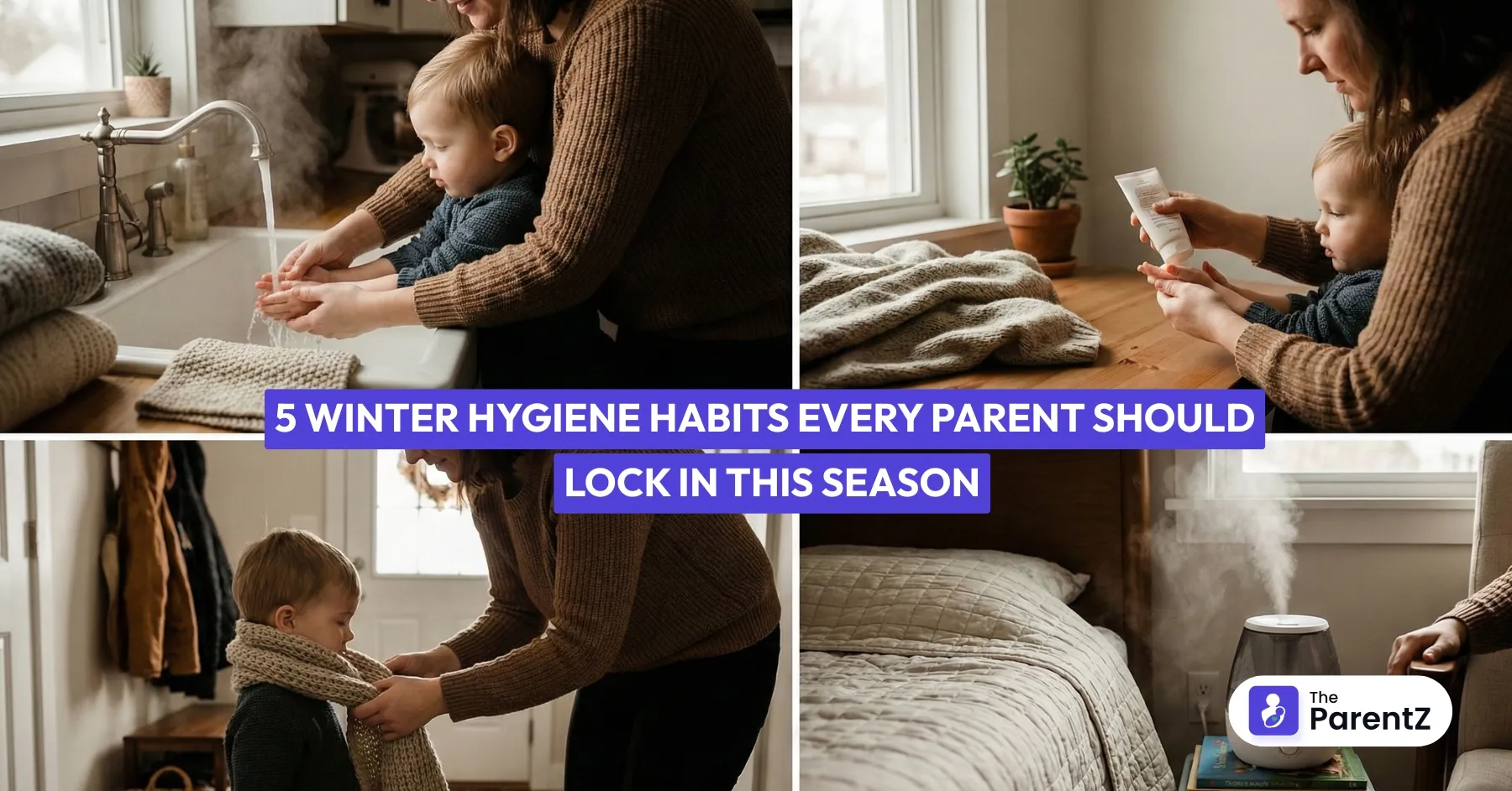
Winter is here, and keeping kids healthy during these months feels like a full-time job. Between school germs, cold weather, and everyone spending more time indoors, this season often tests even the most prepared parent. But before diving into panic mode, there are some simple hygiene habits that can genuinely make a difference.
This isn't about becoming super-parents overnight or adding ten more things to the to-do list. These are practical, doable habits that fit into real life, which includes messy mornings, rushing kids to school, and everything in between.
Everyone knows about handwashing, but most kids don't do it properly. The CDC recommends washing hands with soap and warm water for at least 20 seconds. Not 5 seconds of running water and done. Twenty actual seconds.
Make it stick:
Pro Tip: Kids will forget. They'll rush. Gentle reminders work better than nagging. Sometimes, just asking "Did you sing the whole song?" gets them to go back and do it right.
Dry, cracked skin isn't just uncomfortable; it's actually a health issue. When skin cracks, it creates openings for bacteria and viruses to enter. Children's skin is naturally thinner and loses moisture more easily than adult skin, according to pediatric dermatologists.
Cold outdoor air and dry indoor heating strip moisture from skin constantly during winter. For kids with eczema, this season can be particularly rough, with about 10-20% of children experiencing this condition.
The actual routine that works:
Products like Aquaphor, CeraVe, or Cetaphil work well, but avoid anything with fragrances or colors that can irritate sensitive skin. And no, expensive doesn't always mean better.
Bath time tips:
Kids coughing into their hands and then touching everything is how entire classrooms get sick within a week. Teaching them to cough or sneeze into their elbow creates a barrier that actually helps.
Why does it matter? When someone with the flu coughs or sneezes, tiny droplets can travel through the air and land on surfaces or be breathed in by others. This is how most respiratory viruses spread. Using the elbow keeps hands cleaner and reduces transmission.
How to make it automatic:
Pro Tip: Keep tissues everywhere; in their backpacks, pockets, car, and around the house. Used tissues go straight into the trash, no exceptions.
Kids are taught to share, which is wonderful, except during peak virus season. Sharing water bottles, food, utensils, or Chapstick during winter is basically sharing germs directly.
The talk to have: Explain that sharing is still good, but sharing drinks or food during winter can make everyone sick. It's not mean; it's caring for each other's health. Most kids understand this better than we think.
Practical solutions:
This one's tough because it goes against what we usually teach, but it genuinely reduces illness spread.
These sound simple because they are, but they're also the ones that slip when life gets busy.
These five habits aren't about perfection. They're about creating a baseline of protection that actually fits into real family life. Some days will be better than others, and that's okay.
Start with one or two habits that feel most doable for your family. Once those become automatic, add another. Small, consistent actions add up to real protection over the whole season.
Winter will still bring sniffles and sick days, as that's just reality. But with these habits in place, there's a good chance they'll be fewer and farther between. And right now, that's a win worth celebrating.
TheParentZ offers expert parenting tips & advice, along with tools for for tracking baby and child growth and development. Know more about Baby Growth and Development Tracker App.It serves as an online community for parents, providing valuable information on baby names, health, nutrition, activities, product reviews, childcare, child development and more
Disclaimer:
The views, thoughts, and opinions expressed in this article/blog are solely those of the author and do not necessarily reflect the views of The ParentZ. Any omissions, errors, or inaccuracies are the responsibility of the author. The ParentZ assumes no liability or responsibility for any content presented. Always consult a qualified professional for specific advice related to parenting, health, or child development.
Conversations (Comments) are opinions of our readers and are subject to our Community Guidelines.

Be the first one to comment on this story.