
Most Moms Report Slower Recovery After a Second Birth
Jul 19, 2026By Dr. Akanksha Priya
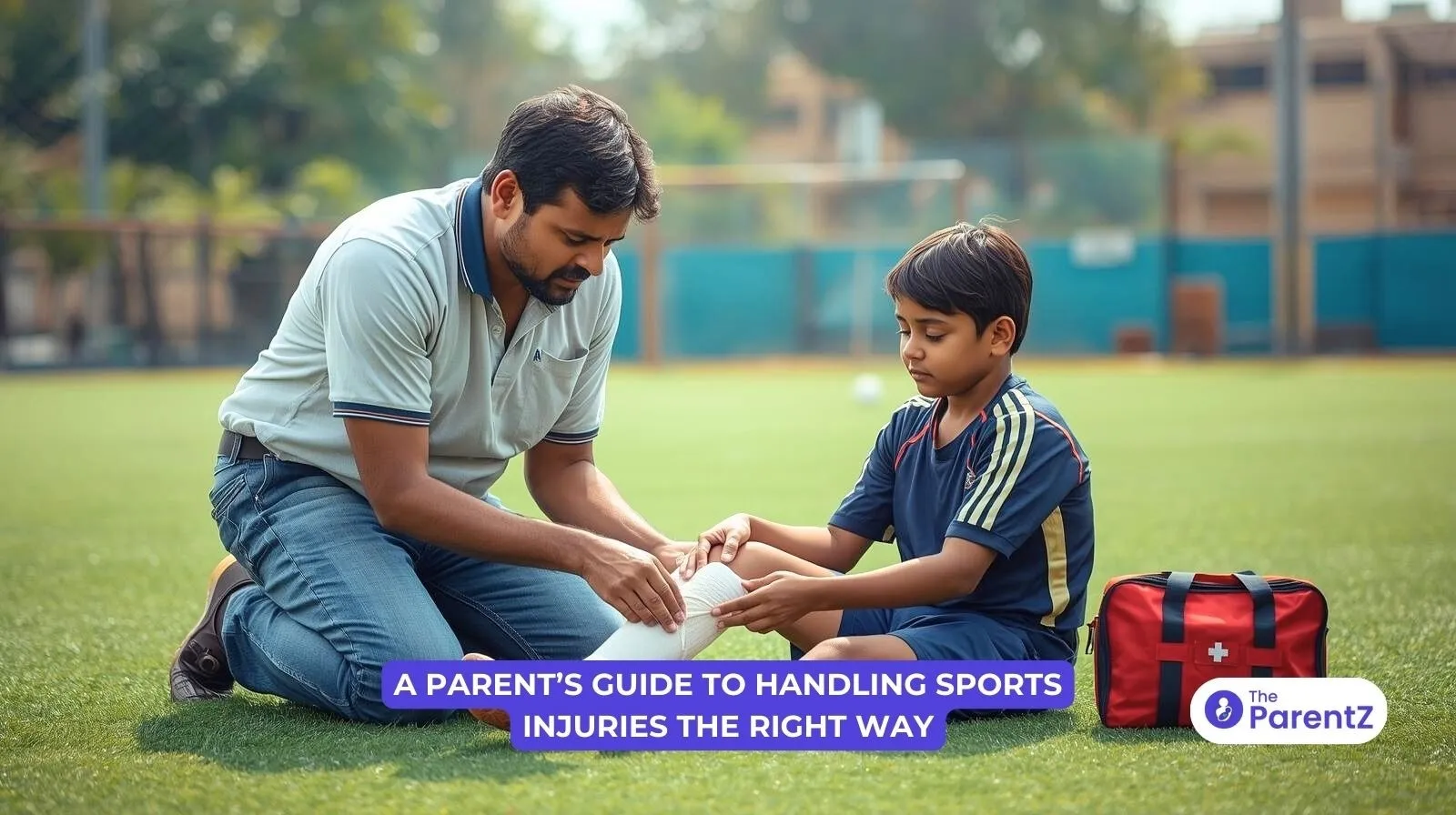
One day, your child is running across the field. The next day, they are on the couch with an ice pack.
If your child plays sports, this moment may come. A twisted ankle. A sore knee. A fall during practice. And suddenly, your confident, active child feels upset, restless, and worried.
As parents, we panic too. We think, “Did I miss a sign?” “Should I have stopped them?” But injuries are a normal part of sports. What matters most is how we respond.
So, today we are going to talk about some research-backed, medically proven tips that actually help children recover, both physically and emotionally.
For the most common sports injuries like sprains and mild muscle strains, doctors recommend early care using what’s known as the R.I.C.E. method. Rest, Ice, Compression, and Elevation. This approach has been used for years in sports medicine to control swelling and pain in the first couple of days.
Rest really does mean rest. Not “just don’t run.” It means stopping the activity completely so the tissue can begin repairing itself. Ice helps reduce swelling when used properly. Apply ice for 15–20 minutes at a time, every 2–3 hours during the first day or two. Wrap the ice pack in a cloth. Never place ice directly on skin. You can repeat this every few hours during the first 24 to 48 hours. Compression, like a simple elastic bandage, if your doctor suggests it, can support the area. Elevation helps limit swelling too.
These steps sound basic. They are basic. But they matter.
What parents struggle with most isn’t icing or wrapping. It’s the waiting. When your child says, “It doesn’t hurt that much now,” it’s tempting to believe them. Especially if there’s an important game coming up.
But research shows that returning to sports too early increases the risk of re-injury. And repeat injuries are more likely to turn into long-term problems. A slightly longer recovery now can prevent months of trouble later.
Follow the timeline your doctor gives you. If physical therapy is advised, stick with it. I know schedules are tight. School, work, traffic, dinner. Still, proper healing now saves stress later.
This part catches many parents off guard.
Your child may not just be in physical pain. They might feel left out. Angry. Embarrassed. Even scared that they won’t be “as good” when they return.
Studies in pediatric sports psychology show that injured young athletes often struggle emotionally during recovery. And sometimes that emotional dip lasts longer than the swelling.
You might notice small changes. Maybe they’re quieter. Maybe they snap at siblings. Maybe they refuse to go watch practice.
Try not to brush it off with “You’ll be fine.” Even if you mean well.
Instead, keep it simple. Say, “I know this is hard.” Or, “It makes sense you’re upset.” Those words sound small, but validation reduces stress. And lower stress actually supports physical healing too.
If possible, help them stay connected to their team. Let them attend games. Sit on the bench. Cheer. Even helping the coach with small tasks keeps them feeling included. Research shows that staying socially connected during recovery reduces anxiety and improves motivation.
They don’t just need their ankle to heal. They need their identity to feel safe too.
When the doctor or physiotherapist gives exercises, it may seem simple. Slow leg lifts. Balance drills. Gentle stretches. Nothing dramatic.
But structured rehabilitation is one of the strongest protective factors against re-injury. That’s not opinion. That’s well-established in sports medicine research.
The hard part is consistency.
Children get bored. Parents get busy. Days get full.
So instead of treating rehab like an extra task, attach it to something already fixed in your day. After homework. Before dinner. Right before bedtime. Keep it predictable.
In the beginning, watch them do the exercises. Kids often rush through movements just to finish. Slow, controlled motion is what rebuilds strength safely. Form matters more than speed.
And resist the urge to add your own “extra” exercises because you found something online. More is not better during recovery. Too much strain can delay healing.
Stick to the plan and trust the process.
There are times when an injury needs urgent medical attention. Severe swelling, visible deformity, numbness, or inability to bear weight should always be checked immediately. When in doubt, get it looked at. Peace of mind is worth it.
But for most mild sports injuries, recovery is steady and safe when handled properly.
Sometimes we, as parents, are more shaken than our children. We see the long future. Scholarships. Progress. Growth. They just see today’s missed game.
In that moment, what they need most isn’t strategy. It’s calm, patience, and a parent who says, “We’ll take this one step at a time.”
Because they will run again. They will play again. And when they do, they’ll return stronger, not just in muscle, but in resilience.
And that’s a win that lasts much longer than a season.
TheParentZ offers expert parenting tips & advice, along with tools for for tracking baby and child growth and development. Know more about Baby Growth and Development Tracker App.It serves as an online community for parents, providing valuable information on baby names, health, nutrition, activities, product reviews, childcare, child development and more
Disclaimer:
The views, thoughts, and opinions expressed in this article/blog are solely those of the author and do not necessarily reflect the views of The ParentZ. Any omissions, errors, or inaccuracies are the responsibility of the author. The ParentZ assumes no liability or responsibility for any content presented. Always consult a qualified professional for specific advice related to parenting, health, or child development.
Conversations (Comments) are opinions of our readers and are subject to our Community Guidelines.



Be the first one to comment on this story.