
Most Moms Report Slower Recovery After a Second Birth
Jul 19, 2026By Dr. Akanksha Priya
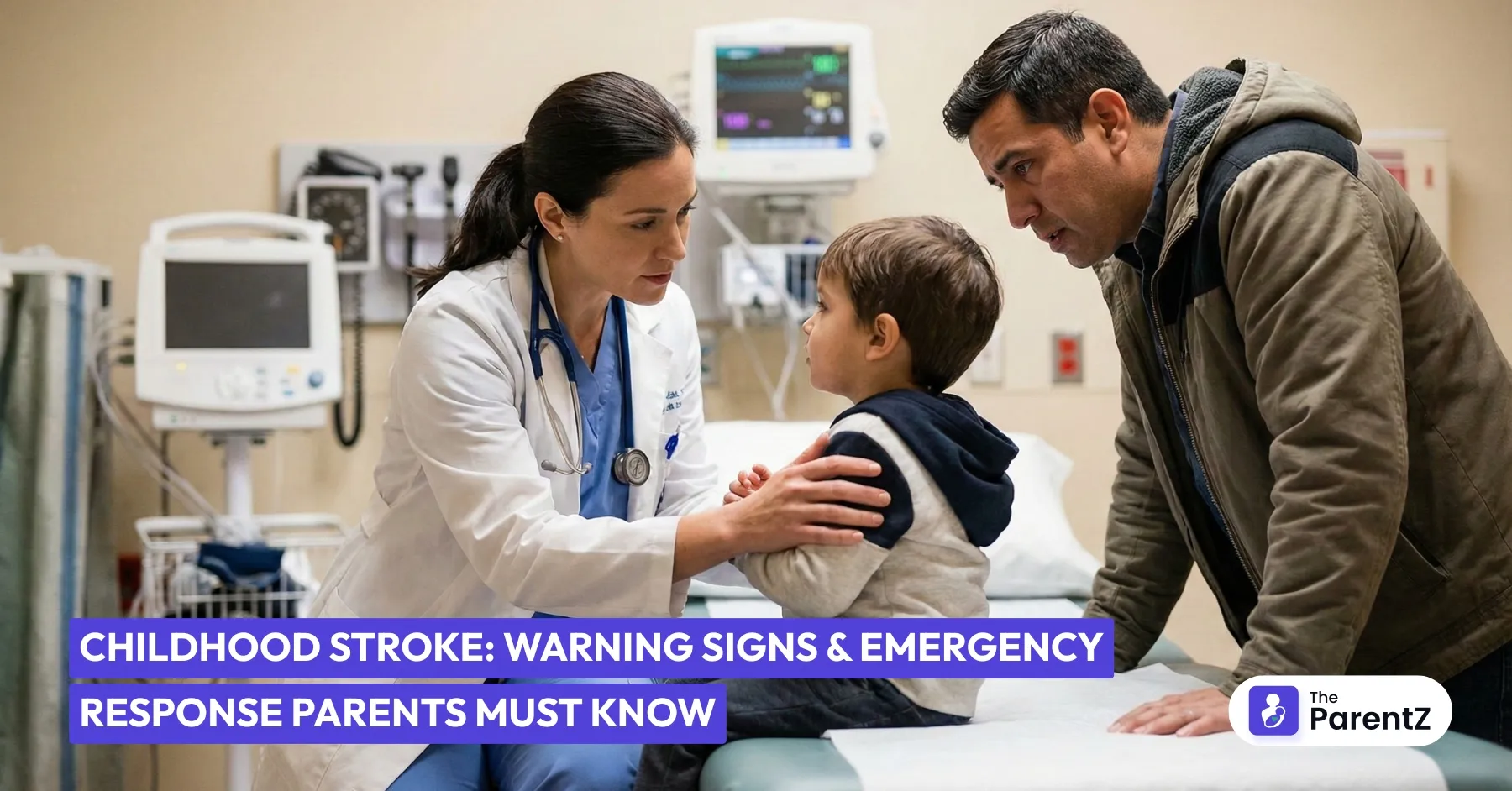
You never think you will hear the word "stroke" used in relation to your child as a parent. After all, strokes happen to older adults. You might be surprised to learn that children of all ages-from babies to teens-can have strokes.
About 8 out of 100,000 children in India experience a stroke each year. Though it is rare, knowing the symptoms and what to do can save your child's life. Recognizing the symptoms of a pediatric stroke in India is the first step toward protecting your child's health and ensuring timely treatment.
A stroke occurs when the blood flow to a part of your brain is either completely stopped or severely reduced. Like all organs, the brain requires a steady supply of oxygen-rich blood to work properly. When this blood flow stops-even for just a few minutes-brain cells begin dying, causing permanent damage.
There are three main types of stroke that can affect children:
Raising awareness about pediatric stroke symptoms is important in India, since early recognition significantly improves the outcome of affected children. Research evidence indicates that whereas 2.6–5% of children who suffer a stroke die, 70% of survivors have some form of permanent neurological sequelae. The children's brains are very plastic and can recover and adapt, particularly if treatment starts quickly.
It is challenging to identify pediatric stroke symptoms in India, as young children, especially, may not be able to express their symptoms. The apparent warning signs should be known to every parent.
Healthcare professionals recommend using the FAST test to identify stroke in children:
However, children may exhibit additional symptoms that differ from those of adults. Watch for these warning signs:
In infants and young children:
In toddlers and older children:
Studies have estimated that 55% of children with stroke present with non-specific symptoms, such as headache and a change in mental status, which makes diagnosis difficult. Trust your parental instinct-if something feels seriously wrong with your child, seek immediate emergency medical help.
Understanding the causes of stroke in childhood helps parents understand their child's risk factors so they can discuss them with their pediatrician. Stroke is rare in children, but some conditions put children at increased risk
It's necessary for Indian parents to be aware that tuberculosis is still a major cause of childhood stroke in India, where children usually exhibit hemiplegia, or sudden weakness on one side of the body. A baby's risk of stroke can also be raised by maternal factors during pregnancy, such as high blood pressure and gestational diabetes.
Research has pinpointed key warning signs that strongly suggest stroke in children:
According to medical experts, "Acute onset of focal neurologic deficit in a child is stroke until proven otherwise". And when in doubt, always seek emergency care.
While not all strokes are preventable, parents can take steps to reduce risk:
For children with known risk factors, regular medical monitoring, particularly for cardiac abnormalities and sickle cell disease, is required. Keep the children well hydrated, especially in hot weather conditions. Undertake prompt treatment of infections, along with age-appropriate immunizations. Safety equipment, including helmets and car seats, should be used to avoid head injuries.
Fortunately, the brain of a child is very flexible and capable of fast restoration. Early intervention, rehabilitation therapies, and family support result in remarkable recoveries for most children. The ParentZ app can help you track your child's developmental milestones, therapy appointments, and medication schedules during the recovery journey.
Although stroke in children is rare, every parent should be aware of the warning signs. Whether you notice sudden facial drooping, arm weakness, difficulty with speech, or any other symptoms that don't feel right, act fast-just call emergency services immediately. Your quick action can save your child's life and reduce long-term disability. Trust your instincts, learn the FAST signs, and remember that spotting the symptoms of pediatric stroke in India prepares you for swift action at just the right time.
Ready to track your child's health milestones? Download The ParentZ app for health tracking, vaccination reminders, and expert pediatric guidance. Or visit www.theparentz.com for comprehensive child health resources and parenting tools trusted by families across India.
References:
TheParentZ offers expert parenting tips & advice, along with tools for for tracking baby and child growth and development. Know more about Baby Growth and Development Tracker App.It serves as an online community for parents, providing valuable information on baby names, health, nutrition, activities, product reviews, childcare, child development and more
Dr. Shreya Karan is a dedicated oral and maxillofacial surgeon who brings over ten years of experience to her practice, combining surgical expertise with genuine care for her patients.
Disclaimer:
The views, thoughts, and opinions expressed in this article/blog are solely those of the author and do not necessarily reflect the views of The ParentZ. Any omissions, errors, or inaccuracies are the responsibility of the author. The ParentZ assumes no liability or responsibility for any content presented. Always consult a qualified professional for specific advice related to parenting, health, or child development.
Conversations (Comments) are opinions of our readers and are subject to our Community Guidelines.


Be the first one to comment on this story.