Most Moms Report Slower Recovery After a Second Birth
Jul 19, 2026By Dr. Akanksha Priya
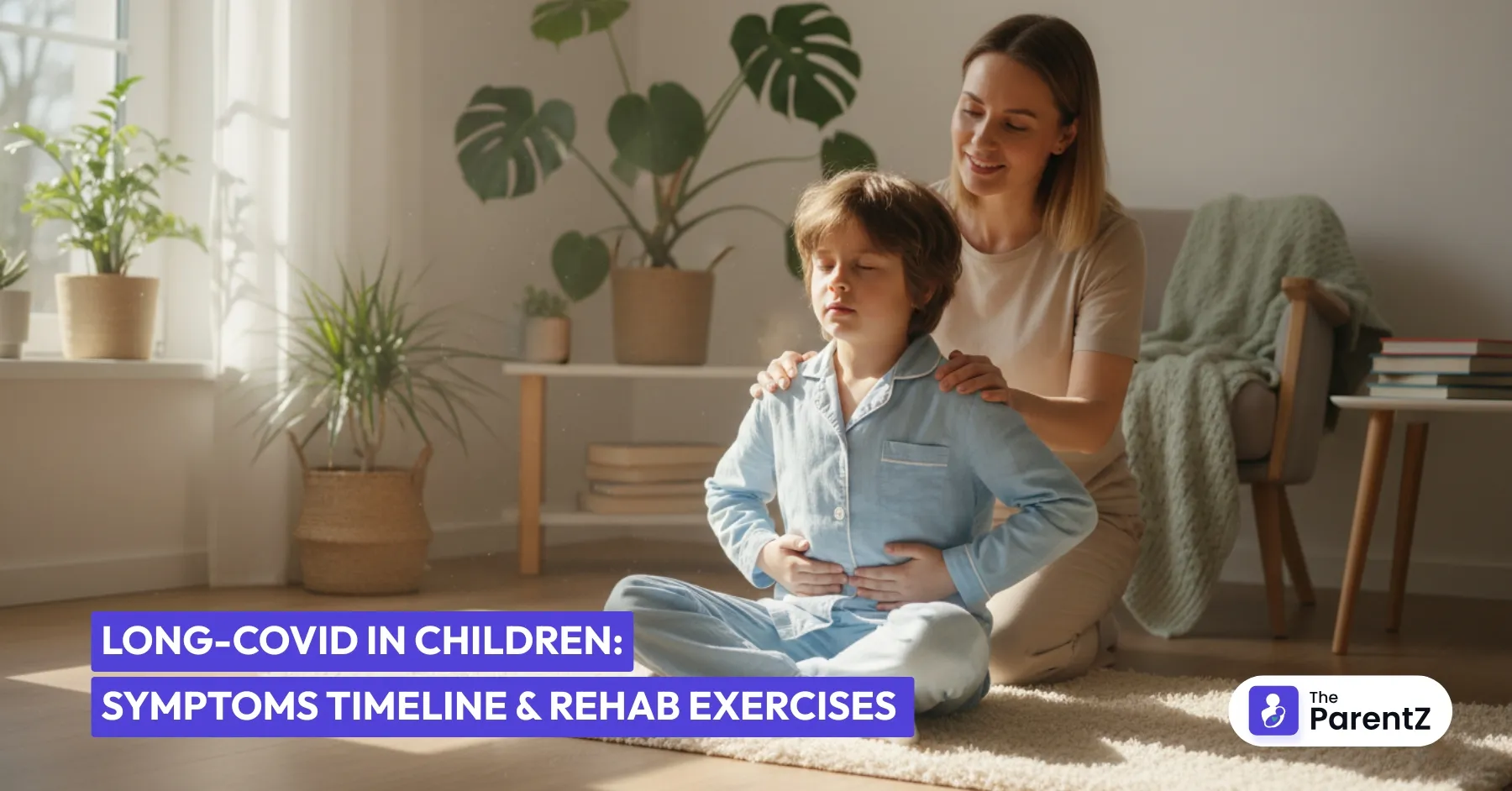
Children generally recover faster from COVID-19 than adults, but some experience lingering symptoms that last for weeks or even months. This extended illness, known as long COVID in kids in India, is also referred to as Post-Acute Sequelae of SARS-CoV-2 infection (PASC).
While the term may sound alarming, most children gradually recover with time and the right care. Awareness and timely rehabilitation can make the recovery smoother for both the child and family. This blog explains what long COVID is in children, its symptoms, and how to manage it.
Research from around the world suggests that a notable number of children develop symptoms that last beyond the initial infection. The percentage varies depending on age, COVID variant, and symptom severity.
Common symptoms include fatigue, shortness of breath, headaches, mood changes, sleep disturbances, and trouble concentrating. Many of these symptoms improve within 3 to 6 months, though some children continue to experience mild effects for longer periods.
Long COVID appears to be more common among:
The good news is that recovery rates are high, and most children improve with supportive care, physical rehabilitation, and attention to mental well-being.
Long COVID symptoms in children may appear weeks after the initial infection. They can vary in intensity and duration. Here’s an overview of how symptoms generally progress and when pediatric post-COVID rehab becomes important.
Symptoms: Fever, sore throat, cough, body pain, and loss of smell or taste.
These are the usual symptoms seen during the infection. Many children have mild or no symptoms at this stage.
Symptoms: Tiredness, lingering cough, mild breathing issues, or headaches.
Most children start feeling better, but some continue to feel fatigued or weak even after testing negative.
Symptoms:
These symptoms may interfere with school, play, or daily routines. Proper rest, breathing exercises, and gentle movement help prevent further deconditioning.
Some children continue to experience respiratory, neurological, or emotional symptoms for several months. The frequency and intensity of symptoms usually decrease over time. In rare cases, symptoms may persist for over a year but tend to lessen with continued rehabilitation.
It’s important to distinguish long COVID from conditions like MIS-C, which require immediate medical attention.
Research has found that certain factors increase the likelihood of long COVID:
These factors help doctors predict which children may need closer monitoring and extended support.
Pediatric post-COVID rehab focuses on helping children regain physical strength, mental clarity, and emotional balance after COVID-19. It combines physical exercises, breathing techniques, cognitive support, and the gradual reintroduction of activity.
The goal is not just to eliminate symptoms but to rebuild confidence and overall well-being.
Here are a few guiding principles:
The following exercises can support gradual recovery. They are adapted for different phases of rehabilitation during long COVID in kids in India.
Goals: Maintain flexibility, reduce anxiety, and support breathing.
Activities:
Goals: Rebuild endurance and prevent muscle loss.
Activities:
Goals: Improve muscle strength, coordination, and cognitive function.
Activities:
Goals: Resume normal activities, prevent relapse, and rebuild confidence.
Activities:
Recovery from long COVID in kids in India goes beyond physical exercises. Holistic care involves:
Immediate consultation with a pediatrician or rehabilitation specialist is necessary if:
Early guidance ensures timely intervention and prevents complications.
Recovering from long COVID in kids India can take time, but most children return to full health with consistent care and rehabilitation. Progress may be gradual, but every small step counts.
A structured pediatric post-COVID rehab program combined with good nutrition, rest, and emotional support can make recovery smoother. Patience and steady monitoring are essential. Families are encouraged to stay informed and work closely with healthcare professionals to tailor the rehabilitation plan to each child’s specific needs.
For additional insights, visit TheParentZ.com for detailed information on childhood illnesses and a wide range of resources on parenting, family health, and child development. You can also download TheParentZ App, a user-friendly tool that makes it easier to track your child's health and provides ongoing support for your parenting experience. With awareness, support, and persistence, children can recover their energy, confidence, and happiness in everyday life.
References:
TheParentZ offers expert parenting tips & advice, along with tools for for tracking baby and child growth and development. Know more about Baby Growth and Development Tracker App.It serves as an online community for parents, providing valuable information on baby names, health, nutrition, activities, product reviews, childcare, child development and more
Dr. Shreya Karan is a dedicated oral and maxillofacial surgeon who brings over ten years of experience to her practice, combining surgical expertise with genuine care for her patients.
Disclaimer:
The views, thoughts, and opinions expressed in this article/blog are solely those of the author and do not necessarily reflect the views of The ParentZ. Any omissions, errors, or inaccuracies are the responsibility of the author. The ParentZ assumes no liability or responsibility for any content presented. Always consult a qualified professional for specific advice related to parenting, health, or child development.
Conversations (Comments) are opinions of our readers and are subject to our Community Guidelines.

Be the first one to comment on this story.