Most Moms Report Slower Recovery After a Second Birth
Jul 19, 2026By Dr. Akanksha Priya
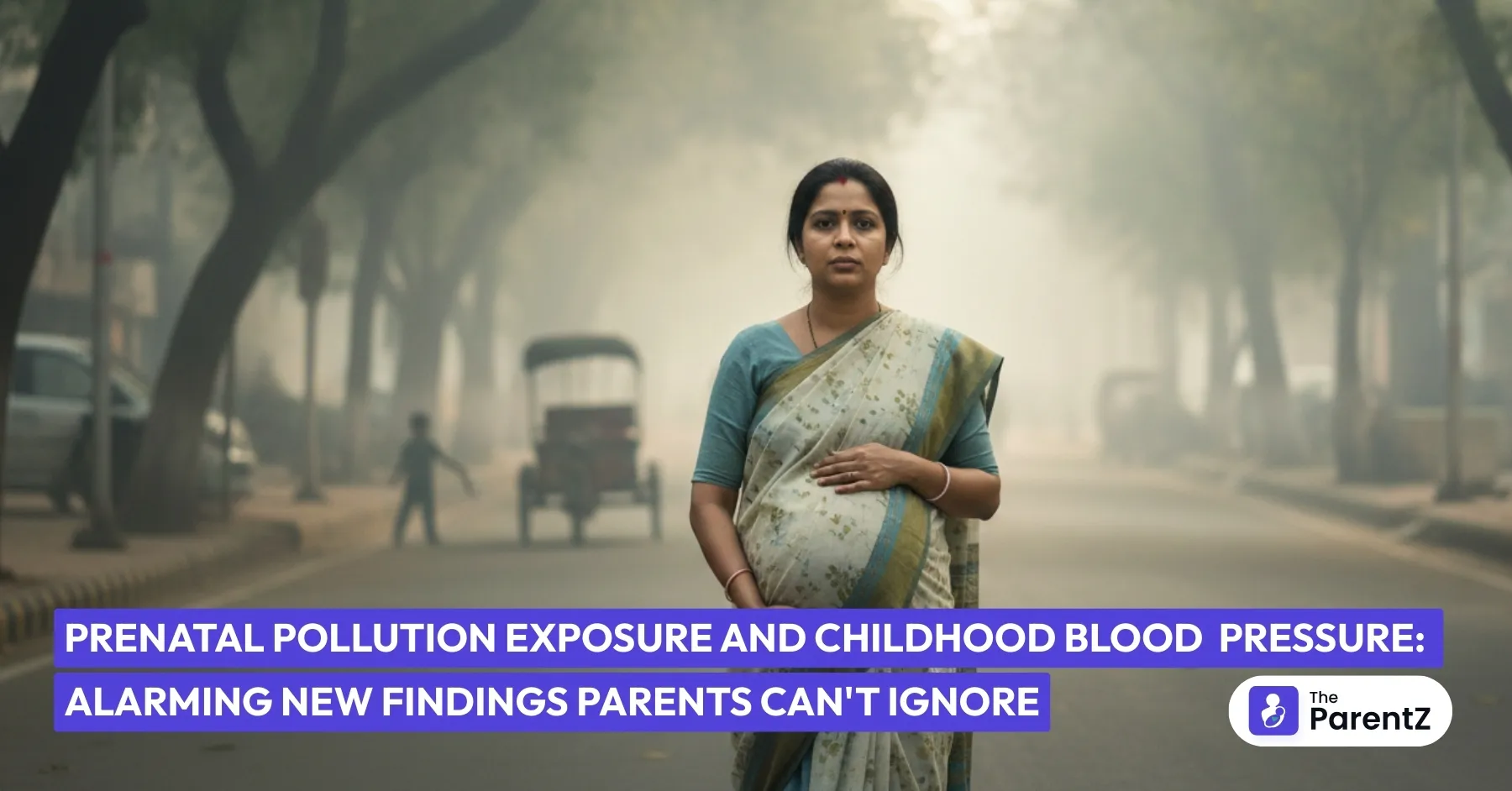
A new study involving nearly 5,000 children across 20 U.S. pregnancy cohorts has revealed a concerning link between air pollution exposure during pregnancy and elevated blood pressure in children aged 5-12. For Indian parents, these findings carry particular weight because the pollution levels studied were far lower than what families across India face daily.
The study tracked children whose mothers were exposed to fine particulate matter (PM2.5) during pregnancy. The results showed that exposure to just 5 µg/m³ more PM2.5 during the first trimester was associated with:
The exposure levels in the study averaged 7.6-7.9 µg/m³, relatively low by global standards. However, India's average PM2.5 levels in 2024 stood at 50.6 µg/m³, more than six times higher. Delhi's air quality frequently reaches hazardous levels, with PM2.5 readings of 400+ µg/m³ during peak pollution periods.
The gap between study exposure levels and Indian reality cannot be overstated. When research shows health impacts at 8 µg/m³, and families are living with 50-400 µg/m³, the potential effects scale accordingly.
The first trimester emerged as a particularly critical window. During these early weeks, often before pregnancy is confirmed, the cardiovascular system begins developing. PM2.5 particles are small enough to cross the placental barrier, potentially affecting fetal development at this crucial stage.
Post-birth exposure also showed associations. Children exposed to higher PM2.5 levels during the ages 0-2 years demonstrated elevated blood pressure percentiles, with an increased risk of high blood pressure.
High blood pressure in childhood doesn't stay in childhood. Research consistently shows that elevated blood pressure tracks from childhood into adulthood. Children with higher blood pressure at age 7 face increased risks of:
The cardiovascular system is particularly vulnerable during pregnancy and early childhood, which are periods of rapid development. Pollution-induced inflammation, oxidative stress, and changes at the cellular level can set the stage for lifelong health challenges.
Beyond outdoor air pollution, Indian families face compounding exposures:
Complete pollution avoidance isn't possible for most Indian families. Relocation to cleaner areas isn't feasible. Instead, focus on what's controllable:
This research adds to growing evidence that air pollution affects children's long-term health in measurable, significant ways. Blood pressure is one indicator; respiratory health, cognitive development, and immune function all show pollution impacts.
For parents, this knowledge creates both challenges and opportunities. The challenges are real, including high pollution levels, limited individual control over outdoor air quality, and resource constraints. The opportunities lie in informed decision-making, protective measures within reach, and growing awareness that drives both personal action and policy change.
Sharing this information with pregnant women, new parents, and extended families multiplies the impact. When more families understand the connection between pollution exposure and children's cardiovascular health, more families can take protective steps.
The air quality crisis in India requires systemic solutions, including policy changes, industrial regulation, transportation infrastructure improvements, and enforcement of existing environmental standards. Those changes take time. Meanwhile, children are being born and growing up. Protecting them with available tools, like air purifiers, masks, informed timing of activities, and nutrition, provides real benefit now.
TheParentZ offers expert parenting tips & advice, along with tools for for tracking baby and child growth and development. Know more about Baby Growth and Development Tracker App.It serves as an online community for parents, providing valuable information on baby names, health, nutrition, activities, product reviews, childcare, child development and more
Disclaimer:
The views, thoughts, and opinions expressed in this article/blog are solely those of the author and do not necessarily reflect the views of The ParentZ. Any omissions, errors, or inaccuracies are the responsibility of the author. The ParentZ assumes no liability or responsibility for any content presented. Always consult a qualified professional for specific advice related to parenting, health, or child development.
Conversations (Comments) are opinions of our readers and are subject to our Community Guidelines.


Be the first one to comment on this story.