
Most Moms Report Slower Recovery After a Second Birth
Jul 19, 2026By Dr. Akanksha Priya
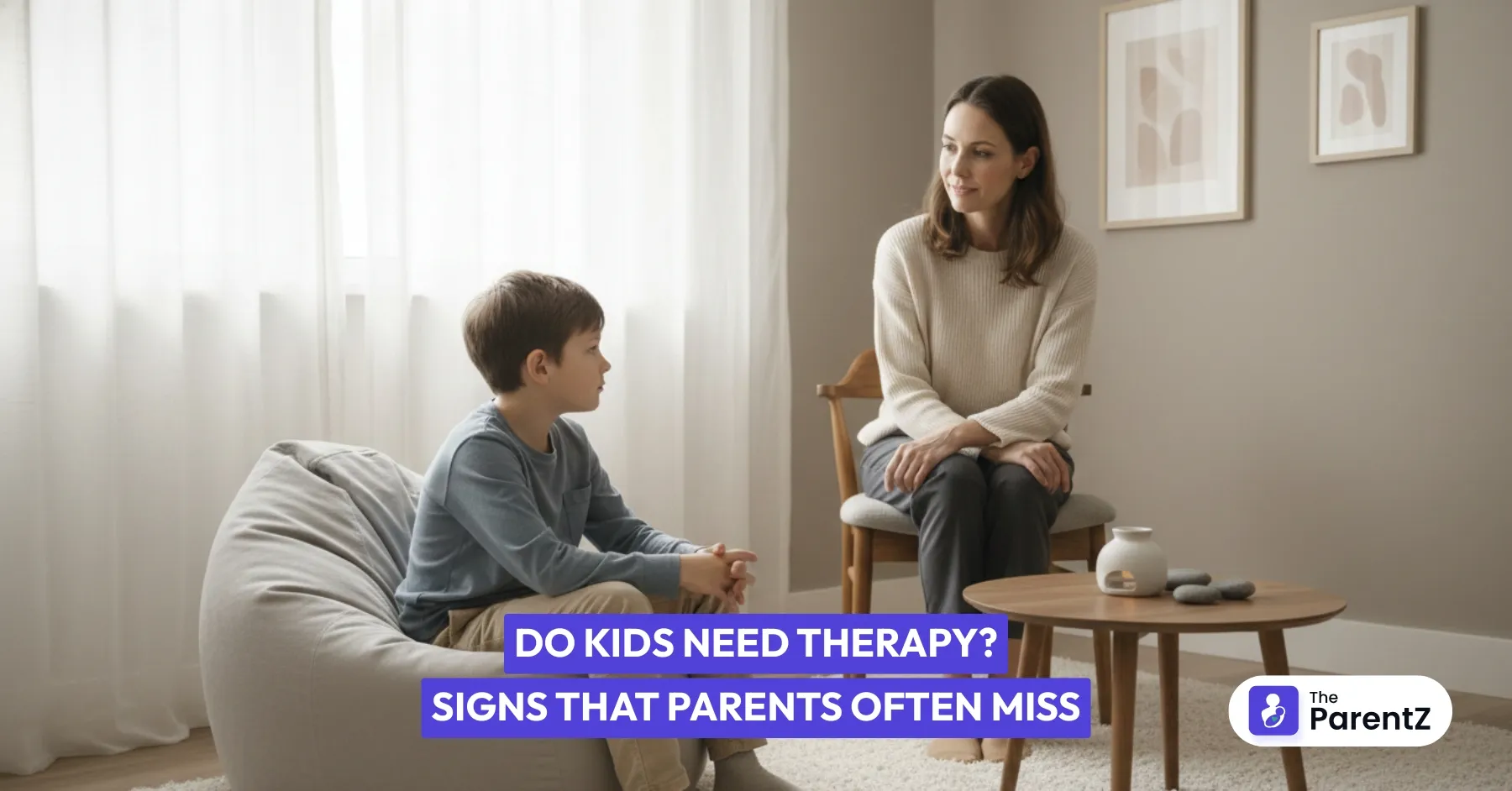
Let's talk about something that keeps many parents awake at night: Is my child okay, or do they need professional help?
Unfortunately, there's no universal formula that tells you yes or no. Your child is unique. Their struggles are unique. And that's what makes this whole parenting thing both beautiful and terrifying.
According to research, the following are some of the signs that your child might benefit from therapy:
We all have bad days, bad weeks even. But when significant changes in sleep, appetite, hygiene, or mood persist beyond two weeks, take notice. Your previously chatty kid has been withdrawn for a month. Your child, who loved soccer, suddenly refuses to go. They're sleeping way more or way less than usual.
Psychologists emphasize that parents should pay attention when behavior is "significantly different from the norm for an extended amount of time."
One bad grade doesn't mean a crisis. But if your child is struggling at home AND school AND with friends AND in extracurricular activities? That's a pattern worth investigating.
Research shows that when children face difficulties across multiple domains of their lives, it often indicates an underlying issue that needs professional attention.
Is your typically calm child suddenly having intense rage episodes? Or are they crying more easily than before? While puberty and growth come with mood swings, excessive worry, prolonged sadness, or disproportionate anger can signal that something deeper is happening.
Research notes that children struggling with anxiety and depression often show these emotional changes before anything else becomes apparent.
Humans are social creatures, kids especially. If your child is actively avoiding friends, refusing social invitations, or isolating themselves in their room, don't just chalk it up to "being a teenager."
Psychologists point out that withdrawal can be a red flag for depression, social anxiety, or past trauma, including bullying.
When your potty-trained child starts having accidents again, or your independent teen suddenly needs constant reassurance, they're communicating distress in the only way they know how.
Mental health experts explain that regression, returning to behaviors from earlier developmental stages, is often a child's response to overwhelming stress or trauma.
Grades dropping? Homework forgotten? Can't focus in class? Before you assume they're just being lazy, consider this: anxiety, depression, ADHD, learning disabilities, and family stress all manifest as academic struggles.
Researchers note that when children are worried about family issues, they're mentally drained and struggle to concentrate on schoolwork.
Frequent stomachaches, headaches, or general body aches that doctors can't explain are often your child's body expressing emotional pain. The mind-body connection is real, and children often experience psychological distress as physical symptoms, a phenomenon psychologists call somatization.
Your extroverted child has become a hermit. Your rule-following kid is suddenly defiant and aggressive. These aren't just phases; they're communication.
This is non-negotiable. If you come across ANY mention of self-harm, death, or "not wanting to be here anymore," it requires immediate professional help. Don't wait and wonder if they're serious. Act on it.
Skipping meals, obsessing over food, exercising compulsively, or dramatic weight changes can all indicate eating disorders, anxiety, or depression. Recent studies highlight that exposure to curated social media content showing "perfect" bodies has led to increased eating disorders among young people, with some developing disordered eating as early as elementary school.
Nightmares, insomnia, sleeping all day, or fear of sleeping alone. When these patterns persist, they often signal anxiety, depression, or unprocessed trauma.
Some worry is normal. Constant worry that interferes with daily life? That's anxiety, and it's treatable.
If you truly want to understand and connect with your child, you need to check your judgment at the door.
If you, as an adult, cannot put aside your viewpoint for even a moment to genuinely understand your child, then you have no right to expect them to understand yours. After all, you're the adult. They're the kid.
Your child isn't "too sensitive." They're not "overreacting." They're not "being dramatic." They're experiencing real pain in a world you only see from the outside.
When they say social media makes them feel bad, believe them. When they say school is overwhelming, trust them. When they say they're struggling, hear them.
Let's bust a myth: seeking therapy for your child doesn't mean they're "broken" or that you've failed as a parent. According to mental health professionals, therapy for children isn't about medication or hospitalization for most kids. It's often just learning better coping skills, processing emotions in a safe space, and getting strategies to handle life's challenges.
For younger children, therapy might look like play therapy, which involves using games and activities to help them express what they can't put into words. For teens, it's typically talk therapy where they learn to recognize negative thought patterns and develop healthier responses.
Child therapists emphasize that therapy creates a safe space for children to process emotions and teaches them coping skills specifically tailored to their age and needs.
Psychologists consistently say the same thing: You know your child best. If something feels off, it probably is. Don't let anyone, including that judgmental relative who says "kids these days are just soft," make you second-guess your instincts. If you've recognized your child in these signs, here are your next steps:
1. Talk to your pediatrician: They can rule out medical causes and provide referrals to mental health professionals.
2. Have an honest conversation with your child: Ask open-ended questions. Listen more than you talk. Don't dismiss their feelings.
3. Research therapists: Look for those who specialize in children and teens. Many offer free consultation calls so you can find the right fit.
4. Work on yourself too: If family conflict, your own mental health, or relationship issues are affecting your child, address those. Sometimes the whole family system needs support.
5. Create stability: Consistent routines, open communication, and feeling heard can make a massive difference for struggling kids.
There's no perfect parent. There's no perfect child. There are just real humans trying their best in a complicated world. Remember that asking for help isn't a weakness. It's the bravest thing a parent can do. If your child had a broken bone, you wouldn't hesitate to take them to a doctor. Mental health deserves the same urgency, the same care, the same compassion.
TheParentZ offers expert parenting tips & advice, along with tools for for tracking baby and child growth and development. Know more about Baby Growth and Development Tracker App.It serves as an online community for parents, providing valuable information on baby names, health, nutrition, activities, product reviews, childcare, child development and more
Disclaimer:
The views, thoughts, and opinions expressed in this article/blog are solely those of the author and do not necessarily reflect the views of The ParentZ. Any omissions, errors, or inaccuracies are the responsibility of the author. The ParentZ assumes no liability or responsibility for any content presented. Always consult a qualified professional for specific advice related to parenting, health, or child development.
Conversations (Comments) are opinions of our readers and are subject to our Community Guidelines.



Be the first one to comment on this story.