
Most Moms Report Slower Recovery After a Second Birth
Jul 19, 2026By Dr. Akanksha Priya
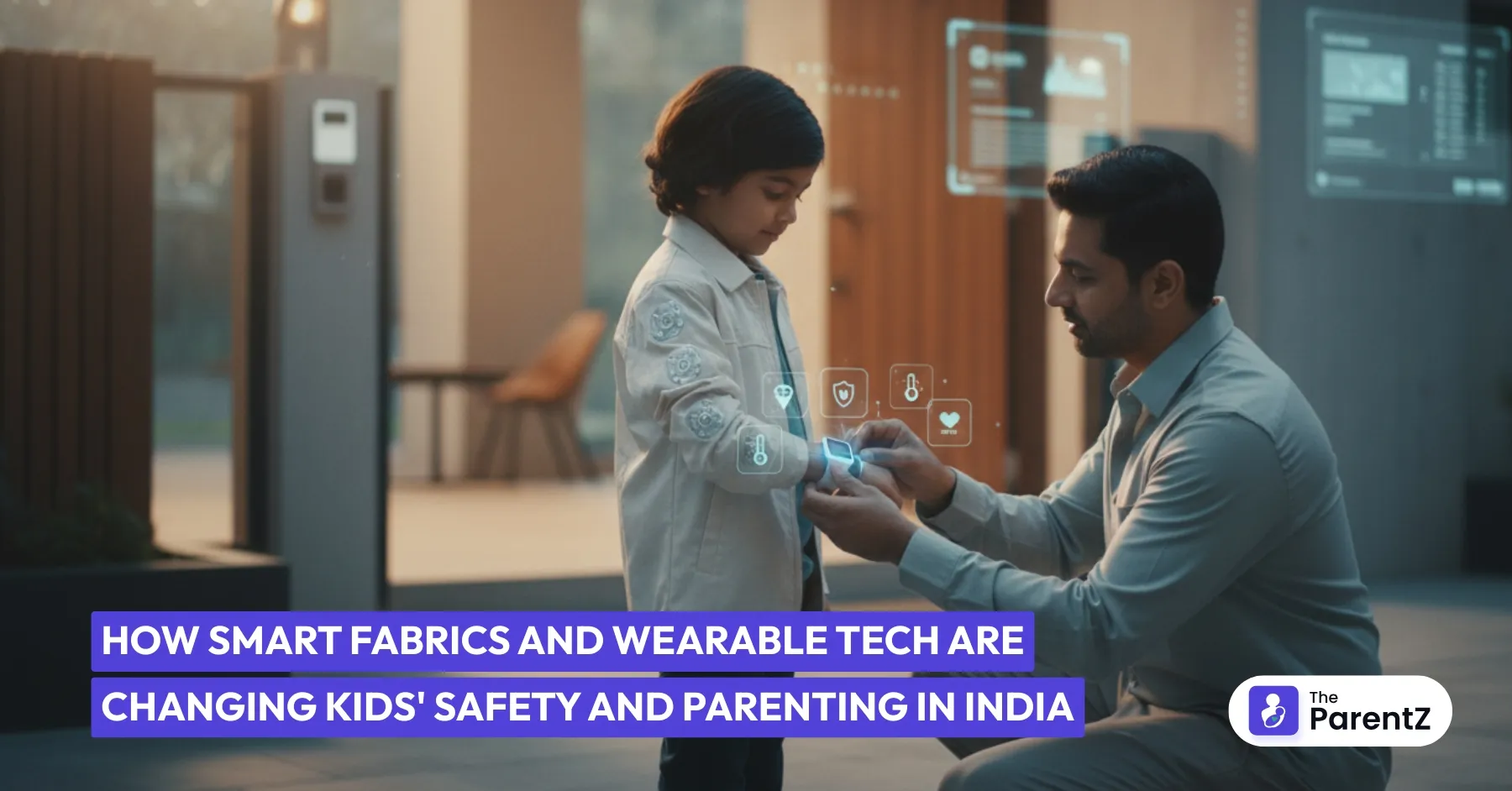
Smart fabrics and wearable technology are steadily changing how Indian parents keep their children safe, healthy, and active. While many of these ideas once sounded futuristic, several are already available in the Indian market, and others are being developed in research labs across the country.
Smart fabrics are textiles designed with built-in sensors, conductive threads, or chips that can monitor certain physical conditions like temperature or movement. Most of these are still in early or research phases, though some prototypes and niche products exist.
Wearable tech, on the other hand, includes gadgets worn on the body, such as smartwatches, fitness bands, and GPS trackers. These are already widely available and affordable in India. Increasingly, these devices are being designed for children’s safety, fitness, and communication.
Experts predict that in the next few years, India will see more integration between clothing and technology, with affordable smart school uniforms and sportswear designed to track posture and performance. For now, however, traditional wearables remain the most practical and reliable option for child safety and health monitoring.
Smart wearables are helping Indian parents strike a better balance between independence and safety. From tracking a child’s commute to monitoring basic health indicators, these devices offer peace of mind while promoting active living.
TheParentZ offers expert parenting tips & advice, along with tools for for tracking baby and child growth and development. Know more about Baby Growth and Development Tracker App.It serves as an online community for parents, providing valuable information on baby names, health, nutrition, activities, product reviews, childcare, child development and more
Disclaimer:
The views, thoughts, and opinions expressed in this article/blog are solely those of the author and do not necessarily reflect the views of The ParentZ. Any omissions, errors, or inaccuracies are the responsibility of the author. The ParentZ assumes no liability or responsibility for any content presented. Always consult a qualified professional for specific advice related to parenting, health, or child development.
Conversations (Comments) are opinions of our readers and are subject to our Community Guidelines.


Be the first one to comment on this story.