
Most Moms Report Slower Recovery After a Second Birth
Jul 19, 2026By Dr. Akanksha Priya
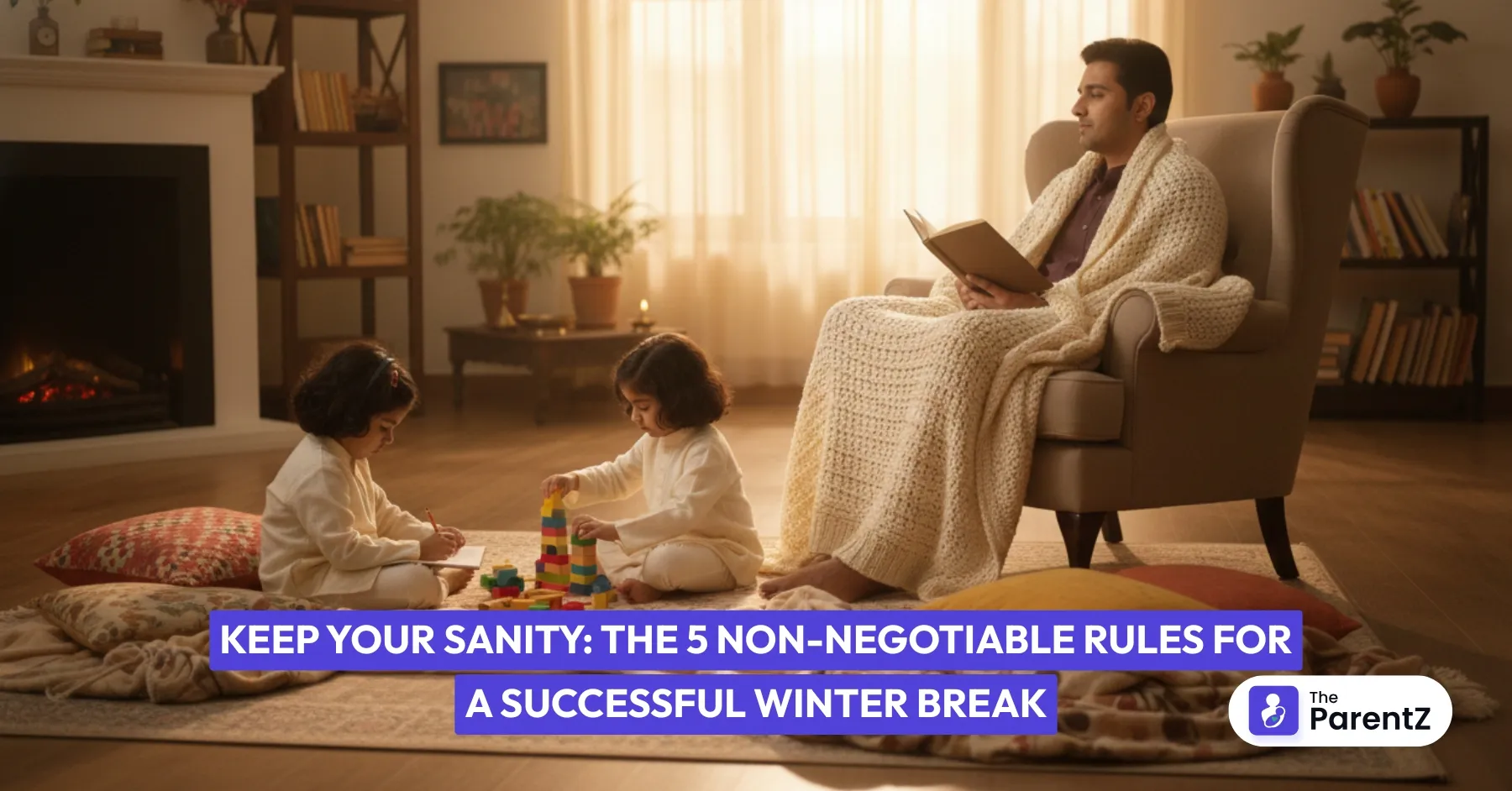
This winter isn't normal. Your kids can't play outside because the air quality is hazardous. Schools are doing hybrid classes, sports days are cancelled, and your living room has become everything from a classroom to a playground.
Winter break is here, and if you're feeling overwhelmed with kids home all day, you're not alone. Today, we are going to share five rules that will actually help you survive without losing your mind.
You're not running a school. But kids actually thrive with some routine, even during breaks. The key is making it light enough that nobody feels stressed.
Create a simple daily rhythm:
This isn't a rigid schedule; it's a rhythm. If learning hour happens at 11 am one day and 2 pm another, that's fine. The point is, kids know what to expect, which actually reduces the "I'm bored" complaints.
Why does this matter? When kids have zero structure, they get restless and irritable. A light routine gives them security without feeling like school.
Kids can't go outside much, so screens will be part of the equation. But it doesn't mean unlimited.
Smart screen time approach:
Alternative indoor activities: Build blanket forts and read, indoor treasure hunts, board games, art projects, cooking together, or audiobooks. Screen time is a tool, so use it intentionally and balance it with real engagement.
You might be tired. But good habits matter most when life is hard; they affect everyone's mood and health.
Nutrition basics:
Movement is essential: Even indoors, kids need daily physical activity.
Indoor movement ideas: YouTube kids' workouts (10-15 minutes), dance parties, yoga for kids, indoor obstacle courses, or basic exercises like jumping jacks and stretching.
Good food and movement directly affect mood, sleep, and behavior. When these slip, everything gets harder.
You can't pour from an empty cup. Self-care means managing your energy so you can be present.
Practical ways to maintain energy:
Solo parenting? Use kids' quiet time for yourself, accept help when offered, and set up indoor play dates so kids entertain each other.
Winter break can feel endless when stuck indoors. The antidote isn't elaborate plans—it's small moments of connection and joy.
Simple things that work:
Big activities are exhausting to plan and execute. Small, consistent moments of connection actually build better memories and keep everyone emotionally regulated.
Pro tip: Let kids anticipate things. "On Friday, we're making pizza together," gives them something to look forward to all week.
This winter break is challenging, but difficult doesn't mean compromising on what matters—structure, nutrition, movement, and connection. These five rules help you survive while building habits that make life easier. When you maintain healthy basics, everyone's mood improves. Kids are less cranky. You're less stressed. Days feel manageable.
TheParentZ offers expert parenting tips & advice, along with tools for for tracking baby and child growth and development. Know more about Baby Growth and Development Tracker App.It serves as an online community for parents, providing valuable information on baby names, health, nutrition, activities, product reviews, childcare, child development and more
Disclaimer:
The views, thoughts, and opinions expressed in this article/blog are solely those of the author and do not necessarily reflect the views of The ParentZ. Any omissions, errors, or inaccuracies are the responsibility of the author. The ParentZ assumes no liability or responsibility for any content presented. Always consult a qualified professional for specific advice related to parenting, health, or child development.
Conversations (Comments) are opinions of our readers and are subject to our Community Guidelines.



Be the first one to comment on this story.