
Most Moms Report Slower Recovery After a Second Birth
Jul 19, 2026By Dr. Akanksha Priya
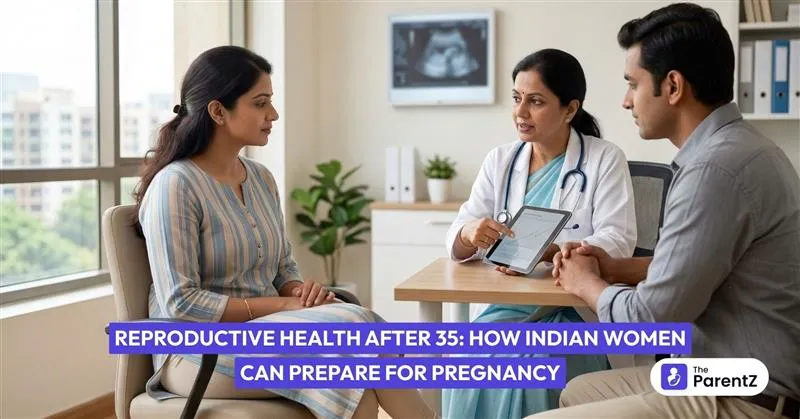
Pregnancy at the age of 35 and above is gradually becoming common in the lives of women in the Indian context due to their career commitments, education, and preparedness.
Even as the body's abilities change with age, with proper planning and expert advice, women can have healthy pregnancies.
The age of 35 is medically termed as "advanced maternal age," but this doesn't mean pregnancy becomes impossible or overly complicated. Many women in India have healthy pregnancies and deliver beautiful, healthy babies after this age. The key difference is that your body may need extra care and attention during this time.
The Indian woman today is more educated, financially sound, and emotionally developed when deciding to delay conception. The perks are that you have access to improved decision-making capabilities, an established career, and an excellent support system in place. It should not be forgotten that your reproductive potential does steadily diminish with age. Ovarian reserve and egg quality diminish after the age of 35.
Understanding how your fertility changes helps you set realistic expectations. After 35, the time it takes to conceive may be longer compared to your twenties, and that's completely normal. One important aspect of late motherhood fertility advice is knowing that egg quality matters as much as quantity.
Indian studies have shown that early pregnancy losses are somewhat higher in women over 35 compared to younger women. However, many women conceive naturally after 35. If you've been trying to conceive for six months without success, it's advisable to consult a fertility specialist rather than waiting for a full year.
Preparing for pregnancy after 35 years in India principally involves a preconception health plan in as much detail as possible. You can see your gynecologist-obstetrician at least three months in advance of trying to conceive.
Your doctor will prescribe a number of health check-ups; these may include thyroid function checks, blood sugar levels for diagnosing diabetes, blood pressure checks, and hemoglobin levels for anemia. Anemia has been found to occur rather widely in Indian women; it is necessary to treat it before conception.
Discuss genetic counseling with your physician, particularly in cases where genetic diseases run within your family. Keep your vaccinations up to date before trying to conceive. Make sure your shots are current for protection against rubella, hepatitis B, flu, and tetanus.
Achieving a healthy body weight significantly improves your fertility and pregnancy outcomes. If you're overweight or underweight, work with a nutritionist to reach a healthy BMI between 18.5 and 24.9. If you smoke or drink alcohol, quit for good. Cut down on how much caffeine you consume to a maximum of one cup of coffee or tea a day.
Manage chronic health conditions like PCOS, thyroid disorders, or diabetes with your doctor's help. Add stress management to your daily routine through activities such as yoga, meditation, or anything that relaxes you.
The foods that you eat contribute greatly to getting your body ready for conception. A healthy and nutritious diet helps you lead a healthy conception and pregnancy.
You can start taking folic acid supplements at least two to three months before trying to conceive. It is always best to follow the advice of your physician based on your health needs. Folic acid supplements help to assure the prevention of the potential defects in the neurons of your child. This is essential late motherhood fertility advice that every woman should follow.
Many Indian women have low iron levels. Include iron-rich foods like spinach, fenugreek leaves, amaranth, lentils, beans, and lean meats in your diet. Your doctor may also prescribe iron supplements based on your blood test results.
Vitamin D, along with calcium, is always important for you and for fetal development. Omega-3 fatty acids are important for fertility and as a developmental agent for the brain. Vitamin B12 supplements are particularly vital for vegetarian mothers.
Make your meal plan consist of whole foods such as brown rice, millets, and wholewheat. Include a lot of colorful vegetables and fruits. Eat protein-rich foods such as dal, legumes, eggs, chicken, and fish. Also, consume healthy fats from nuts, seeds, and controlled portions of ghee.
When you're planning a pregnancy after 35 in India, certain medical screenings become more important. Your doctor will discuss various prenatal testing options with you, including genetic screening tests that can assess your baby's risk for chromosomal abnormalities.
These tests include blood tests combined with ultrasound scans, or newer options like cell-free DNA screening (NIPT), which is becoming more available in Indian cities. Regular ultrasound monitoring throughout pregnancy helps track your baby's growth and development.
Gestational diabetes screening is particularly important as the risk increases with age. By learning about your risk factors, you can help ensure that you stay healthy and your baby is healthy too.
If you are having trouble getting pregnant the natural way, then fertility services are readily available in the Indian population. IVF and other forms of ART have been used as means of giving the gift of life to those wanting to fulfill their dreams of having children
Success rates for IVF in women aged 35-40 in India are encouraging, with rates around 40-52% depending on individual factors. Advanced techniques like ICSI and genetic testing of embryos can further improve outcomes.
If you are over 35 years of age and have not been able to conceive even after trying for six months, you could consider consulting a fertility specialist. Acting early usually leads to positive results. There are excellent fertility clinics in most cities in India that have skilled doctors and world-class facilities.
Being aware of potential risks helps you take preventive measures, but it is helpful to know that most women over the age of 35 have normal pregnancies and give birth to normal babies.
Gestational diabetes occurs more frequently in older mothers. Regular screening, maintaining a healthy diet, staying active, and monitoring blood sugar levels help manage this condition effectively. Monitoring blood pressure is also necessary since pregnancy-related hypertension tends to be slightly higher after the age of 35 years.
Regular prenatal care is your best defense against complications. Don't skip appointments, report any unusual symptoms immediately, and follow your doctor's advice carefully.
Perhaps one of the most decisive advantages of late motherhood is emotional maturity. You are probably better equipped to cope, find financial stability, and have a better idea of what you want out of your life, which adds to good parenting.
However, it's natural to feel anxious about pregnancy after 35. Establish a strong support system comprised of family, friends, and other mothers who relate to your feelings. If nervousness builds too high, don't hesitate to seek counseling. Mental health care during preconception and pregnancy is every bit as important as physical healthcare.
Knowing your fertile window is important in giving you the best possible chances of becoming pregnant. Ovulation is generally around the middle of your menstrual cycle, with the five days preceding ovulation, as well as ovulation itself, being your fertile window.
You can get ovulation predictor kits at pharmacies, or you could rely on your basal body temperature or women-tracking software to identify your fertile periods. Do not, however, make it a burden to plan your social engagements during your fertile periods. Engaging in regular sex is promoted.
Pregnancy after 35 in India is not only possible but increasingly common. When properly prepared and equipped with proper health care and a positive attitude, you can have a healthy pregnancy and bring a beautiful child into your world.
Start by scheduling a preconception consultation with your gynecologist. Then, follow the advice for late motherhood fertility discussed above: Take your supplements, eat healthy, live a healthy lifestyle, and manage your stress. Always remember that each woman has her own experience, and what really counts is taking good care of yourself.
The ParentZ website provides you with very useful services like health tracking, vaccinations, and many more to assist you throughout your pregnancy. Visit https://www.theparentz.com/ or download the ParentZ App to get personalized support at every stage of pregnancy and parenthood.
References
TheParentZ offers expert parenting tips & advice, along with tools for for tracking baby and child growth and development. Know more about Baby Growth and Development Tracker App.It serves as an online community for parents, providing valuable information on baby names, health, nutrition, activities, product reviews, childcare, child development and more
Dr. Shreya Karan is a dedicated oral and maxillofacial surgeon who brings over ten years of experience to her practice, combining surgical expertise with genuine care for her patients.
Disclaimer:
The views, thoughts, and opinions expressed in this article/blog are solely those of the author and do not necessarily reflect the views of The ParentZ. Any omissions, errors, or inaccuracies are the responsibility of the author. The ParentZ assumes no liability or responsibility for any content presented. Always consult a qualified professional for specific advice related to parenting, health, or child development.
Conversations (Comments) are opinions of our readers and are subject to our Community Guidelines.



Be the first one to comment on this story.