
Most Moms Report Slower Recovery After a Second Birth
Jul 19, 2026By Dr. Akanksha Priya
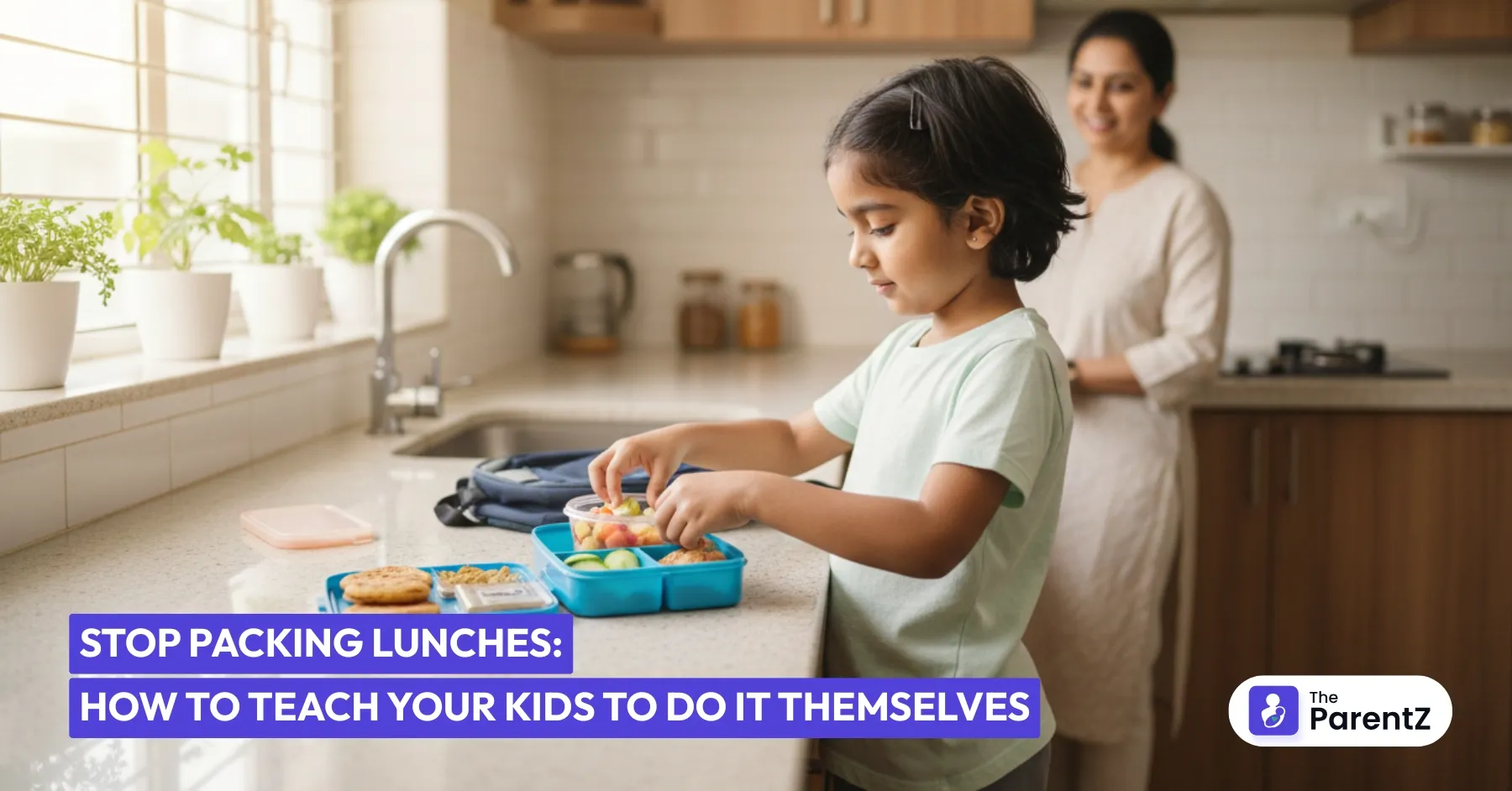
It's 7:30 AM. You're rushing to pack that tiffin box while your perfectly capable 10-year-old scrolls through their phone.
Unfortunately, you're making your own life harder than necessary. And you're accidentally teaching your child that someone will always do things for them.
We get it. You love your kids and want them to eat properly. In many Indian households, it's a badge of honor: "I pack fresh lunch every single day." But you're exhausted, and your child is capable of learning this skill.
Your child will eventually go to college, move to another city, or live independently. There won't be anyone to pack their lunch. We have all seen 20-year-olds who genuinely don't know how to put together a basic meal because someone always did it for them. They end up eating junk, wasting money, or skipping meals.
This isn't just about reducing your workload. It's about giving them a life skill, building confidence, teaching them to plan ahead, and take responsibility. Plus, when kids pack their own lunch, they're more likely to actually eat it.
Let’s address the big concerns:
Start on a weekend. Sit together and pack a practice lunch. Talk through your thinking: "We need something filling, protein, and fruits or vegetables." The next day, you guide while they do the physical work. "What protein should we pack today?"
They pack, you supervise without touching anything. Check at the end. If something's missing: "I see roti and sabzi, but we're missing fruit. What can you add?"
They pack the night before on their own. You do a quick check before bed for basics only. Don't fix it for them; just mention if something important is genuinely missing.
They will resist. Here's how to handle it:
You need to understand that you're not a bad parent for wanting to stop packing lunches every day. You're not lazy. You're not being neglectful. You're actually being a better parent by teaching your child independence.
Indian parenting culture often equates constant service with love. But real love is preparing your child for life without you constantly hovering. It's teaching them they're capable. It's showing them that you trust them.
Will they pack less creative lunches than you? Probably. Will they sometimes repeat the same items? Definitely. Will they occasionally forget? Yes. And that's all okay. They're learning, and learning is messy.
So starting tomorrow, have a conversation with your child. Tell them you're going to teach them this new skill. Set a start date. And then follow through.
TheParentZ offers expert parenting tips & advice, along with tools for for tracking baby and child growth and development. Know more about Baby Growth and Development Tracker App.It serves as an online community for parents, providing valuable information on baby names, health, nutrition, activities, product reviews, childcare, child development and more
Disclaimer:
The views, thoughts, and opinions expressed in this article/blog are solely those of the author and do not necessarily reflect the views of The ParentZ. Any omissions, errors, or inaccuracies are the responsibility of the author. The ParentZ assumes no liability or responsibility for any content presented. Always consult a qualified professional for specific advice related to parenting, health, or child development.
Conversations (Comments) are opinions of our readers and are subject to our Community Guidelines.



Be the first one to comment on this story.