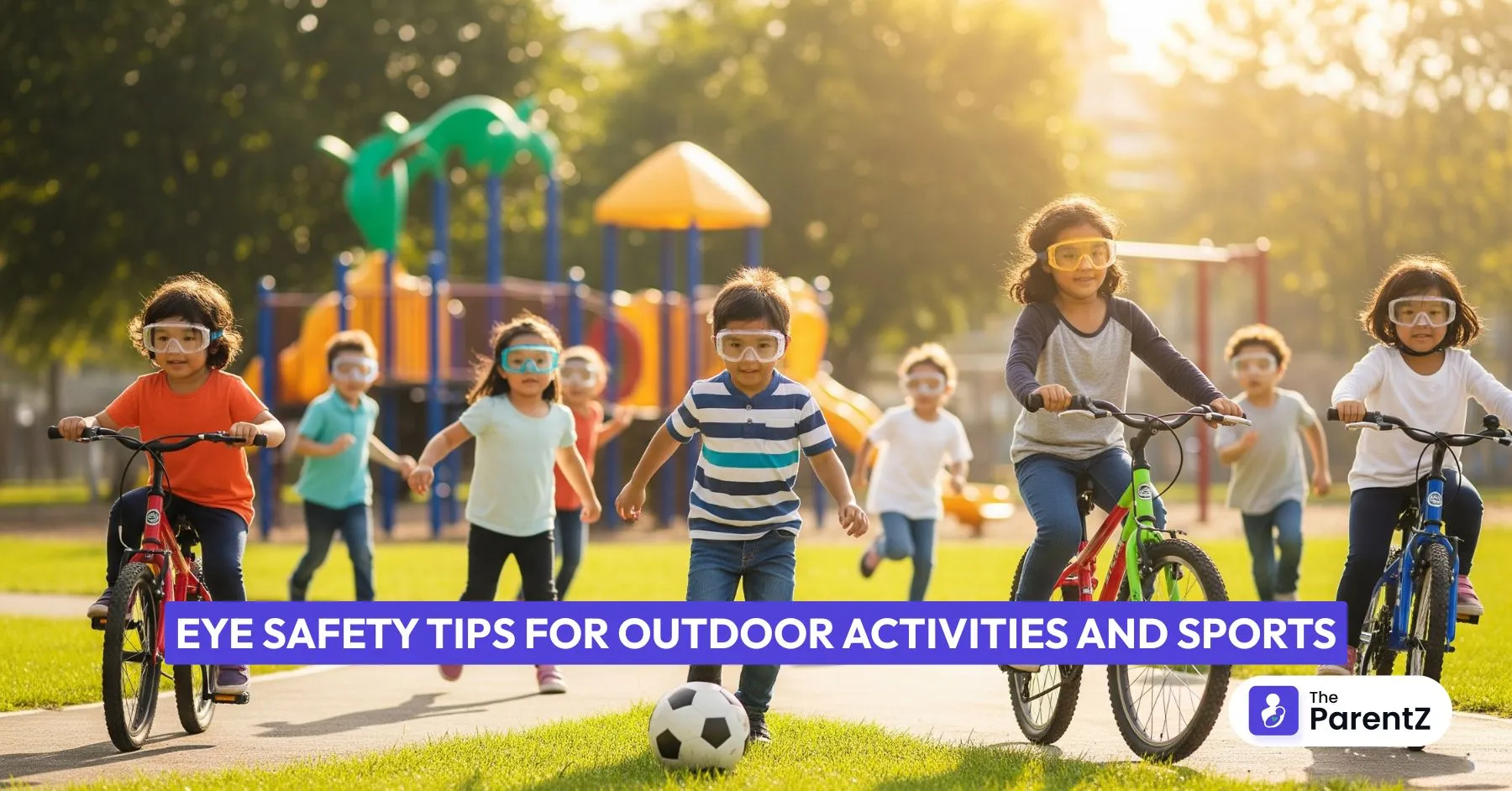
Whether it’s a sunny afternoon at the park, a weekend soccer game, or a family bike ride, outdoor activities and sports play a huge part in childhood and are great for health, confidence, and social skills. But did you know that these fun moments can also pose real risks to your child’s eyes? Eye injuries and sun damage are more common than most parents realize, but with a few simple precautions, you can keep your child’s vision safe and strong.
The Risks: Why Outdoor Activities Can Be Dangerous for Eyes
Outdoor play and sports expose children’s eyes to a range of hazards, including:
- Flying balls, bats, or sticks (in sports like baseball, basketball, hockey, or racquet sports)
- Dust, sand, or debris kicked up by wind or play
- UV rays from the sun, which can cause both short- and long-term eye damage
- Waterborne germs and chemicals in pools, lakes, or the ocean
- Contact lens issues (for kids who wear them during sports or swimming)
- Allergens and irritants like pollen or grass
These risks can lead to everything from mild irritation and scratches to serious injuries like retinal detachment, traumatic cataracts, or even permanent vision loss.
How Eye Injuries and Exposure Affect Vision
- Corneal abrasions: A scratch on the surface of your eye (cornea) can result in pain, redness, and blurred vision.
- Blunt trauma: A direct blow to the eye can cause bruising, bleeding inside the eye, or even a detached retina.
- Chemical exposure: Chlorine or saltwater can irritate and dry out eyes, while bacteria in water can cause infections.
- UV damage: Sun exposure can cause various types of damage to your eyes, including photokeratitis (a temporary, painful sunburn of the eye), and over time, it can contribute to more serious conditions like cataracts and macular degeneration.
- Infections: Dirty hands, water, or contact lenses can introduce bacteria, leading to pink eye or more serious infections.
Prevention: Eye Safety Tips Every Parent Should Know
1. Always Use Proper Eye Protection
- Sports goggles: For sports like basketball, racquetball, soccer, and field hockey, use shatterproof polycarbonate sports goggles. These are designed to withstand impact and protect against flying objects.
- Helmets with face shields: For baseball, hockey, lacrosse, or cycling, make sure helmets have certified face shields or wire masks.
- Swim goggles: Use them in pools, lakes, or the ocean to keep out germs, chlorine, and debris. Prescription swim goggles are available for kids who need vision correction.
2. Protect Against Sun Damage
- Sunglasses: Choose glasses that block 100% of UVA and UVB rays. Wraparound styles offer the best coverage and block light from the sides.
- Hats or caps: A wide-brimmed hat offers better sun protection for your eyes than a cap, as its brim shades them from direct sunlight.
- Polarized lenses: These reduce glare from water, snow, or pavement, making outdoor play more comfortable and safer for the eyes.
3. Keep Eyes Safe in Dusty, Windy, or Allergy-Prone Areas
- Wraparound glasses or goggles: These keep out dust, sand, and pollen, which can cause irritation or even scratches.
- Avoid rubbing eyes: If your child feels something in their eye, have them rinse with clean water or use lubricating eye drops instead of rubbing.
4. Contact Lens Care
- Cleanliness is key: Make sure your child washes their hands before handling contacts and uses fresh solution each time.
- No swimming with contacts: Water can introduce bacteria and cause infections. Use prescription swim goggles instead.
5. Stay Hydrated and Moisturized
- Drink water: Keeping your child hydrated helps prevent dry eyes, especially in hot or windy weather.
- Use artificial tears: If your child complains of dryness, preservative-free lubricating eye drops can help.
6. Take Extra Precautions in Winter
- Snow goggles: Snow reflects UV rays, increasing the risk of sunburned eyes. Use snow goggles with UV protection for skiing, snowboarding, or sledding.
- Moisturize: Cold, dry air can lead to dry eyes—eye drops and goggles can help.
7. Know the Sports with the Highest Risk
- Basketball, baseball, softball, racquet sports, hockey, and airsoft/paintball are among the leading causes of sports-related eye injuries. Even as a spectator, keep an eye out for stray balls or equipment.
8. Regular Eye Exams
- Annual check-ups: A yearly visit to an eye doctor can catch problems early and ensure your child’s eyes are healthy and ready for action.
- Update prescriptions: Make sure your child’s glasses or contacts are up to date, and ask about sports-specific lenses if needed.
Teaching Kids About Eye Safety: Building Good Habits Early
Children are more likely to protect their eyes if they understand why it matters. Teach them the importance of having and wearing protective eyewear and sunglasses, and explain how injuries can happen. Make eye safety a routine part of getting ready for sports or outdoor play, just like putting on a helmet or sunscreen.
The Role of Coaches and Schools in Eye Safety
Parents aren’t the only ones responsible for eye safety. Coaches and schools play a vital role in enforcing protective gear rules and educating kids about risks. Encourage your child’s school or sports league to require appropriate eye protection and provide training on safe play techniques.
The Importance of Rest and Recovery for Eye Health
After outdoor activities or sports, encourage your child to rest their eyes, especially if they’ve been exposed to bright sunlight, wind, or dust. Adequate sleep and breaks from screen time also help maintain overall eye health.
When to Consult an Eye Specialist
If your child experiences any of the following after outdoor activities, see an eye specialist promptly:
- Persistent eye pain or redness
- Blurred or double vision
- Sensitivity to light
- Difficulty seeing or changes in vision
- Foreign object sensation that won’t go away
Early treatment often prevents complications and protects your child’s vision for the future.
Emergency Preparedness: What Every Parent Should Have in Their First Aid Kit
Accidents happen, so it’s good to be prepared. Keep a basic eye first aid kit handy that includes:
- Sterile saline solution for rinsing eyes
- Clean, soft cloths or eye pads for covering injuries
- A list of emergency contacts, including your child’s eye doctor
What to Do If an Eye Injury Happens
- Don’t rub or touch the eye.
- Rinse with clean water if there’s dust, sand, or chemicals.
- Protect the eye with a clean cloth or shield, but do not press on it.
- Seek medical attention immediately for any pain, vision changes, or if something is stuck in the eye.
Conclusion
Outdoor activities and sports are fantastic for your child’s development, but eye safety should always be part of the game plan. With the right gear, smart habits, and regular check-ups, you can help your child enjoy every adventure with a clear, healthy vision for life.

Be the first one to comment on this story.