
Most Moms Report Slower Recovery After a Second Birth
Jul 19, 2026By Dr. Akanksha Priya
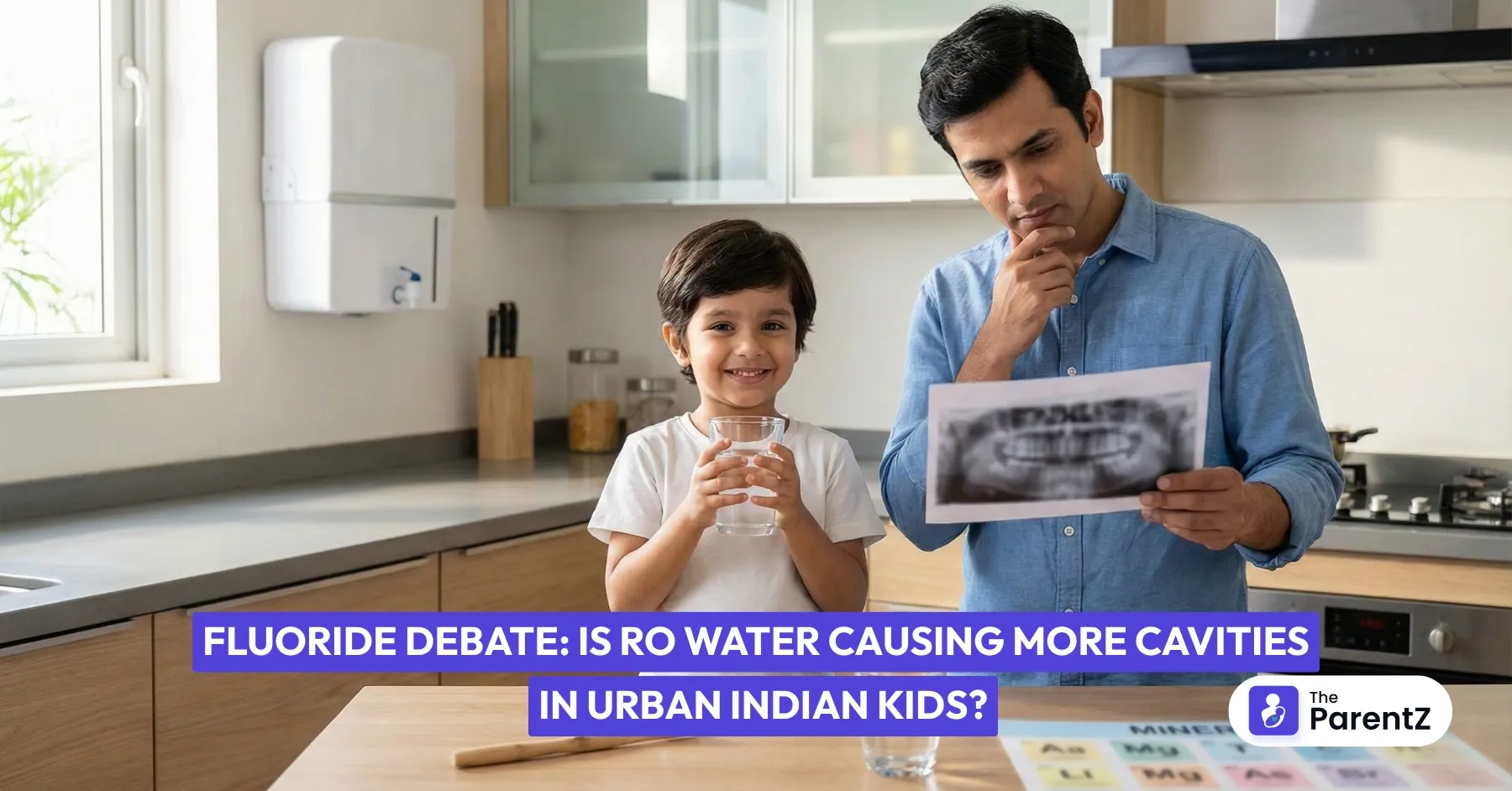
Across cities in India, many parents are noticing something puzzling. Children are developing more cavities even though they follow good dental hygiene. Surprisingly, the very RO water purifier trusted for clean and safe water may be part of the problem.
This concern connects to a lesser-known issue: fluoride deficiency in India. While excessive fluoride has long been a worry, very few people realize that too little fluoride can also damage teeth, especially in growing children.
Fluoride helps strengthen tooth enamel and protects it from acid attacks that cause decay. It works like an invisible shield that guards the teeth from bacteria and cavities.
According to guidelines, the maximum safe fluoride limit in drinking water is 1.5 mg/L. For effective cavity prevention, the optimal range is 0.7–1.0 mg/L, depending on the climate and the amount of water consumed daily. Fluoride also slows bacterial acid production, which weakens enamel.
India faces a unique challenge. Some areas have high natural fluoride levels, while others have very low levels. This imbalance makes it essential to understand the link between RO water, dental health, and cavity formation.
Millions of Indian households now use RO purifiers because of rising concerns about contamination and waterborne diseases. These systems effectively remove heavy metals, pesticides, and harmful impurities.
However, RO filtration also removes essential minerals such as fluoride, calcium, and magnesium. Research shows that RO water often has a Total Dissolved Solids (TDS) level between 18 and 30 mg/L, meaning it removes up to 92% of minerals. Water that once had 0.05 to 0.61 ppm of fluoride may end up with almost none after purification.
The National Institute of Hydrology has confirmed that RO water contains very low TDS levels and lacks natural minerals. As a result, families are drinking water that is clean but stripped of vital nutrients that support strong bones and healthy teeth.
Studies across India show that more than 50% of children between the ages of 3 and 18 have dental caries. In areas where fluoride levels in water are low, the percentage of children with cavities increases to about 60%. In contrast, areas with optimal fluoride levels (0.7-1.2 ppm) report significantly lower rates, with only around 18% of children affected.
Dentists working in urban and semi-urban areas report that even six-year-olds are showing advanced cavities. These are not minor issues but serious oral health concerns directly linked to fluoride deficiency in India.
Research shows that children in low-fluoride areas face substantially higher cavity rates across all age groups. Among 12-year-olds overall, cavity rates reach about 40%, and among 15-year-olds, around 47%. These are crucial ages for dental development, and a lack of fluoride during this period can have lasting effects on oral health.
The link between RO water dental health and increased cavities is not just speculation. Research has confirmed that RO purifiers completely eliminate fluoride from water.
Investigations also revealed that RO-treated water consistently shows low TDS levels below 30 mg/L and lacks essential minerals such as calcium and magnesium. These minerals are important not only for teeth but also for bones and overall health.
The World Health Organization has also raised concerns about consuming demineralized water. Studies from the Czech and Slovak regions showed that prolonged consumption of such water could lead to magnesium deficiency and related cardiovascular issues. Research in Gujarat found a similar pattern, linking RO water consumption with mineral imbalances.
In short, while RO water is pure, it may not always be nutritionally complete or healthy for long-term consumption.
India faces an unusual situation. Some regions suffer from excess fluoride in groundwater, while others have a deficiency.
More than 17 states, including Rajasthan, Gujarat, and Andhra Pradesh, have high fluoride concentrations in water. For families in these areas, RO purification is beneficial because it helps prevent fluorosis, a condition that causes white or brown stains on teeth and can even affect bones in severe cases.
On the other hand, states such as Kerala, Delhi, and West Bengal naturally have very low fluoride levels. Here, using RO systems removes even the little fluoride available, worsening the risk of cavities in children.
A study involving 1,500 children in Muradnagar found an inverse relationship between fluorosis and dental caries. As fluorosis increased, the rate of cavities decreased. This finding highlights that an optimal fluoride level, not absence or excess, is the key to healthy teeth.
There is no need for panic. The goal is awareness and balance. Here are some practical steps parents can take:
The first step is to check the fluoride levels in your water supply. If it is above 1.5 ppm, RO purification is advisable. If it is below 0.7 ppm, RO systems may not be ideal since they remove even trace fluoride.
If your area has low fluoride levels, consider UV or activated carbon filters. They purify water by killing bacteria and removing contaminants while preserving minerals.
If RO is necessary due to contamination, opt for models with remineralization filters that restore calcium, magnesium, and fluoride. These are now available from several leading brands.
Regardless of the water source, fluoride toothpaste remains crucial. For children under 3 years, use a smear the size of a rice grain. Between 3 to 6 years, use a pea-sized amount. Children above 6 can use a full-brush length. Brush twice a day, especially before bedtime.
Dentists can apply fluoride varnishes that provide additional protection. These treatments are especially beneficial for children drinking RO water.
Certain foods can naturally increase fluoride intake. Black tea, seafood (especially with bones), and some vegetables can help maintain a healthy balance.
Early and regular dental checkups help detect problems sooner. Inform your dentist about your water source and ask for personalized prevention strategies that consider RO water dental health risks.
The fluoride debate in India is not a simple one. The same RO purifier that benefits families in one state may harm those in another. Understanding your region's water composition is the first step to making informed decisions. Fluoride plays a vital role during childhood when permanent teeth are still developing. Losing this natural protection too early can lead to long-term dental problems.
Families do not need to abandon RO purifiers altogether. Instead, the focus should be on choosing systems that ensure safety without removing essential minerals. Water purity and nutritional completeness can go hand in hand with a little awareness.
The larger goal is to raise healthy children who can smile confidently for years to come. By understanding fluoride deficiency in India and making thoughtful choices about water purification, parents can safeguard both health and happiness.
Keep Your Child's Smile Bright with The ParentZ
Track your child's growth, dental checkups, and health milestones with The ParentZ app. Stay informed, connect with other parents, and get expert guidance for every stage of your child's journey.
Get the App Now | Visit TheParentz.com for Expert Parenting Tips
References:
TheParentZ offers expert parenting tips & advice, along with tools for for tracking baby and child growth and development. Know more about Baby Growth and Development Tracker App.It serves as an online community for parents, providing valuable information on baby names, health, nutrition, activities, product reviews, childcare, child development and more
Dr. Shreya Karan is a dedicated oral and maxillofacial surgeon who brings over ten years of experience to her practice, combining surgical expertise with genuine care for her patients.
Disclaimer:
The views, thoughts, and opinions expressed in this article/blog are solely those of the author and do not necessarily reflect the views of The ParentZ. Any omissions, errors, or inaccuracies are the responsibility of the author. The ParentZ assumes no liability or responsibility for any content presented. Always consult a qualified professional for specific advice related to parenting, health, or child development.
Conversations (Comments) are opinions of our readers and are subject to our Community Guidelines.



Be the first one to comment on this story.