
Most Moms Report Slower Recovery After a Second Birth
Jul 19, 2026By Dr. Akanksha Priya
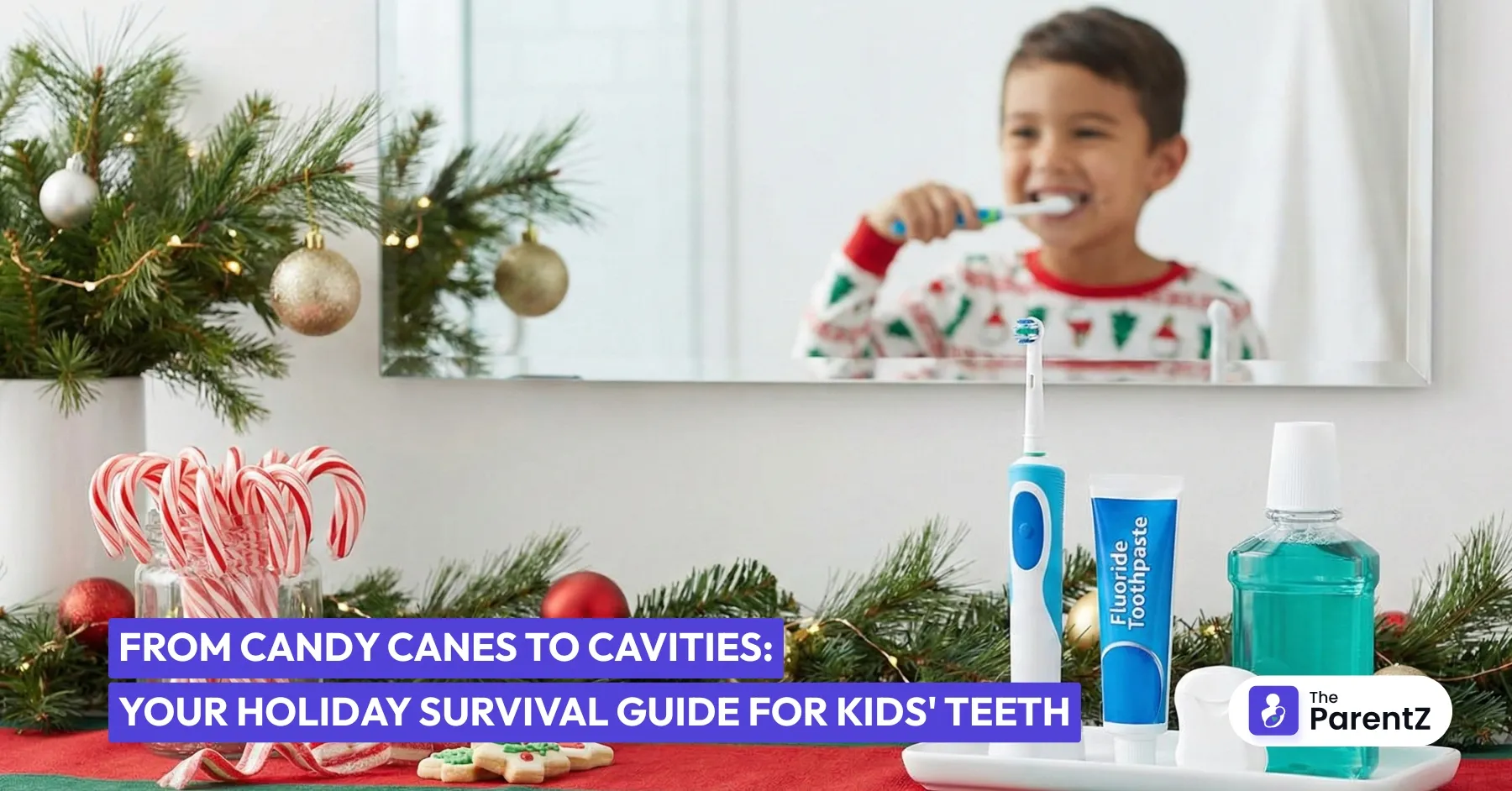
The holidays are here, which means twinkling lights, family gatherings, and of course, tables piled with sweets. As parents, we want our kids to enjoy every festive moment, but somewhere between the third candy cane and that fifth cookie, we start worrying about those tiny teeth.
Fortunately, you don't have to be the holiday grinch. Today, we are going to talk about how your kids can enjoy treats without turning their mouths into sugar factories.
Think of your child's mouth as a small city. There are good bacteria and bad bacteria living there. When sugar shows up, the bad bacteria throw a party. They eat the sugar and produce acid as waste. This acid then attacks the tooth enamel for approximately 20 to 30 minutes after your child finishes eating.
One candy is not the end of the world. But when kids graze on sweets all day (a cookie here, a chocolate there), their teeth are under constant acid attack. The enamel never gets a break to recover, and that's when cavities start forming.
Not all sweets are created equal. Some are worse for teeth than others:
When your child eats candy matters more than how much they eat.
Having treats with meals is far better than snacking throughout the day. Why? Because meals already trigger acid production, so adding dessert doesn't create additional acid attacks. Your child's saliva production increases during meals too, which helps wash away sugar and neutralize acid.
Instead of letting kids nibble on holiday treats all afternoon, set specific treat times, like maybe after lunch or after dinner. Then have them rinse with water or brush about 30 minutes later.
The holidays mess up routines. Late nights, house guests, travel, and suddenly that bedtime brushing routine falls apart. But this is exactly when your kids need it most.
Encourage your child to drink water after eating sweets. It rinses away sugar and food particles, dilutes acids, and keeps saliva flowing.
Skip the juice boxes and sodas. Many sodas contain extremely high levels of sugar. And the acid in fizzy drinks attacks enamel separately from the sugar problem.
Balance out the holiday treats with foods that actually help teeth:
Fresh vegetables like carrots and celery are crunchy and naturally clean teeth as kids chew. Cheese, yogurt, and milk provide calcium that strengthens enamel. Whole fruits are sweet but come with fiber and nutrients. Nuts offer protein and healthy fats.
Keep these visible and easy to grab. Kids are more likely to choose them if they're right there on the counter.
Your child just demolished three cookies at Grandma's house. Now what?
Have them rinse their mouth with water immediately. This washes away loose sugar and dilutes acids.
Wait about 30 minutes before brushing. Why? Because acid temporarily softens enamel, and brushing right away can actually scrub it off. Give the saliva time to do its job and reharden the enamel first.
If you're out and can't brush later, at least do the water rinse. Pack some sugar-free gum if your child is old enough, as chewing increases saliva flow, which helps clean and protect teeth naturally.
Once the celebrations wind down, schedule a dental checkup. A professional cleaning can catch any problems early and remove the buildup from all those holiday treats.
This also reinforces the message that we take care of our teeth year-round, not just when problems show up.
You don't need to ban all treats. Instead, set clear expectations before the holiday chaos begins.
Decide as a family when treat time will be. Maybe it's one small serving of dessert after dinner. Maybe it's a special Christmas Eve candy tradition. Whatever you choose, stick with it.
Consider the "candy swap" approach after big events. Let your child pick their favorite pieces and donate the rest.
The holidays are about joy, tradition, and making memories; not about perfect dental hygiene. Your goal isn't to eliminate every bit of sugar or brush after every bite. It's to find a balance where your kids can enjoy the season without setting themselves up for painful dental problems later.
Keep the twice-daily brushing routine going no matter what. Choose timing over quantity when it comes to treats. Drink lots of water. Make smart swaps when you can.
And most importantly, don't stress so much that you forget to enjoy the holidays yourself. A few extra cookies won't destroy your child's teeth if you're doing the basics right. The damage comes from constant exposure without any protective habits.
TheParentZ offers expert parenting tips & advice, along with tools for for tracking baby and child growth and development. Know more about Baby Growth and Development Tracker App.It serves as an online community for parents, providing valuable information on baby names, health, nutrition, activities, product reviews, childcare, child development and more
Disclaimer:
The views, thoughts, and opinions expressed in this article/blog are solely those of the author and do not necessarily reflect the views of The ParentZ. Any omissions, errors, or inaccuracies are the responsibility of the author. The ParentZ assumes no liability or responsibility for any content presented. Always consult a qualified professional for specific advice related to parenting, health, or child development.
Conversations (Comments) are opinions of our readers and are subject to our Community Guidelines.

Be the first one to comment on this story.