
Most Moms Report Slower Recovery After a Second Birth
Jul 19, 2026By Dr. Akanksha Priya
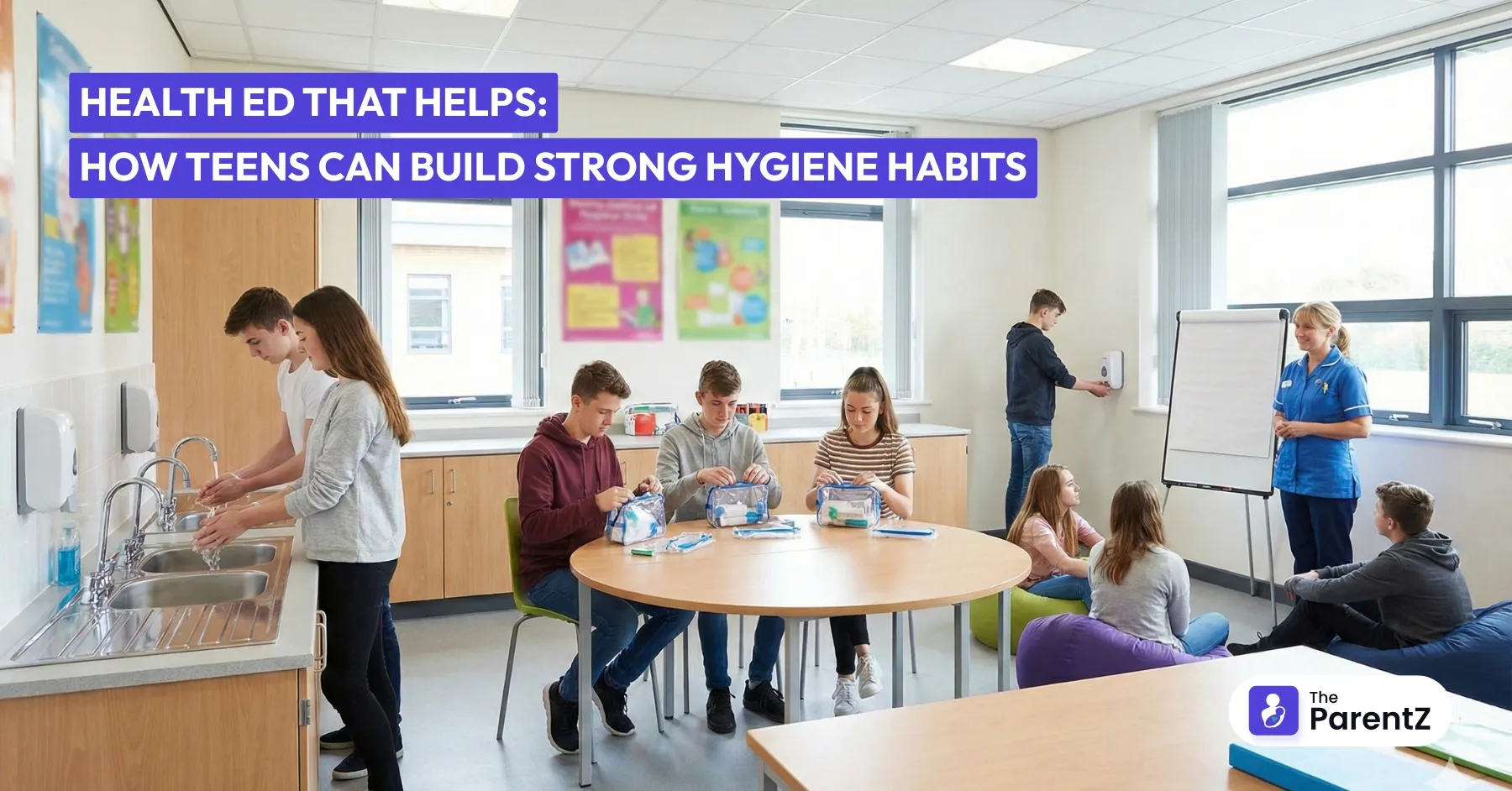
Talking to your teenager about body odor, greasy hair, or acne isn't exactly anyone's idea of a fun conversation. But those awkward talks matter more than you think. Between raging hormones and social pressures, teens are going through a whole new world of physical changes, and they need your guidance more than they'd ever admit.
Remember when your kid was little and bath time was part of the routine? Those days are gone. Now you're dealing with a young person whose body is basically rewiring itself. Hormones trigger oil glands to work overtime, which means greasy hair by lunchtime and acne that seems to pop up overnight. New sweat glands become active in the underarms and genital areas during puberty, creating body odor where there wasn't any before.
Teens are busy, distracted, and sometimes genuinely forget that showering is not optional. According to Connecticut Children's pediatricians, teens may still need occasional reminders about hygiene routines, especially when they're busy or distracted.
Poor hygiene isn't just about social awkwardness, though that's painful enough at this age. Many diseases and conditions can be prevented through proper hygiene practices (especially handwashing and dental care), according to the CDC. We're talking about skin infections, dental problems, and illnesses that spread through unwashed hands.
But here's what matters to teens: confidence. When they feel clean and fresh, they carry themselves differently. They're more comfortable talking to people, participating in class, and just being themselves.
Forget lectures and nagging. Here's what experienced parents have found actually gets results:
Teens respond better when they understand the reason behind things. Instead of "You need to shower," try "Your body's going through changes right now that create more oil and bacteria. A daily shower helps you feel fresher and prevents skin problems." Keep it factual, not judgmental.
Frame hygiene as something they're doing for themselves, not because you're making them. "What makes you feel most confident?" works better than "You smell bad."
Set kids up with the right tools, like gentle shampoo for sensitive skin. Let your teen pick out their own products, like body wash, face cleanser, and deodorant. When they choose it, they're more likely to use it. Some teens may manage body odor with daily showers and clean clothes, while others may need deodorant; it varies by body chemistry.
Vague instructions don't work. Be specific: shower daily (or after sports), wash face twice a day with warm water and mild soap, brush teeth morning and night for two minutes each time, and change clothes daily. Write it down if needed. Starting these lessons early, around age 10, helps teens form habits before puberty really kicks in.
Encourage your teen to wash their face gently twice a day with lukewarm water and a gentle cleanser. Emphasize not picking or popping pimples, as bacteria on the hands can make things worse. If over-the-counter products aren't helping after a few weeks, see a dermatologist. Teens with severe acne should consult a dermatologist for specialized treatment.
Brushing teeth twice a day, flossing, and regular dental visits are vital for avoiding bad breath, gum problems, and tooth decay. Teens with braces need extra care. If your teen balks at this, remind them that bad breath is a dating deal-breaker; sometimes social motivation works when health motivation doesn't.
For athletic teens, explain that athletes may need to shower more often than once daily. After gym class or practice, a quick rinse prevents bacteria buildup. Keep a small towel and deodorant in their backpack.
Different hair types need different care; straight hair tends to be more oily, while curly hair tends to be drier. Washing frequency should match their hair type, anywhere from daily to weekly. If their hair looks greasy by afternoon, they might need to wash more often or use a different shampoo.
Discuss period hygiene openly, including the use of pads, tampons, or menstrual cups. Make sure supplies are easily accessible at home and that she knows how often to change them. This shouldn't be awkward, as it's basic health information.
Don't shame or embarrass them, especially in front of siblings or friends. This backfires spectacularly and damages your relationship. Don't make it about how their hygiene affects you ("You're embarrassing me"). Keep the focus on their well-being and confidence.
Don't expect perfection immediately. Habit-building takes time. If they forget to shower one morning, a gentle reminder works better than a guilt trip.
If your teen is consistently neglecting hygiene despite your conversations, it might signal something deeper. Cognitive development delays or mental health problems like depression can affect a teen's ability to maintain basic hygiene routines. If you suspect this, talk to your pediatrician; there's no shame in getting professional guidance.
Your teen is going through a lot right now. Their body is changing, their social world is complex, and everything feels intense. Good hygiene habits give them one less thing to worry about and one more reason to feel confident. By teaching them step by step and providing support along the way, you help your children develop lifelong habits that promote health and confidence.
Start the conversations early, keep them judgment-free, and model good habits yourself. Be patient. They're not trying to be difficult; they're just figuring out how to be an adult in a body that's still changing.
TheParentZ offers expert parenting tips & advice, along with tools for for tracking baby and child growth and development. Know more about Baby Growth and Development Tracker App.It serves as an online community for parents, providing valuable information on baby names, health, nutrition, activities, product reviews, childcare, child development and more
Disclaimer:
The views, thoughts, and opinions expressed in this article/blog are solely those of the author and do not necessarily reflect the views of The ParentZ. Any omissions, errors, or inaccuracies are the responsibility of the author. The ParentZ assumes no liability or responsibility for any content presented. Always consult a qualified professional for specific advice related to parenting, health, or child development.
Conversations (Comments) are opinions of our readers and are subject to our Community Guidelines.

Be the first one to comment on this story.