
Most Moms Report Slower Recovery After a Second Birth
Jul 19, 2026By Dr. Akanksha Priya
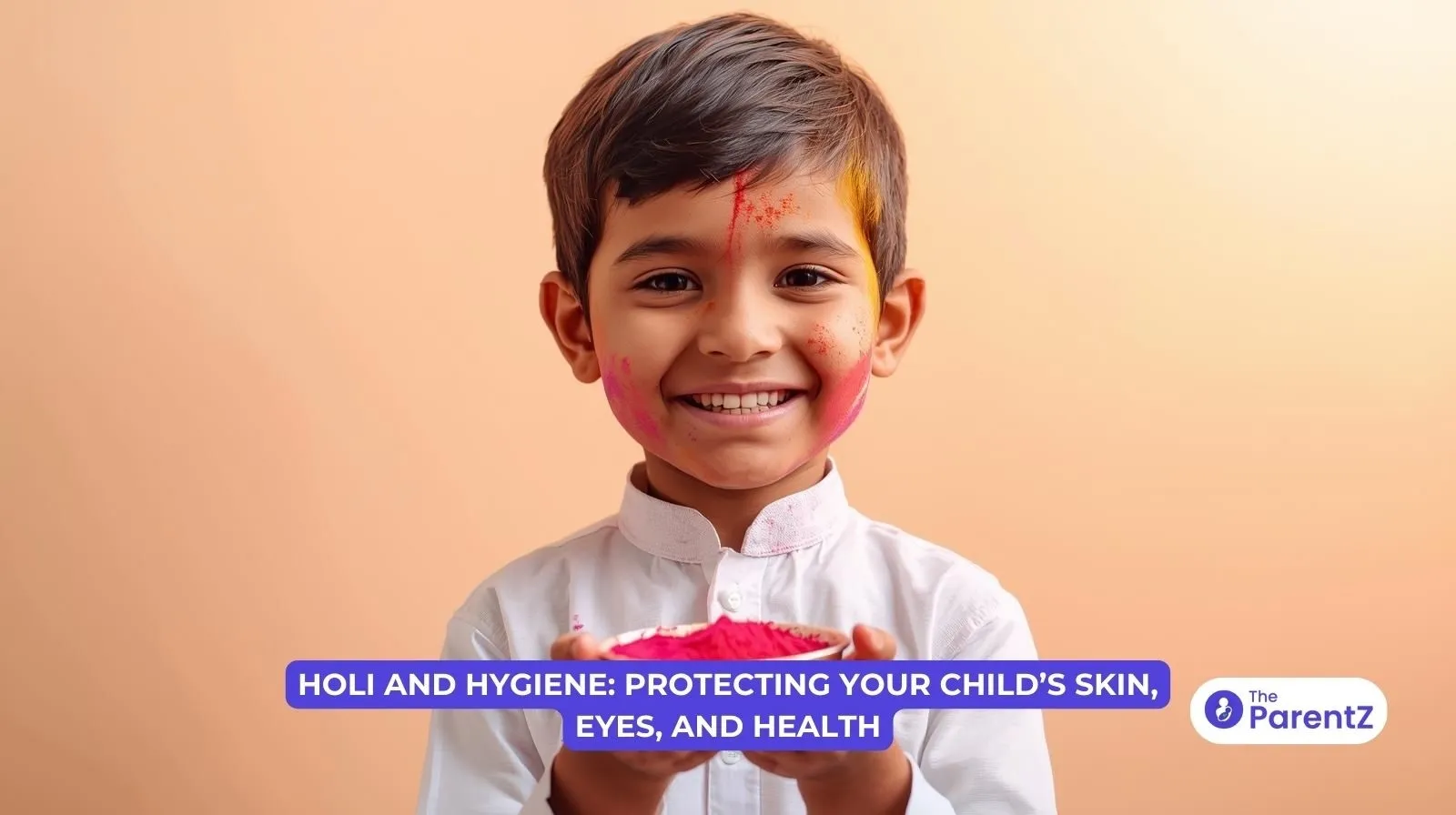
Holi is loud, joyful, and wonderfully chaotic. But every year, pediatric clinics across India see a quiet but consistent spike in appointments right after the festival. Skin rashes, eye irritation, scalp infections, and allergic reactions. Most of them caused not by the festival itself, but by the colors used during it.
As a parent, you don't need to choose between your child's health and their happiness. You just need the right information. So it is time to get into it.
Most synthetic Holi colors sold in the market, especially the cheaper ones, are not regulated as cosmetic or skin-safe products. Independent studies and consumer reports have repeatedly found the presence of harmful substances, including lead oxide in red colors, copper sulfate in green, prussian blue (an industrial dye) in blue shades, and asbestos or silica in silver and glitter-based colors.
These are not cosmetic-grade ingredients. They are industrial chemicals. And children's skin, which is thinner and more permeable than adult skin, absorbs these substances more readily. This is why reactions tend to be more severe in kids than in adults exposed to the same colors.
To minimize risks, opt for certified natural or herbal colors made from ingredients like turmeric (yellow), beetroot (pink/red), marigold flowers (orange), or henna (green). Beware of misleading 'organic' labels. Always check for certifications from reputable bodies to make sure that they're free of toxins.
The single most effective thing you can do is apply a generous layer of coconut oil, almond oil, or any thick moisturizer to your child's entire body, including face, arms, legs, neck, and behind the ears, before they step out. This creates a physical barrier between the skin and the color, significantly reducing absorption and making cleanup far easier.
Dermatologists consistently recommend oil-based barriers before color exposure, specifically because they prevent color pigments from binding directly to skin cells. This isn't just folk wisdom; it's basic skin science.
For children with pre-existing eczema or sensitive skin, apply a fragrance-free, thick emollient cream (like petroleum jelly on exposed patches) in addition to the oil layer. Avoid any area with active rashes or broken skin entirely. Do not let color come in contact with open wounds or inflamed patches.
Dress your child in full-sleeved, light-colored cotton clothing. Cotton breathes, reduces heat rash, and limits direct skin exposure. Avoid synthetic fabrics, as they trap heat and can worsen chemical irritation against the skin.
Eye injuries during Holi are far more common than most parents realize. Dry color powders, especially when thrown at close range, can cause corneal abrasions, chemical conjunctivitis, and, in severe cases, temporary vision disturbances.
The cornea, the transparent front surface of the eye, is extremely sensitive to foreign particles and chemical compounds. When fine color powder enters the eye, it doesn't just sit on the surface; it can embed into the conjunctival tissue and cause significant inflammation.
If your child is old enough and willing, a pair of wraparound sunglasses or protective eyewear provides a good physical shield. This is especially useful for toddlers and younger children who cannot be relied upon to close their eyes in time. If your child wears contact lenses (common in older kids), remove them before playing, as they can trap chemicals and worsen irritation.
Do not rub. This is the most important thing to communicate to your child beforehand. Rubbing spreads the color particles further across the eye surface and worsens abrasion.
Flush the eye immediately with clean, room-temperature water for a full 10 to 15 minutes. Tilt the head to the side so water runs from the inner corner of the eye outward. If irritation, redness, or pain persists after rinsing, see a doctor the same day. Do not wait.
Stick to plain, clean water for initial rinsing. Avoid substitutes like rose water in emergencies, as they may not fully remove chemicals.
Synthetic color powders and liquid colors can strip the scalp's natural oils, cause dryness, dandruff flare-ups, and, in children prone to scalp sensitivity, trigger significant irritation.
Before Holi, coat the scalp and hair generously with coconut oil. This reduces color penetration into the scalp and makes washing out far simpler. If your child has long hair, braid it or tie it up, as less surface area exposed means less color to deal with afterward.
Synthetic colors can also pose risks when inhaled as fine powders, potentially triggering asthma attacks, bronchitis, wheezing, or rhinitis in children, especially those with pre-existing allergies or lung conditions. These particles can inflame the airways and cause discomfort.
To protect against this, avoid throwing powders directly at the face to prevent inhalation. For sensitive or asthmatic kids, recommend wearing a light mask or scarf over the nose and mouth, or opting out of dry powder play. Accidental ingestion (e.g., via the mouth during play) can affect internal organs like the kidneys or liver in severe cases, so supervise young children closely.
Most skin damage from Holi colors actually happens during cleanup, not during play. Vigorous scrubbing with harsh soaps to remove stubborn color causes micro-tears in the skin, strips protective oils, and worsens any existing irritation.
Rinse first with plain water. Let it run over the skin for several minutes before applying any soap. Then use a mild, pH-balanced soap or baby wash. Gently work it in with your fingertips, never with a rough cloth or loofah. Repeat if needed, but always gently.
For color in hair, apply a generous amount of oil again before shampooing. Let it sit for 10 minutes, then shampoo with a gentle, sulfate-free formula. This lifts color without traumatizing the scalp.
If a patch of color is not coming off, leave it. Stubborn stains on skin will fade within 2 to 3 days on their own. Aggressive scrubbing to remove every last trace causes far more harm than the remaining color.
Most Holi-related skin reactions resolve within a day or two with gentle care. However, see a doctor promptly if you notice hives or widespread redness spreading beyond the color-exposed area, swelling around the eyes or lips, blistering or weeping skin, persistent eye redness or pain beyond 24 hours, or difficulty breathing, which, though rare, can indicate a severe allergic response.
Holi is worth celebrating fully, and protecting your child doesn't mean wrapping them in cotton wool. It means doing five minutes of preparation the night before, keeping a bottle of clean water nearby, and knowing what to do if something goes wrong. For children with asthma, allergies, or sensitive conditions, consult a pediatrician beforehand for personalized advice.
A little awareness goes a long way. Happy Holi!.
TheParentZ offers expert parenting tips & advice, along with tools for for tracking baby and child growth and development. Know more about Baby Growth and Development Tracker App.It serves as an online community for parents, providing valuable information on baby names, health, nutrition, activities, product reviews, childcare, child development and more
Disclaimer:
The views, thoughts, and opinions expressed in this article/blog are solely those of the author and do not necessarily reflect the views of The ParentZ. Any omissions, errors, or inaccuracies are the responsibility of the author. The ParentZ assumes no liability or responsibility for any content presented. Always consult a qualified professional for specific advice related to parenting, health, or child development.
Conversations (Comments) are opinions of our readers and are subject to our Community Guidelines.



Be the first one to comment on this story.