
Most Moms Report Slower Recovery After a Second Birth
Jul 19, 2026By Dr. Akanksha Priya
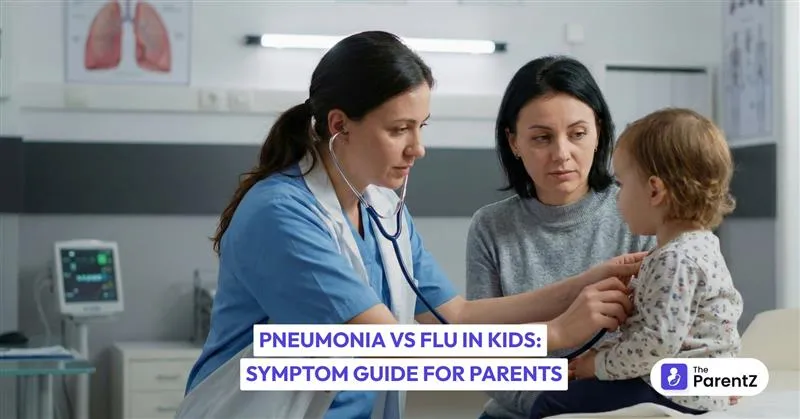
Winter is here, and with it comes the season where every cough and sneeze sends parents into worry mode. This year, medical experts are seeing an early surge in respiratory illnesses among children. Therefore, knowing the difference between flu and pneumonia could mean the difference between managing symptoms at home and rushing to the hospital.
Think of the flu as the sudden storm that hits without warning. One minute your child is fine, the next they're flat on the couch with a high fever and body aches. Pneumonia, on the other hand, is more like a slow leak; symptoms build gradually over days, often starting with what looks like a regular cold that just won't quit.
Both conditions affect the lungs and breathing, but they're different beasts. The flu is caused by a virus that attacks the nose, throat, and lungs. Children with the flu often experience sudden high fever, body aches, cough, and other symptoms. Pneumonia is an infection where the air sacs in the lungs fill with fluid or pus, making it harder for oxygen to reach the bloodstream.
Pneumonia can develop after a cold or flu. Your child might seem to be getting better from the flu, and then suddenly take a turn for the worse. That's the body's immune system already being worn down, making it easier for pneumonia to take hold.
The flu doesn't mess around. Flu symptoms appear suddenly and are more severe, including:
Most viral flu fever can be high intensity, but usually the fever intensity comes down within 3-5 days of onset. If your child has the flu, they'll look and feel miserable, but the worst of it typically passes within 3-4 days, though tiredness can hang around for weeks.
Pneumonia takes its time. Symptoms develop gradually over a few days:
The key symptom to suspect childhood pneumonia is tachypnea, rapid breathing. WHO defines this as a respiratory rate over 60 per minute for infants less than 2 months, over 50 per minute for infants between 2-12 months, and over 40 per minute for children 13 to 59 months of age. In babies and toddlers, pneumonia symptoms can be even trickier to spot. Watch for poor feeding, irritability, lethargy, or that scary moment when you notice their chest pulling in with each breath (called chest retractions).
Some symptoms mean dropping everything and getting help immediately:
Infants and toddlers should be examined sooner in the first 72 hours if high fever, persistent poor feeding, or breathing difficulty, as there are risks of pneumonia and wheezing for them.
For flu, doctors can do a rapid test using a nose swab that gives results in about 15 minutes. The catch? Antiviral medicines work best when started within 2 days after symptoms start, though starting them later can still help for high-risk children.
Pneumonia diagnosis often requires a chest X-ray to see if there's fluid or inflammation in the lungs. Sometimes doctors also order blood tests to figure out what's causing the infection.
For flu, the treatment depends on timing. If you catch it early (within 48 hours), antiviral medications can shorten the illness by 1-2 days and reduce severity. Otherwise, it's about managing symptoms with rest, fluids, and fever reducers.
For pneumonia, treatment depends on the cause. Viral pneumonia (like flu-related pneumonia) has to run its course with supportive care. Bacterial pneumonia requires antibiotics, and it's important to complete the full course even if your child starts to feel better. Severe cases, especially in children under 5, might require hospitalization for oxygen therapy or IV fluids.
Let's talk about what actually helps when you're caring for a sick child at home.
Annual flu vaccination has been shown to reduce flu illnesses, doctor's visits, and missed school days. Even better, it reduces the risk of flu-related hospitalization and death.
Here's the reality: Recent CDC data shows about 89% of children who die from flu were not fully vaccinated. The flu shot isn't perfect, but it significantly lowers the chances of severe illness and complications like pneumonia.
Vaccines that matter:
Daily habits that work:
This winter will challenge us as parents, but knowledge is power. Understanding the difference between flu and pneumonia, knowing the warning signs, and acting quickly when needed, as these are the tools that keep our children safe.
Stay warm, stay informed, and trust yourself.
TheParentZ offers expert parenting tips & advice, along with tools for for tracking baby and child growth and development. Know more about Baby Growth and Development Tracker App.It serves as an online community for parents, providing valuable information on baby names, health, nutrition, activities, product reviews, childcare, child development and more
Disclaimer:
The views, thoughts, and opinions expressed in this article/blog are solely those of the author and do not necessarily reflect the views of The ParentZ. Any omissions, errors, or inaccuracies are the responsibility of the author. The ParentZ assumes no liability or responsibility for any content presented. Always consult a qualified professional for specific advice related to parenting, health, or child development.
Conversations (Comments) are opinions of our readers and are subject to our Community Guidelines.



Be the first one to comment on this story.