
Most Moms Report Slower Recovery After a Second Birth
Jul 19, 2026By Dr. Akanksha Priya
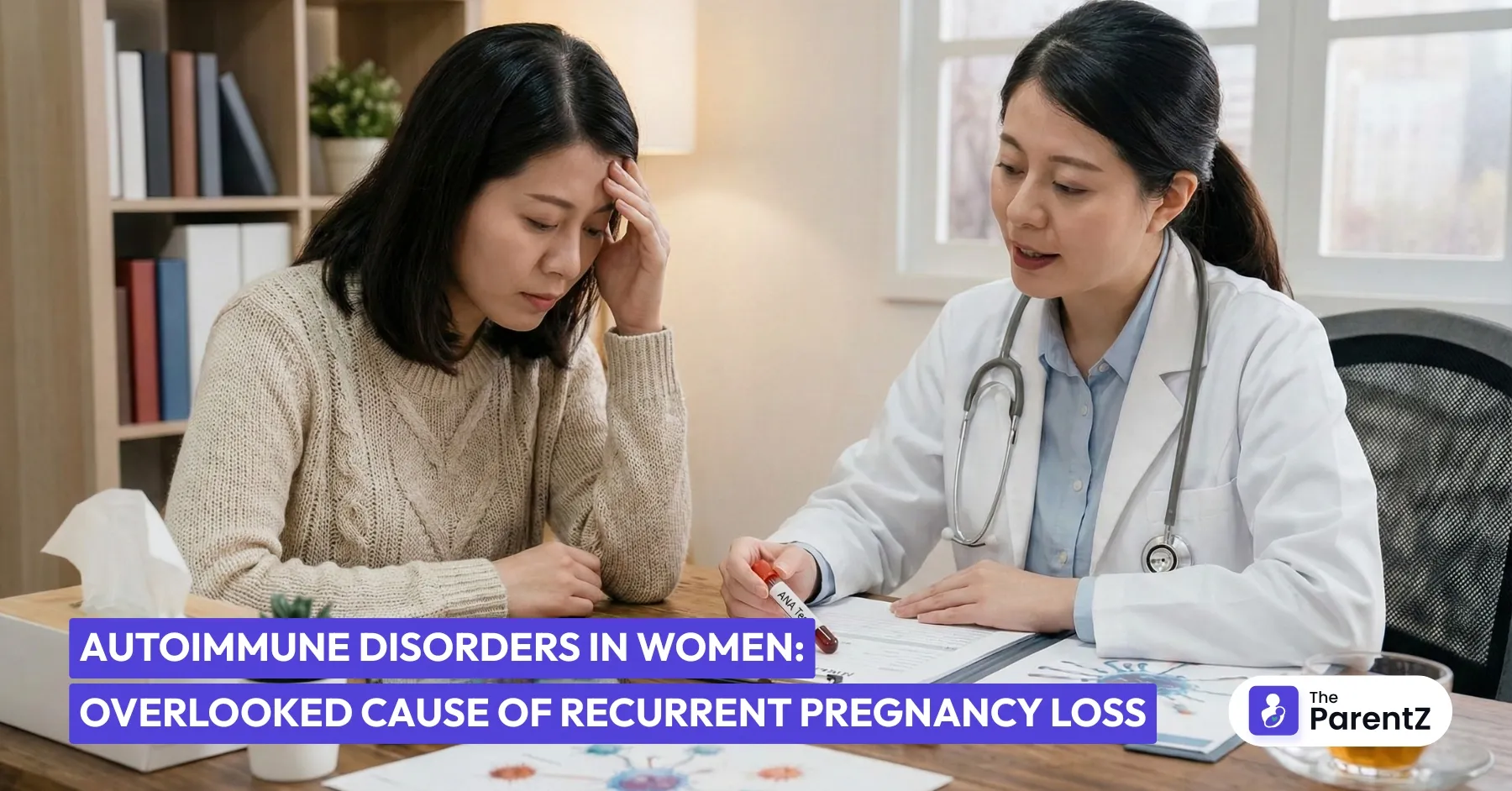
Recurrent pregnancy loss (RPL) is usually described as losing two or more pregnancies before 24 weeks. This experience is heartbreaking and often leaves women searching for clear answers. Understanding the possible causes is an important step in planning the next pregnancy with hope and confidence.
One important but often overlooked reason for repeated pregnancy loss is autoimmunity. Many women in India are now being diagnosed with autoimmune conditions that may affect fertility and pregnancy. These disorders can disturb the balance needed for healthy implantation and fetal growth, which may lead to recurring miscarriages or difficulty conceiving. This connection highlights why autoimmune infertility in India and the recurrent miscarriage autoimmune link are important topics for awareness and early diagnosis.
Autoimmune disorders happen when the body’s immune system starts attacking its own cells by mistake. Instead of defending the body from infections, it targets healthy tissues. When this mistake involves the reproductive system, it may affect the uterus, ovaries, hormones, or the early stages of pregnancy.
Some well-known autoimmune conditions linked to pregnancy loss include:
Many women may have more than one type of autoantibody in their blood, which increases the risk of complications during pregnancy.
Autoimmune disorders may interfere with pregnancy in several ways. The immune system can produce harmful antibodies, create inflammation, or even affect blood flow to the placenta. These processes may harm the embryo at very early stages.
These mechanisms explain why the recurrent miscarriage autoimmune link is becoming widely recognised in reproductive medicine.
India is seeing a rise in cases where women present with unexplained infertility or repeated miscarriages, but the underlying autoimmune cause is not identified early. Many women are told they have a “weak uterus,” or that stress is the main factor. However, autoimmune screening is still not routinely done, especially outside major cities.
Awareness of autoimmune infertility in India is essential because:
As diagnostic facilities improve across India, more clinics are integrating autoimmune testing into infertility and RPL evaluations.
Several processes explain how autoimmune disorders lead to miscarriage:
Each of these mechanisms can occur alone or in combination, which is why management often needs a personalized approach.
Testing for autoimmune causes is recommended in women who have experienced:
Important tests include:
A detailed medical history plays a major role in deciding which tests are necessary.
Managing autoimmunity before and during pregnancy often requires a team approach involving rheumatologists, fertility specialists, and obstetricians. Treatment depends on the underlying condition, disease severity, and pregnancy plans.
Women diagnosed with APS and pregnancy loss are usually advised to take a combination of:
This combination has been proven to improve pregnancy success by reducing clot formation.
Often used in lupus and sometimes APS, HCQ helps control inflammation and reduce the risk of pregnancy complications. It is widely considered safe during pregnancy when monitored by specialists.
Low-dose steroids may be used for active autoimmune disease. They must be carefully monitored due to possible side effects like gestational diabetes or high blood pressure.
Targeted medications may be recommended in women with severe autoimmune disease that does not respond to standard treatment. Their use during pregnancy is decided on a case-by-case basis.
It is important that women do not start or stop any medication without medical supervision.
Women with autoimmune disorders require closer monitoring to ensure both maternal health and fetal well-being.
Emotional support is also essential. Women who have experienced repeated losses may benefit from counseling to manage anxiety and stress during pregnancy.
Along with medical treatment, supportive care helps improve outcomes.
Helpful lifestyle strategies include:
Awareness about autoimmune causes of infertility and pregnancy loss is increasing in India, but many women still remain undiagnosed. Including autoimmune testing in the workup for unexplained infertility or RPL improves the chances of identifying issues early and starting the right treatment.
Multidisciplinary care, modern diagnostic tools, and evidence-based pregnancy management now offer real hope for women dealing with autoimmune disorders. With early diagnosis, correct medication, and careful monitoring, many women can experience successful pregnancies.
The conversation about autoimmune infertility in India is expanding, and more specialists are recognizing the importance of evaluating the recurrent miscarriage autoimmune link to support hopeful parents in their journey toward a healthy pregnancy and a healthy baby.
Download The ParentZ app for personalized health tracking, vaccination reminders, and expert parenting advice. Or visit www.theparentz.com for pregnancy tools, nutrition guides, and thousands of helpful articles for expectant mothers.
TheParentZ offers expert parenting tips & advice, along with tools for for tracking baby and child growth and development. Know more about Baby Growth and Development Tracker App.It serves as an online community for parents, providing valuable information on baby names, health, nutrition, activities, product reviews, childcare, child development and more
Dr. Shreya Karan is a dedicated oral and maxillofacial surgeon who brings over ten years of experience to her practice, combining surgical expertise with genuine care for her patients.
Disclaimer:
The views, thoughts, and opinions expressed in this article/blog are solely those of the author and do not necessarily reflect the views of The ParentZ. Any omissions, errors, or inaccuracies are the responsibility of the author. The ParentZ assumes no liability or responsibility for any content presented. Always consult a qualified professional for specific advice related to parenting, health, or child development.
Conversations (Comments) are opinions of our readers and are subject to our Community Guidelines.



Be the first one to comment on this story.