
Most Moms Report Slower Recovery After a Second Birth
Jul 19, 2026By Dr. Akanksha Priya
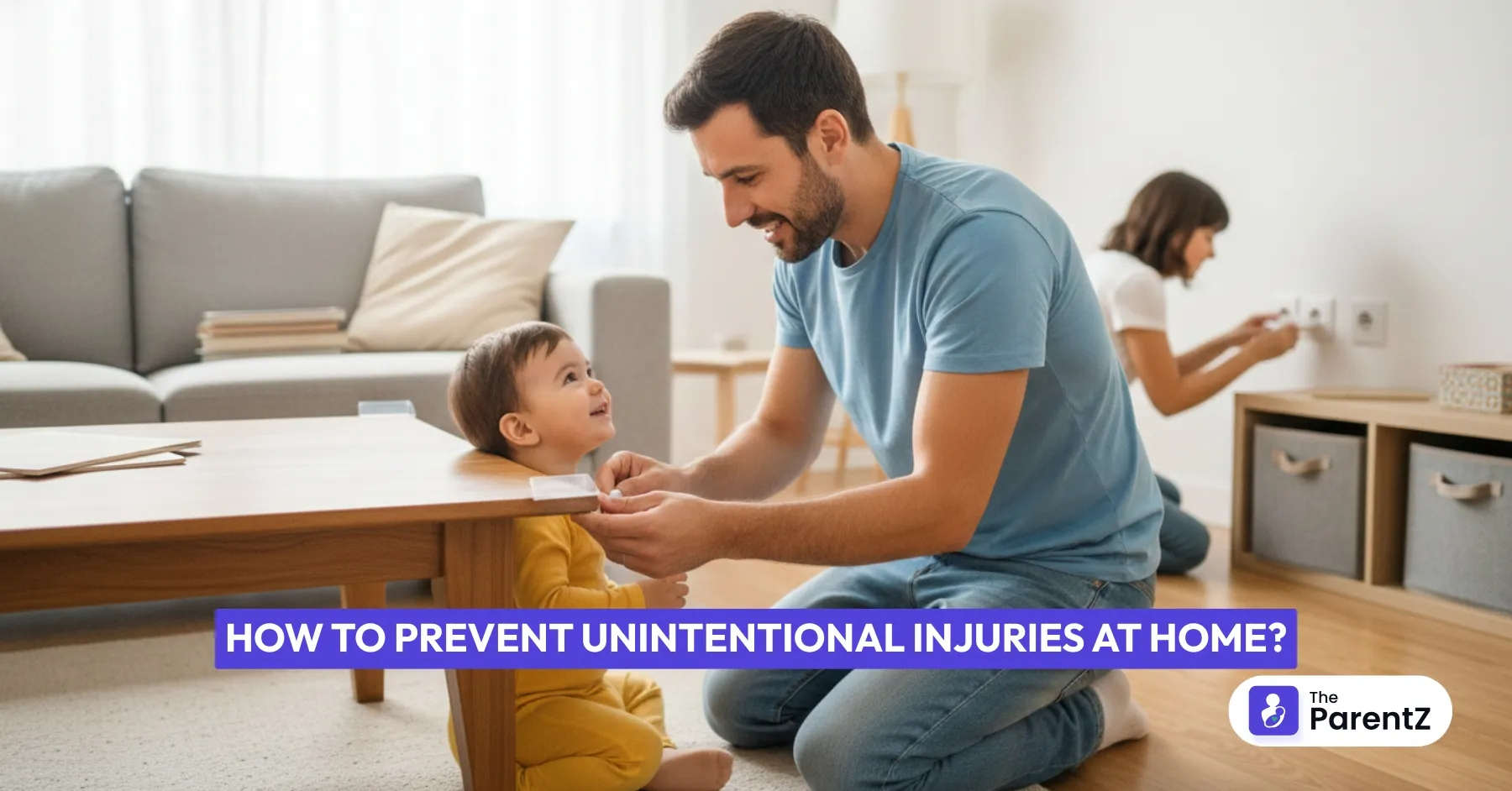
Your home, the place you think is safest, is actually where most childhood injuries happen.
Every day, thousands of children get hurt at home. Some from falling off furniture. Some from grabbing hot cups. Some from the things we never even thought about. And most of these injuries are completely preventable.
So, let’s talk about how you can prevent these unintentional injuries, without turning your home into a fortress.
In India, unintentional injuries are among the leading causes of death and disability in children under 14. The Government of India launched a National Strategy for Prevention of Unintentional Injury in 2024, focusing on four key areas: road traffic injuries, drowning, burns, and falls.
These aren't random accidents. They follow patterns. And once you know the patterns, you can break them.
Falls account for nearly half of all childhood injuries at home. Your toddler climbing that bookshelf? Not being naughty. Just being a toddler.
What Actually Works:
Pro Tip: You don't need to bubble-wrap your house. Start with the bedroom and the living room, where kids spend most of their time. Then gradually do other areas.
A hot cup of chai can burn a child's skin in just one second. That's how fast things go wrong.
Kitchen Safety That's Actually Doable:
You can't watch them every second. That's why the water heater temperature matters. That's why the pot handle direction matters. These things protect them when you blink.
Medicines look like candy. Cleaning products come in bright bottles. To a two-year-old, that's interesting stuff. Nearly 70% of poisoning cases in children under 5 involve medicines. The second biggest culprit is the household cleaners.
Simple Solutions:
Note: That nice-smelling floor cleaner under the sink? To your child, it looks like a juice bottle. Same with liquid detergent pods; they look like colorful toys.
A child can drown in just 2 inches of water. That bucket you're using to mop? That's enough.
Beyond the Obvious:
Pro Tip: In Indian homes, we use buckets everywhere, like for bathing, cleaning, and soaking clothes. Each one is a potential hazard for toddlers. Make it a habit to empty and flip them.
Kids under 4 are at the highest risk. They put everything in their mouths. Everything.
Practical Prevention:
Note: During festivals, we have lots of dry fruits and sweets around, so be extra careful. That almond or cashew is a choking hazard for kids.
Every 45 minutes, a child visits the emergency room because furniture tipped over on them. Dressers. Bookshelves. TVs.This happens because kids love to climb. They pull open drawers like stairs. They try to reach that remote on top. The weight shifts. The furniture falls.
The Fix:
Pro Tip: If you can't drill into walls in a rental, then use earthquake straps or ask your landlord. This is non-negotiable.
The most dangerous room, but also where kids learn and explore.
What to Do:
Slippery, full of chemicals, and has water.
Quick Wins:
Where everyone relaxes, but where most falls happen.
Simple Steps:
Kids' bedrooms see the most tip-over injuries.
Must-Dos:
You want them to be careful, not fearful.Age-Appropriate Conversations:
Make It Routine: Safety isn't a one-time lecture. It's a daily habit. Just like brushing teeth.The best injury prevention combines three things:
Environmental changes matter most. Because you can't watch 24/7. The physical barriers protect them when you blink, when you're in another room, when you're human.
Important: If your child is injured, stay calm and assess the situation. For serious injuries, seek medical help immediately. Keep emergency numbers handy.
Start with one room. Secure one piece of furniture today. Move those cleaning supplies tomorrow. Every small step makes your home safer. Every tiny change reduces risk.
And when your toddler tries to climb that newly-anchored bookshelf and it doesn't budge? That's when you'll know it was worth it.
TheParentZ offers expert parenting tips & advice, along with tools for for tracking baby and child growth and development. Know more about Baby Growth and Development Tracker App.It serves as an online community for parents, providing valuable information on baby names, health, nutrition, activities, product reviews, childcare, child development and more
Disclaimer:
The views, thoughts, and opinions expressed in this article/blog are solely those of the author and do not necessarily reflect the views of The ParentZ. Any omissions, errors, or inaccuracies are the responsibility of the author. The ParentZ assumes no liability or responsibility for any content presented. Always consult a qualified professional for specific advice related to parenting, health, or child development.
Conversations (Comments) are opinions of our readers and are subject to our Community Guidelines.



Be the first one to comment on this story.