Most Moms Report Slower Recovery After a Second Birth
Jul 19, 2026By Dr. Akanksha Priya
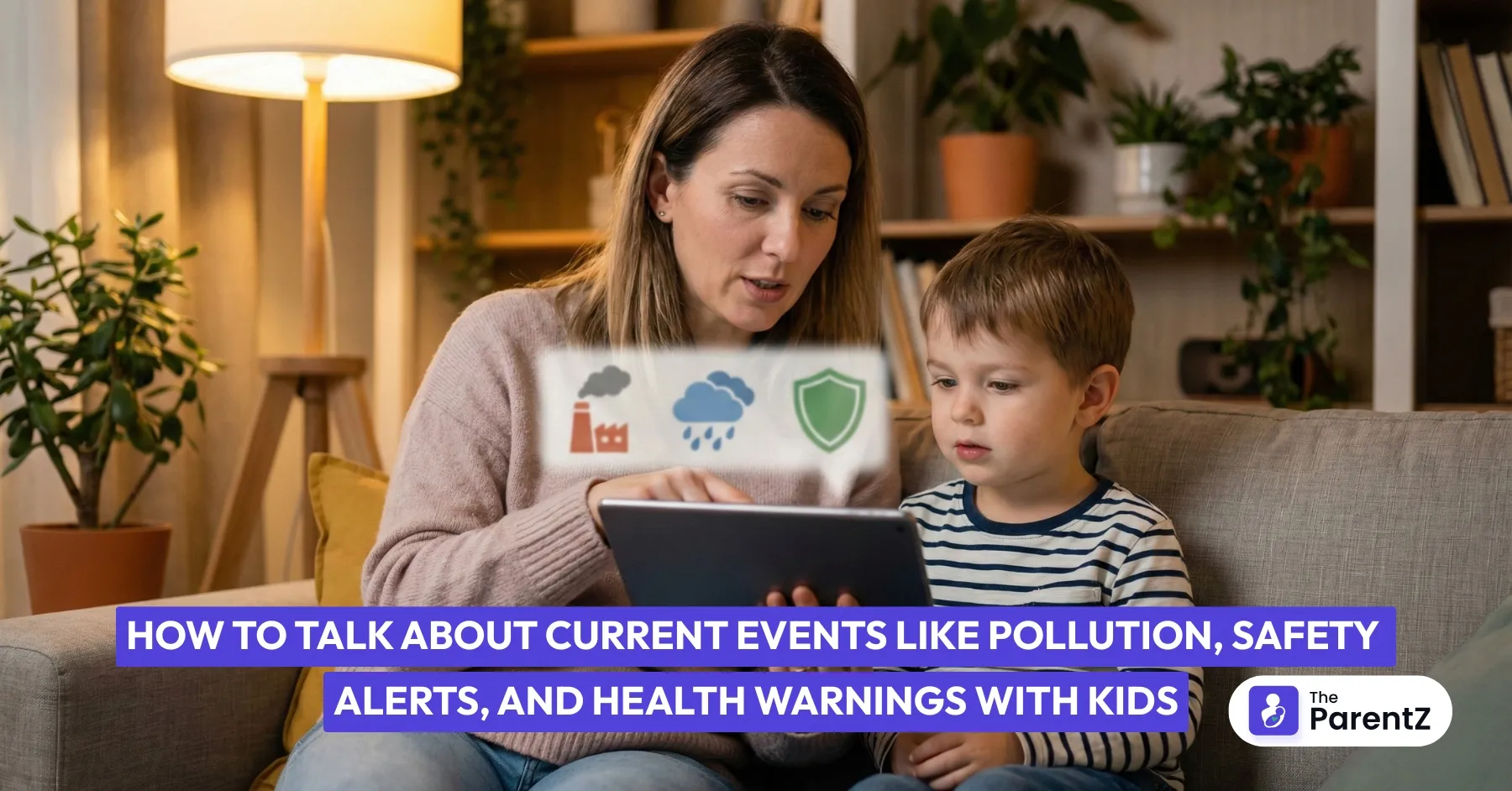
You wake up, check your phone, and you see another air quality alert. The AQI is in the red zone. Schools might close. Your child asks why they can't play outside today, and you're not quite sure how to explain it without either scaring them or pretending everything is fine.
In October 2025, Delhi recorded its worst air quality in three years, with pollution levels frequently crossing into the "Very Unhealthy" zone. As of late November, Delhi often topped the list of cities worldwide with the most polluted air. And it's not just Delhi anymore—cities including Mumbai, Kolkata, and Bengaluru are experiencing unhealthy to hazardous air quality levels.
The numbers tell an even more troubling story: 43% of all pollution-linked health insurance claims in 2025 were filed by children under 10. Nearly half of all people getting sick enough to file insurance claims from pollution are our kids. After Diwali this year, there was a 14% rise in health claims linked to respiratory distress.
PM2.5 particles are tiny enough to bypass natural defenses like nasal hairs and mucus, penetrating deep into the alveoli, those tiny air sacs in the lungs where oxygen enters the blood. Once there, these particles cause inflammation that doesn't just go away. Long-term exposure is linked to slower lung growth, meaning their lungs may never fully reach their healthy potential.
One pediatrician in Delhi reported seeing three-year-olds at her clinic struggling with a cough that never goes away. That's not normal, and that's not something any parent should have to accept as just "how things are."
The problem isn't just about lungs either. Research shows that pollution triggers asthma attacks and can trigger asthma in previously healthy children. It affects their heart health, their growth, and even their development.
How do you talk to your children about something this serious without creating anxiety or fear?
Kids are smart. They already know something is wrong when they see everyone wearing masks or when school suddenly moves online. Pretending everything is fine doesn't protect them; it just makes them feel confused and alone with their worries.
Early exposure to pollution doesn't just cause problems today; it affects your child's entire life. Studies show that pollution exposure affects height and weight in young children, especially during pregnancy and the first years of life. It impacts their cognitive development and their risk of chronic diseases later in life.
According to a March 2025 report, Delhi's winter average PM2.5 level was an alarming 175 µg/m³, which is several times higher than India's 24-hour standard of 60 µg/m³. Your child is breathing air that's three times worse than what's considered safe.
Children from wealthier backgrounds have access to air purifiers, better masks, and cleaner micro-environments. But in informal settlements, children live in cramped homes with poor ventilation and little protection. The same pollution crisis hits different families in vastly different ways.
Even if you can afford an air purifier or two, your child still goes to school, plays with friends, and lives in this city. There's only so much individual action can do when the problem is this widespread.
Your kids will face this reality every winter. They'll ask questions. They'll wonder why their friends in other countries don't deal with this. They'll want to know why grown-ups aren't fixing it faster.
This is a massive problem created over decades by countless decisions, from how we generate power to how we manage crop waste to what vehicles we drive. According to the India Meteorological Department, cooler nights and calm winds trap pollutants near the surface during November, exacerbating smog formation. Weather plays a role, but human activity is the real driver.
Your kids deserve to grow up with clean air. They deserve to run outside without checking an app first. They deserve lungs that develop to their full capacity and a future not shadowed by respiratory disease.
Until we get there, keep having these conversations. Keep them age-appropriate but honest. Equip your children with knowledge and agency, not fear. Help them understand that while this problem is serious, they're not powerless, and neither are you.
TheParentZ offers expert parenting tips & advice, along with tools for for tracking baby and child growth and development. Know more about Baby Growth and Development Tracker App.It serves as an online community for parents, providing valuable information on baby names, health, nutrition, activities, product reviews, childcare, child development and more
Disclaimer:
The views, thoughts, and opinions expressed in this article/blog are solely those of the author and do not necessarily reflect the views of The ParentZ. Any omissions, errors, or inaccuracies are the responsibility of the author. The ParentZ assumes no liability or responsibility for any content presented. Always consult a qualified professional for specific advice related to parenting, health, or child development.
Conversations (Comments) are opinions of our readers and are subject to our Community Guidelines.

Be the first one to comment on this story.