
Most Moms Report Slower Recovery After a Second Birth
Jul 19, 2026By Dr. Akanksha Priya
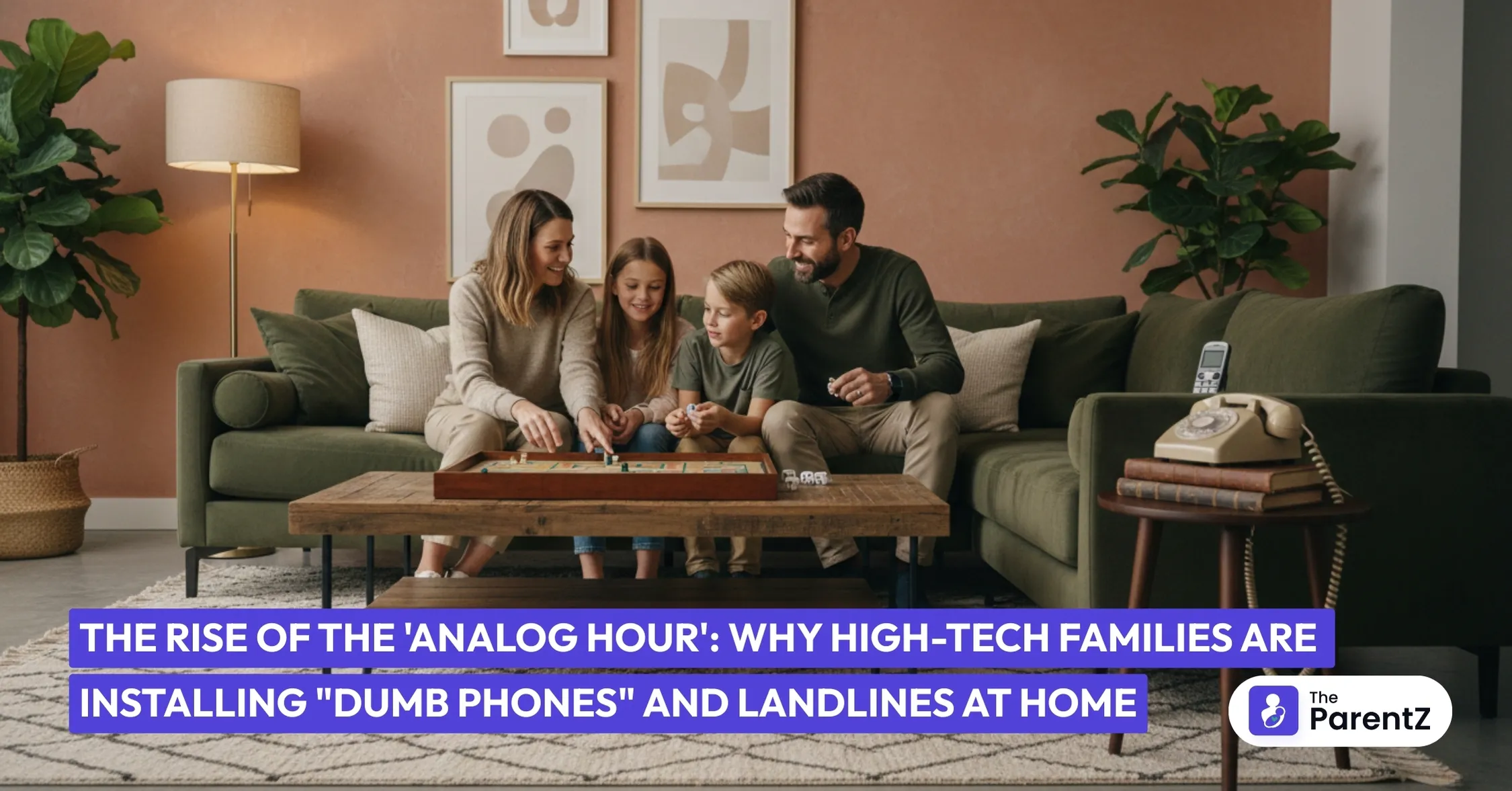
Remember when your biggest worry about your kid's phone call was whether they'd tie up the line for too long? Parents these days are bringing that experience back, and it's not just nostalgia talking.
Families across the globe are doing something that might sound backwards: they're installing landlines and giving their kids "dumb phones" instead of smartphones. And it's actually working.
That uneasy feeling when your 9-year-old asks for a phone "because everyone else has one"? The knot in your stomach about handing your child access to the entire internet and social media? Your instincts are backed by research.
Recent studies show screen exposure before age two is linked to brain changes causing slower decision-making and increased anxiety by the teenage years. Kids aged 9-10 who spend more time on screens show more severe depression, anxiety, and aggression two years later. 83% of parents believe children's mental health is worsening, with screen time topping concerns.
Parents aren't just worrying; they're acting.
In Seattle, some neighboring families made a pact: no smartphones, just landlines. In Maine, one mom convinced 15-20 families to join. What started as individual parents feeling overwhelmed has become a quiet movement.
This isn't just nostalgia. Parents who've made the switch see real changes:
This isn't about being anti-technology. This is about timing and intention. A 7-year-old's brain develops differently when stimulated by TikTok versus when bored enough to invent games with siblings. Social skills form through face-to-face interaction and phone conversations—not perfectly edited social media posts.
The research says that early and excessive screen exposure affects brain development, mental health, and attention. Kids given simpler technology become more confident, creative, and socially skilled.
Your child might complain you're "ruining their life." But in five years, they won't thank you for the smartphone at age 9. They might thank you for teaching them real conversations, comfort with boredom, and connection without screens.
You don't have to be perfect. You don't have to install a landline tomorrow. But you can start somewhere. You can decide that childhood is worth protecting, even if that means swimming against the current.
Sometimes, the most high-tech choice is choosing low-tech. And the best gift isn't the newest phone—it's the chance to grow up without one.
TheParentZ offers expert parenting tips & advice, along with tools for for tracking baby and child growth and development. Know more about Baby Growth and Development Tracker App.It serves as an online community for parents, providing valuable information on baby names, health, nutrition, activities, product reviews, childcare, child development and more
Disclaimer:
The views, thoughts, and opinions expressed in this article/blog are solely those of the author and do not necessarily reflect the views of The ParentZ. Any omissions, errors, or inaccuracies are the responsibility of the author. The ParentZ assumes no liability or responsibility for any content presented. Always consult a qualified professional for specific advice related to parenting, health, or child development.
Conversations (Comments) are opinions of our readers and are subject to our Community Guidelines.



Be the first one to comment on this story.