
Most Moms Report Slower Recovery After a Second Birth
Jul 19, 2026By Dr. Akanksha Priya
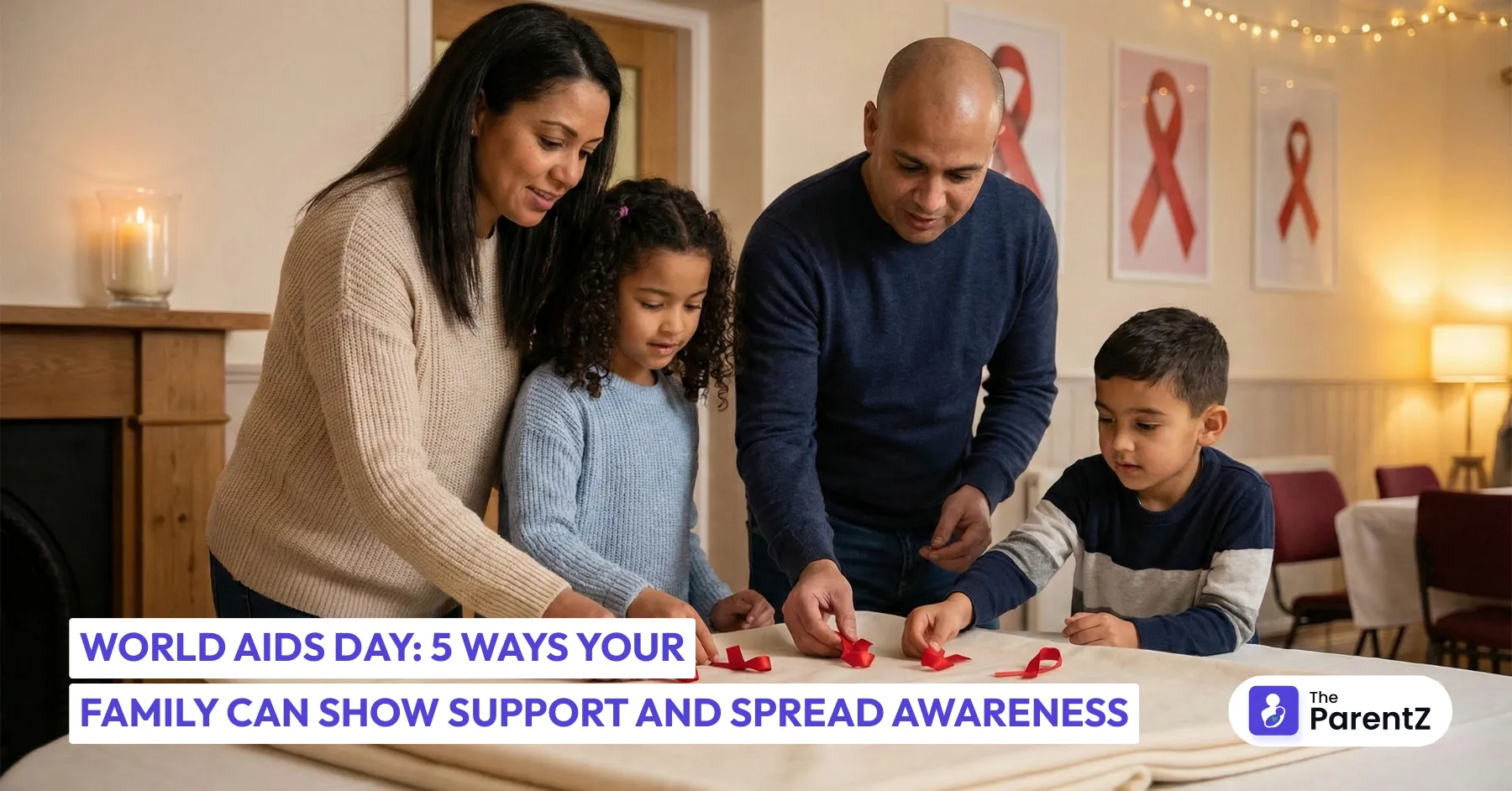
December 1st isn't just another date on the calendar; it's World AIDS Day, a day that's been around since 1988. Think about it: that's over 35 years of people worldwide coming together to remember, support, and fight against HIV and AIDS.
Despite all the progress we've made with medicine and awareness, around 630,000 people still died from AIDS-related illnesses in 2024. And approximately 40.8 million people are living with HIV worldwide (as of 2024 end). What really hits home is that about 1.3 million people were newly infected with HIV in 2024.
It's a day to remember the millions of people we've lost to AIDS since the epidemic began. It's also about celebrating the incredible progress we've made and acknowledging that there's still work to do. This year's theme, "Overcoming disruption, transforming the AIDS response," addresses something urgent: funding cuts from international donors have seriously disrupted HIV prevention services and community-led programs, especially for vulnerable populations. But it's also about resilience; communities stepping up, innovating, and refusing to let progress slip away.
Now, you might be thinking, "That's great, but what can we actually do with kids?" So, let's talk about five ways your family can make a difference without turning it into a lecture or something that feels forced.
You don't need to plan a formal sit-down or use complicated medical terms. During dinner, you could mention, "Today is World AIDS Day. Do you know what HIV is?" Let them tell you what they know first; you might be surprised by what they've already heard at school or from friends.
For younger kids (5-10), keep it basic. "HIV is a virus that makes it harder for people's bodies to fight off sickness. Scientists have created medicine that helps people with HIV live long, healthy lives."
For tweens and teens, you can dig deeper into how HIV is transmitted, the importance of getting tested, and how stigma hurts people living with HIV. You can explain that HIV is the virus, and AIDS is what happens when HIV isn't treated and the immune system becomes very weak. But here's the good news you should definitely share: with proper treatment, people with HIV can live normal lifespans and won't transmit the virus to others.
Answer their questions honestly. If you don't know something, look it up together. The goal isn't to scare them; it's to normalize talking about health and show them that people living with HIV deserve the same respect and compassion as anyone else.
After your conversation, let your kids help choose an organization to support. You could donate ₹100, ₹500, or whatever fits your budget to organizations like UNAIDS, the Global Fund, or local HIV/AIDS service organizations.
This year, donations matter even more. Many programs that provide HIV testing, prevention services, and support for people living with HIV have faced funding cuts. Your contribution, however small, helps fill that gap.
Let your kids be part of this. Show them the organization's website. Read together about what the money does, maybe it provides testing, or medicine for children, or supports families affected by HIV. When kids understand where their help goes, it means more to them.
Some families do a "charity jar" where everyone contributes spare change throughout the year. December 1st could be the day you donate it together. It's a small action, but it teaches kids that supporting important causes is part of being a good human.
Pro Tip: If you choose to donate, consider reputable organisations that operate in your country or region, or internationally, and always check how donations are used (prevention, testing, treatment, support).
The red ribbon is the universal symbol of awareness and support for people living with HIV. On December 1st (or the days leading up to it), wear something red as a family. Before you head out, explain why you're wearing it.
Your kids will likely get asked, "Why are you wearing red?" This is exactly the point. They can say, "It's World AIDS Day. The red ribbon shows support for people affected by HIV and AIDS." That's it. Simple, not preachy, and it plants seeds of awareness with their friends, teachers, and everyone they interact with.
You could even make red ribbons together the night before, using red construction paper or fabric. It becomes an activity that has meaning behind it. While you're crafting, talk about why awareness matters, that stigma and discrimination still prevent people from getting tested or seeking treatment, and that something as simple as wearing red shows solidarity.
If your family uses social media, this is an easy way to spread awareness. But don't just share a generic infographic. Make it personal and hopeful.
You could post something like: "Today our family is thinking about the millions of people affected by HIV/AIDS. Did you know that with proper treatment, people with HIV can live long, healthy lives and won't transmit the virus to others? This year's World AIDS Day theme reminds us that despite funding challenges, communities are showing incredible resilience. Let's keep fighting stigma and supporting research. #WorldAIDSDay #EndAIDS2030"
Let your older kids help write the message. They understand social media language better than we do anyway. The key is to focus on facts that challenge stigma rather than just sad statistics. Show people that HIV is manageable, that people living with HIV deserve support and dignity, and that testing and treatment save lives.
Here's a fact worth sharing: modern antiretroviral therapy has turned HIV from a near-certain fatal diagnosis into a manageable chronic condition. That's progress worth celebrating.
This one requires a bit more planning, but it's incredibly meaningful. Research local HIV/AIDS service organizations in your area. Many have programs where families can help, including assembling care packages, preparing meals, or participating in awareness walks (many happen around World AIDS Day).
If your kids are younger, you could bake cookies and deliver them to a local AIDS service organization's staff. Include a note: "Thank you for the work you do."
For older kids and teens, look into volunteer opportunities. Some organizations need help with administrative work, event setup, or fundraising. It exposes your kids to real people doing real work to help their community.
The point is showing your children that activism isn't just posting online; it's showing up, even in small ways. Especially this year, when many community organizations are facing funding cuts, your time and support mean everything.
So this December 1st, talk to your kids. Wear red. Donate some money. Share something hopeful online. Show your children that standing with people affected by HIV/AIDS matters, and that your family chooses compassion over silence.
TheParentZ offers expert parenting tips & advice, along with tools for for tracking baby and child growth and development. Know more about Baby Growth and Development Tracker App.It serves as an online community for parents, providing valuable information on baby names, health, nutrition, activities, product reviews, childcare, child development and more
Disclaimer:
The views, thoughts, and opinions expressed in this article/blog are solely those of the author and do not necessarily reflect the views of The ParentZ. Any omissions, errors, or inaccuracies are the responsibility of the author. The ParentZ assumes no liability or responsibility for any content presented. Always consult a qualified professional for specific advice related to parenting, health, or child development.
Conversations (Comments) are opinions of our readers and are subject to our Community Guidelines.



Be the first one to comment on this story.