
Most Moms Report Slower Recovery After a Second Birth
Jul 19, 2026By Dr. Akanksha Priya
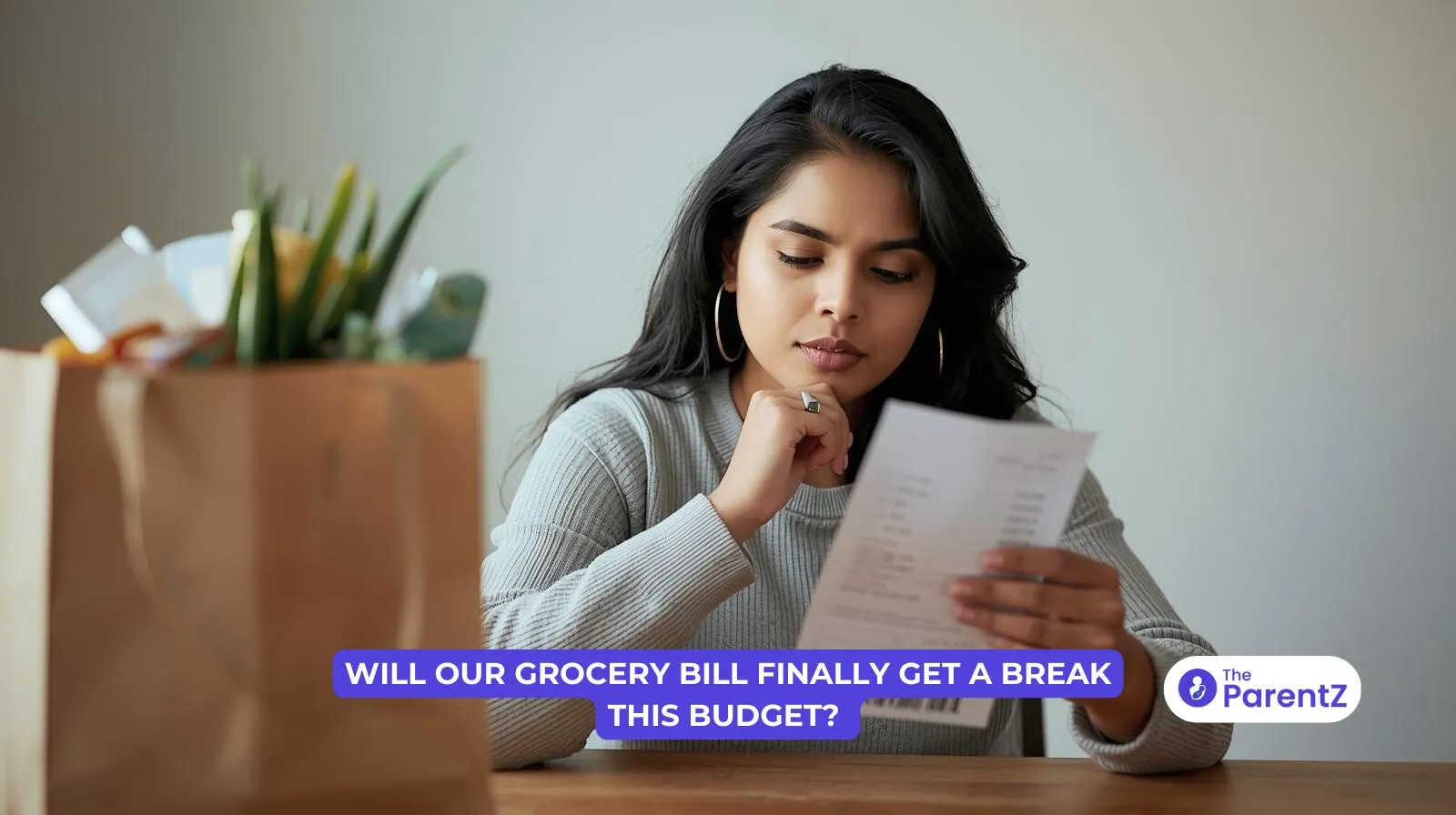
Finance Minister Nirmala Sitharaman just presented Budget 2026, and if you're like most parents, your first question is probably: "Will this help my grocery bill or not?"
Let us be honest with you right from the start. This budget doesn't have any big, direct announcements about reducing the prices of your daily groceries like rice, dal, or vegetables. But that doesn't mean the budget has nothing for families like ours. It's just that the benefits are a bit different this time.
This year's budget has been called a "producer-centric" budget by economists, which might sound confusing at first. Think of it this way: instead of giving us immediate relief on grocery prices, the government is focusing on making Indian industries stronger. The idea is that when industries grow, they create more jobs, and when more people have jobs, families have more money to spend. It's the long game, not the quick fix.
But what about this month's grocery bill? Let's break it down.
While your monthly groceries might not see a direct price drop, there are some things that will cost less, and some of these might actually help your family budget:
The budget didn't announce any direct changes to the prices of everyday groceries like rice, wheat, dal, vegetables, milk, or cooking oil. These items aren't getting cheaper or more expensive because of this budget specifically.
However, the budget does support farmers and the agriculture sector in other ways. The budget continues to support high-value crop cultivation and diversification. This means the government is helping farmers grow different types of crops and use better technology. Over time, this can help stabilize food prices and improve the quality of what we buy, but you won't see these changes overnight.
Unlike last year, when there were big tax cuts for salaried people, this budget doesn't have major tax benefits for the middle class. Experts say that for the middle class, indirect benefits are greater than direct benefits.
What does this mean for you? The budget is betting on creating more jobs and strengthening industries. When industries grow, and more people get employed, there's more money flowing in the economy, which eventually helps everyone. But this takes time.
Since the budget doesn't offer immediate grocery relief, here are some practical things you can do to manage your household budget:
Budget 2026 is not the budget that will dramatically lower your grocery bills this month or even this year. It's focused on making Indian industries stronger, creating jobs, and building a more self-reliant economy. The benefits for families will come, but they'll come gradually, through better employment opportunities, more stable supply chains, and a stronger economy.
In the meantime, there are some specific benefits you can take advantage of: cheaper cancer medicines if you need them, lower costs for sending money abroad for education or treatment, and reduced taxes on foreign travel.
As parents, we always want immediate relief when prices keep rising. This budget doesn't offer that quick fix. But it's trying to build something more lasting. Whether that strategy works or not, we'll have to wait and see.
For now, keep doing what you do best, including managing your household budget smartly, planning your expenses, and making sure your family is taken care of.
TheParentZ offers expert parenting tips & advice, along with tools for for tracking baby and child growth and development. Know more about Baby Growth and Development Tracker App.It serves as an online community for parents, providing valuable information on baby names, health, nutrition, activities, product reviews, childcare, child development and more
Disclaimer:
The views, thoughts, and opinions expressed in this article/blog are solely those of the author and do not necessarily reflect the views of The ParentZ. Any omissions, errors, or inaccuracies are the responsibility of the author. The ParentZ assumes no liability or responsibility for any content presented. Always consult a qualified professional for specific advice related to parenting, health, or child development.
Conversations (Comments) are opinions of our readers and are subject to our Community Guidelines.



Be the first one to comment on this story.