Most Moms Report Slower Recovery After a Second Birth
Jul 19, 2026By Dr. Akanksha Priya
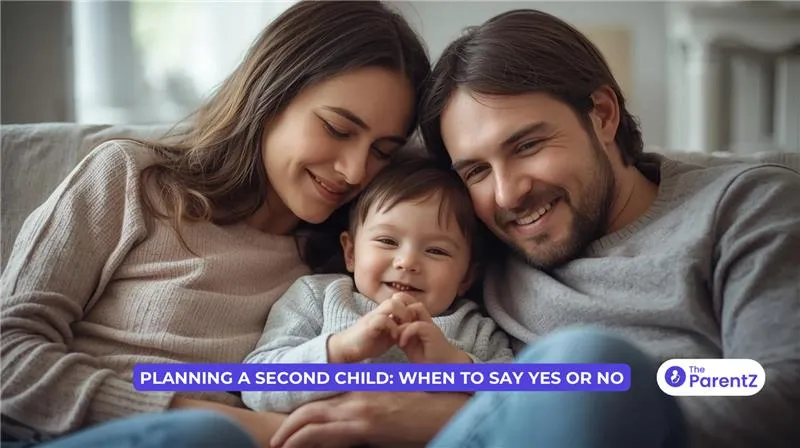
You're at a family gathering when someone asks, "Beta, when's the next one coming?" Your mother-in-law chimes in, "Don't wait too long. Siblings need to be close in age." Everyone nods. Meanwhile, you're still physically, emotionally, and mentally recovering from the first time around.
One thing you should always remember is that questioning whether you should have another child doesn't make you a bad mother. It makes you a thoughtful one.
In our society, "When are you having another one?" isn't really a question. It's an expectation wrapped in concern. The pressure builds from all sides. "Your child will be lonely!" "Two is better." "What will people think?"
But this isn't their body carrying the pregnancy. Not their career pausing again. Not their sleepless nights multiplying. It's yours.
Take Priya, for instance. Priya got pregnant when her first child was 22 months old. Everyone said the two-year gap was "perfect." Nobody mentioned that the World Health Organization recommends waiting at least 24 months after giving birth before conceiving again. Medical research shows that spacing pregnancies 18 to 23 months apart is optimal, giving your body time to recover from nutritional depletion.
Priya didn't know this. She developed severe anemia, struggled with a demanding toddler while nauseated and exhausted, got gestational diabetes, and delivered preterm. The "easy" gap became the hardest year of her life.
Stories like this are common. We rush because we think we should, not because we're ready. And when things get hard, we blame ourselves instead of questioning if we were set up for success.
Women in their second pregnancy often experience higher anxiety and depression rates than in their first. Why? Because you know how hard it is now. You're going in with your eyes open.
If you had postpartum depression before, you have a 50% to 62% risk of experiencing it again. Research shows that maternal depression negatively affects bonding and child development. Yet in our culture, mental health gets dismissed with "Just pray more." "Think positive." "Other women manage."
Your mental well-being isn't a luxury. It's essential for you and your children.
"Don't you want your child to have a playmate?"
"You're being selfish."
"We sacrificed so much for you."
Stop. Breathe.
Your child doesn't need a sibling to be happy. They need a present, healthy parent. Would you rather give them a sibling and an overwhelmed mother, or be your best self for the child you have?
The "they'll play together" fantasy? A toddler doesn't play with a newborn. They compete, resent, and feel displaced. That magical sibling bond takes years, if it develops at all.
Medical guidelines suggest waiting 18 to 24 months. Is your body strong? Energy restored? If you're still exhausted or dealing with health issues, your body is speaking. Listen.
Not just "okay with it" but genuinely ready? Can you handle pregnancy symptoms while parenting a toddler? If the thought makes you want to cry, there's your answer.
Poor relationships are linked to postpartum depression. A second child doesn't fix problems; it amplifies them.
Daycare, medical expenses, education, for two. Financial stress is a real risk factor for mental health issues. Considering money isn't shallow; it's responsible.
Strip away everyone's opinions. What do YOU want?
Now, let’s take Meera, for instance. Meera chose to be one and done. Family responded with shock, anger, and judgment.
"Selfish."
"Your son will be spoiled."
"What will people think?"
She held firm. Two years later? Her son thrives. She's present, energized. Her marriage is strong. Nobody's talking about it anymore. People move on.
The guilt faded when she realized her son was happier with a fully present parent than a stretched-thin version of her.
Sometimes yes is the answer, but it should be YOUR yes. Not pressure-driven, but from genuine readiness. Maybe at three years postpartum, you're strong. Financial situation improved. Support system built. You genuinely want to grow your family.
That's beautiful. That's a choice from strength, not obligation.
Pregnancy is irreversible. This decision deserves serious thought and complete ownership.
Having doubts doesn't mean you don't love children. It means you love them enough to consider if you can give them what they need. Questioning your capacity isn't weakness; it's wisdom.
If you choose not to have another child, your family isn't incomplete. Your existing child isn't deprived. You're making the best choice for YOUR family.
If you choose to have another, do it with eyes open. Wait the recommended time. Build support. Discuss mental health history with your doctor. Have honest conversations about labor division. Prepare financially.
But whatever you choose, choose it for yourself.
You don't owe anyone another pregnancy. Not your parents, in-laws, society, or even your first child.
Your body. Your mental health. Your decision.
If choosing yourself makes you feel guilty, remember that's cultural programming, not truth. You're not the villain for having boundaries. You're wise for having them.
TheParentZ offers expert parenting tips & advice, along with tools for for tracking baby and child growth and development. Know more about Baby Growth and Development Tracker App.It serves as an online community for parents, providing valuable information on baby names, health, nutrition, activities, product reviews, childcare, child development and more
Disclaimer:
The views, thoughts, and opinions expressed in this article/blog are solely those of the author and do not necessarily reflect the views of The ParentZ. Any omissions, errors, or inaccuracies are the responsibility of the author. The ParentZ assumes no liability or responsibility for any content presented. Always consult a qualified professional for specific advice related to parenting, health, or child development.
Conversations (Comments) are opinions of our readers and are subject to our Community Guidelines.


Be the first one to comment on this story.