Most Moms Report Slower Recovery After a Second Birth
Jul 19, 2026By Dr. Akanksha Priya
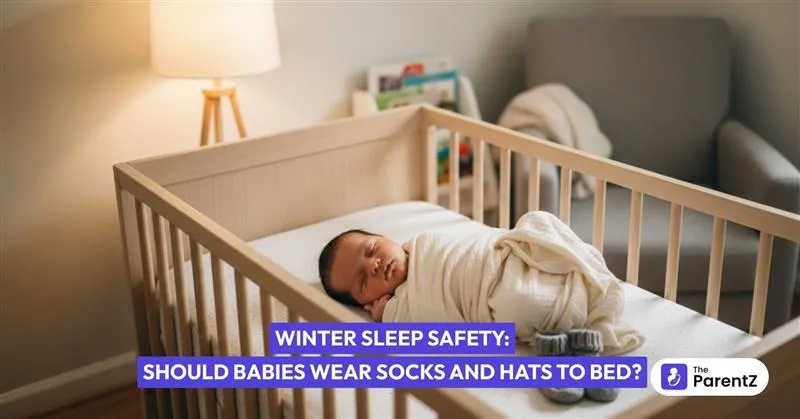
It's 2 AM on a cold Delhi night. You check on your baby, and their feet feel ice cold. Your instant thought is, "They must be freezing!" So you grab woolen socks and a cap. Unfortunately, what feels instinctively right isn’t always the safest choice.
This surprises most parents, but the American Academy of Pediatrics is clear: babies should not wear hats during indoor sleep once they are past the immediate newborn period (the first few hours after birth, when temperature stabilization is medically monitored).
Why? Babies regulate their body temperature mainly through their head and face. When you cover it with a cap, you block their natural cooling system. This can lead to overheating, which research shows increases the risk of SIDS (Sudden Infant Death Syndrome).
Think about it from their perspective. Your baby can't remove the hat themselves. They start getting too warm but can't cool down. The hat might shift during sleep and accidentally cover their face or nose. It's a risk we can easily avoid.
We understand that many families face pressure from well-meaning grandparents who say, "We always used caps, nothing happened!" But our understanding of infant sleep safety has evolved. What worked decades ago doesn't always align with current medical research.
Socks are different; they can be safe during sleep, but with important conditions.
Experts recommend room temperature between 68-72°F (20-22°C). Within this range, babies in footed sleepers or sleep sacks don't need socks. But many Indian homes don't have central heating. If your room drops below 20°C, lightweight cotton socks can help.
Safety checklist for socks:
Many parents use thick woolen socks or loose adult-sized ones, thinking "more warmth is better." This backfires when socks slip off during sleep, as a loose sock in the crib is dangerous.
Babies are at higher risk of SIDS during winter. Not from cold, but from overheating.
When babies look cold, we overdress them. Research shows thick clothing, too many layers, and high room temperatures all increase SIDS risk. Babies can't regulate temperature like adults. Their body heats up faster, and they sweat less, so they can't cool down easily.
Signs of overheating:
Simple test: Feel your baby's neck or tummy. It should be warm, not hot or sweaty. Cold hands and feet alone are normal, as their circulation system is still developing.
Many babies have dry skin in winter, and wrong fabric choices trigger allergies or eczema.
For babies with eczema or dry skin, stick to soft, natural fabrics, avoid rough seams, and wash new clothes before first wear to remove manufacturing chemicals.
Pro Tip: Baby's hands feel cold? Check their neck or tummy instead; if warm (not hot), they're fine. If genuinely cold (pale, cool tummy, shivering), add a sleep sack or increase room temperature. Never add loose blankets or hats.
Contact your pediatrician immediately if your baby is unresponsive, has bluish skin around the lips, breathes faster than 60 times per minute, has a fever while overdressed, or shows heat exhaustion signs.
Winter care isn't about maximum warmth; it's about balance. Skip hats during sleep. If using socks, ensure proper fit and breathable fabric. Choose natural over synthetic materials. Layer based on room temperature, not your feelings.
Your baby can regulate their temperature once they're past the first few days. Create a safe environment where their body can do its job. The best gift this winter is a safe sleep space where they rest peacefully and wake up smiling.
Stay warm, stay safe, and trust yourself.
TheParentZ offers expert parenting tips & advice, along with tools for for tracking baby and child growth and development. Know more about Baby Growth and Development Tracker App.It serves as an online community for parents, providing valuable information on baby names, health, nutrition, activities, product reviews, childcare, child development and more
Disclaimer:
The views, thoughts, and opinions expressed in this article/blog are solely those of the author and do not necessarily reflect the views of The ParentZ. Any omissions, errors, or inaccuracies are the responsibility of the author. The ParentZ assumes no liability or responsibility for any content presented. Always consult a qualified professional for specific advice related to parenting, health, or child development.
Conversations (Comments) are opinions of our readers and are subject to our Community Guidelines.


Be the first one to comment on this story.