
Most Moms Report Slower Recovery After a Second Birth
Jul 19, 2026By Dr. Akanksha Priya
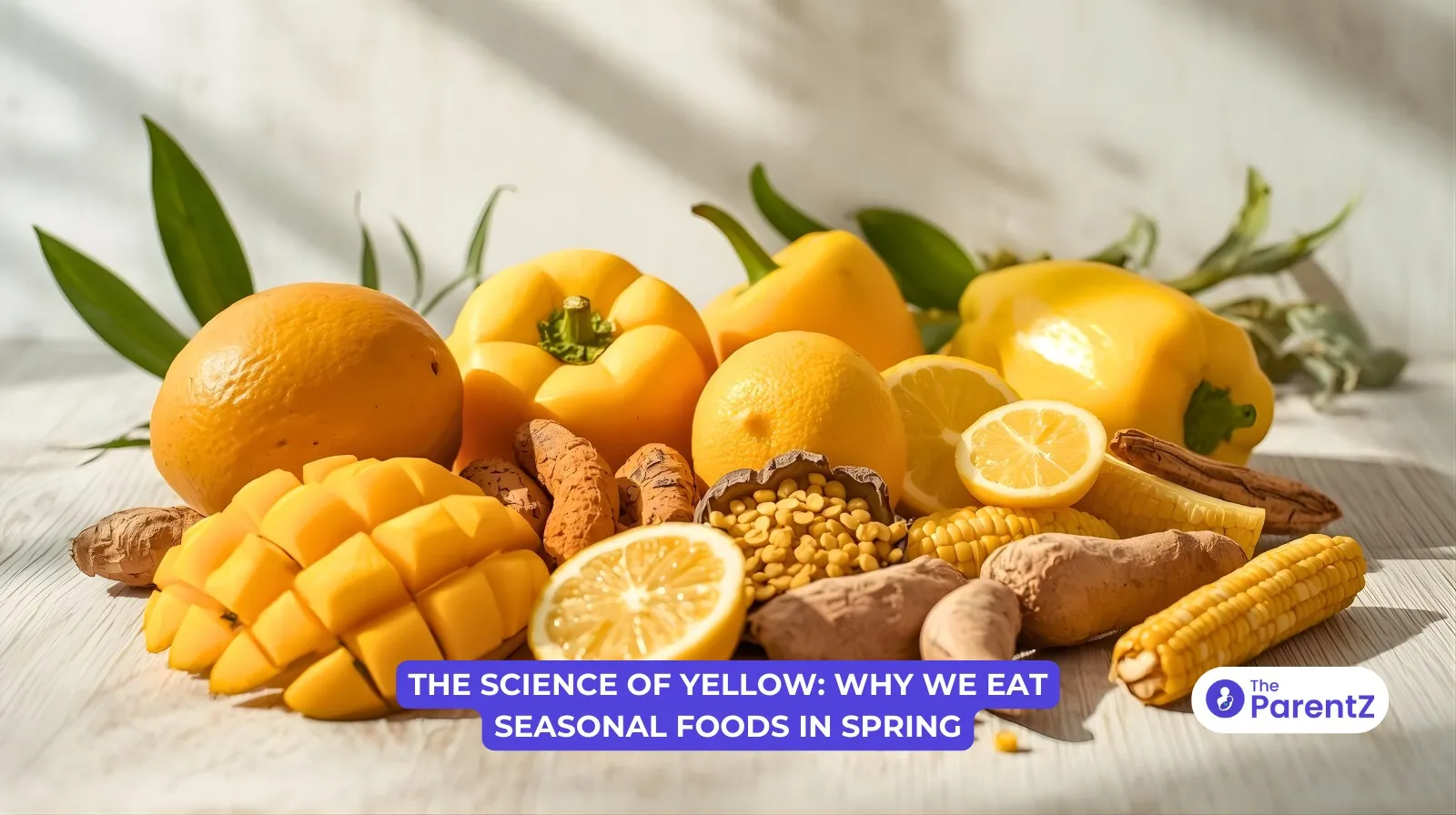
Remember when your grandmother would prepare aam panna the moment March arrived? Or add extra haldi to everything during spring? She was following thousands of years of wisdom that modern science is now validating.
Walk into any sabzi mandi in March or April, and the shift is obvious. Raw mangoes pile up. Lemons are everywhere. Turmeric feels fresher. Yellow moong dal becomes a kitchen staple.
This isn’t a coincidence. Seasonal foods grow in response to climate and soil conditions, and our bodies tend to benefit from what’s locally abundant.
Many yellow and yellow-orange foods contain natural plant compounds such as carotenoids and polyphenols, along with vitamin C and other antioxidants. These nutrients support gut health and metabolic balance, and overall recovery as the body transitions out of winter’s heavier eating patterns.
Turmeric, in particular, gets its color from curcumin, a compound widely studied for its role in supporting the body’s natural inflammatory response. This is why haldi milk, haldi in dal, or haldi in tadka has been part of Indian kitchens for generations, not as medicine, but as daily food.
Your grandmother didn’t need lab reports. She watched what worked.
Spring is the Kapha season in Ayurveda, when earth and water elements dominate. This explains why we feel heavy, sluggish, or catch colds easily during March-April. Our bodies are transitioning, shedding winter's weight.
Yellow foods with bitter and pungent qualities naturally balance this heaviness. They stimulate digestion, clear congestion, and energize without weighing you down. That's why turmeric, raw mangoes, yellow moong dal, and lemons dominate spring cooking. Our ancestors created medicine through food.
This doesn't mean expensive superfoods or complicated recipes. It's about the basics your mother already knows.
You're probably already doing this without realizing, like making nimbu paani on hot days, adding haldi to dal, buying mangoes when they're abundant. The only difference is being intentional. When raw mangoes arrive, make it a family activity. Let kids help make pickle or taste-test aam panna. These memories last longer than any Instagram-worthy meal.
For Picky Eaters:
Seasonal eating isn't about perfection. It's about noticing what's abundant and affordable around you. When turmeric is fresh, store some. When raw mangoes flood markets, make that pickle. When moong dal is on sale, stock up.
Nature gives us exactly what we need, when we need it. Spring's vibrant yellows aren't just beautiful; they're functional, helping our bodies shift gears and build immunity for summer.
Your grandmother knew this. Your local sabziwala knows this (notice seasonal produce displays?). Now you know the science behind the wisdom.
This spring, when you reach for that turmeric dabba or squeeze a lemon, you're not just cooking. You're connecting to thousands of years of knowledge that kept families healthy without expensive supplements.
Quick Spring Actions:
Start with just one. That's all it takes.

TheParentZ offers expert parenting tips & advice, along with tools for for tracking baby and child growth and development. Know more about Baby Growth and Development Tracker App.It serves as an online community for parents, providing valuable information on baby names, health, nutrition, activities, product reviews, childcare, child development and more
Disclaimer:
The views, thoughts, and opinions expressed in this article/blog are solely those of the author and do not necessarily reflect the views of The ParentZ. Any omissions, errors, or inaccuracies are the responsibility of the author. The ParentZ assumes no liability or responsibility for any content presented. Always consult a qualified professional for specific advice related to parenting, health, or child development.
Conversations (Comments) are opinions of our readers and are subject to our Community Guidelines.



Be the first one to comment on this story.