
Most Moms Report Slower Recovery After a Second Birth
Jul 19, 2026By Dr. Akanksha Priya
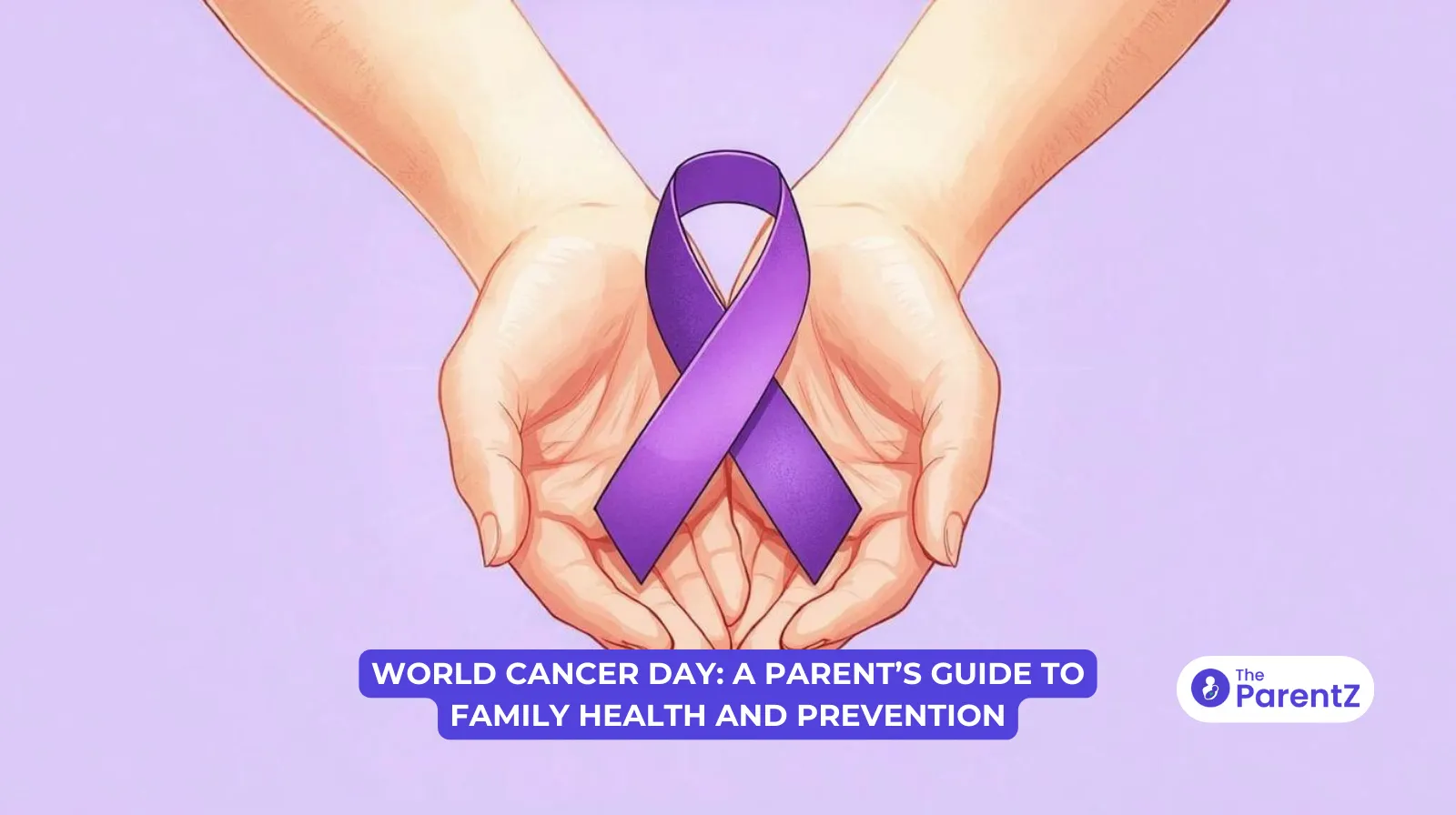
February 4th isn't just another date. It's World Cancer Day, a day when families worldwide pause to think about cancer prevention. And if you're a parent, this matters. The choices you make today shape your children's health for decades.
World Cancer Day started in 2000 in Paris. This year's theme, "United by Unique," recognizes something parents understand deeply: while cancer affects millions, every experience is different. Just like every child is unique, every cancer journey is unique too.
More than 40% of cancer cases are linked to preventable causes. Nearly half. That means your everyday decisions, like what's in the lunchbox, screen time limits, and vaccines, actually matter.
The numbers can feel heavy. Global health data from 2022 shows that around 20 million people received a cancer diagnosis that year. But there’s real progress too. In high-income countries, about 85% of children with cancer now survive 5 years or more, up from just 58% in the 1970s. Early detection changes everything.
Let's get practical. Small, consistent changes add up when you're juggling homework and soccer practice.
Getting kids to eat vegetables is hard. Everyone knows this.
Pro Tip: Let kids pick one new fruit or vegetable at the grocery store each week. Put cut veggies out during homework time when they're hungry and distracted. Blend spinach into smoothies. The goal isn't perfect nutrition; it's building habits that stick.
Additionally, focus on maintaining a healthy weight through balanced meals. Obesity is linked to increased risk for many types of cancer, including colorectal and endometrial. Emphasize portion control and family meals with whole foods over restrictive dieting to foster positive body image and long-term wellness.
Children need at least 60 minutes of physical activity each day. That doesn’t mean structured sports or gym classes. Walking to school, playing tag, riding bikes, dancing in the living room. It all counts. Long-term inactivity is linked to higher cancer risk later in life, especially through its impact on weight and overall health. Helping kids enjoy movement now sets patterns they carry into adulthood.
Just a few serious sunburns increase skin cancer risk later. Make sunscreen non-negotiable, like brushing teeth. Apply it before getting dressed in summer. Keep it by the door. Wide-brimmed hats aren't just cute; they're protective.
The HPV vaccine prevents several cancers and works best between ages 9-12. Yes, talking to your tween about this feels awkward. Do it anyway. The CDC recommends it for all kids in this age range. Think of it like a seatbelt; you hope you never need the protection, but you're grateful it's there.
Regular pediatric checkups matter too. They help track growth, catch unusual changes early, and ensure vaccines and screenings stay on schedule.
More than 1,600 young people in the United States try cigarettes for the first time every single day. Nearly 9 out of 10 adults who smoke started before age 18.
Start talking young. For little kids, explain like "Smoking makes people sick." For middle schoolers, show them what it does to athletic performance and appearance. For teens, be honest and tell them that it's addictive and causes cancer. Then listen without judgment.
Extend these conversations to alcohol as well because it is another often-overlooked cancer risk factor. Talking early and openly with teens about alcohol can help delay use and reduce long-term harm.
Screen time itself doesn’t cause cancer, but long periods of sitting can shape lifelong habits. Set screen-free times during meals, before bed, and right after school. Encouraging movement throughout the day supports overall health and balance.
You can't control everything about your environment, but you can make thoughtful choices. When replacing household products, look for safer options and reduce unnecessary chemical exposure where possible. Avoid smoking indoors. Use good ventilation while cooking. Limit the use of pesticides in areas where children play. These steps don’t eliminate risk, but they reduce it.
Air quality matters too. While outdoor pollution isn’t always avoidable, improving indoor air by avoiding indoor smoke, burning trash, or heavy incense can help protect growing lungs.
Most childhood cancers are caused by DNA changes that happen early, sometimes before birth. This means most can't be prevented. If your child is diagnosed, please know that it's extremely unlikely you could have prevented it. This isn't about guilt; it's about getting the best care and catching things early.
Know the warning signs, including unexplained lumps, persistent fever, unusual bruising, ongoing pain, and vision changes. Trust your gut. You know your child best.
A diagnosis can also take a toll on family mental health. So, consider joining support groups for emotional resources, counseling, or peer connections to help everyone cope.
Prevention isn't about fear. It's about building a family culture where health is normal, where vegetables appear at most meals (even if not always eaten), and movement is built in, and difficult health conversations happen early and often.
Talk to your pediatrician about family health history. If cancer runs in your family, your doctor might recommend earlier screenings. Get recommended vaccines. Make activity a family thing, not a chore.
Don't let perfect be the enemy of good. Some weeks, you'll survive on chicken nuggets and extra screen time. That's called being human. What matters is the overall pattern, like the habits you're building, conversations you're starting, and examples you're setting.
The "United by Unique" theme reminds us: every family's health journey differs, but we all want the same thing – keeping our loved ones healthy.
Start small. Pick one thing from this list this month. Next month, add another. Small steps, repeated consistently, create lasting change.
You're not alone. Millions of parents worldwide are having these same conversations, making these same choices. We're united in wanting better for our kids.
That's what World Cancer Day is about. Not fear, but action. Not perfection, but progress. Not doing it alone, but together.
TheParentZ offers expert parenting tips & advice, along with tools for for tracking baby and child growth and development. Know more about Baby Growth and Development Tracker App.It serves as an online community for parents, providing valuable information on baby names, health, nutrition, activities, product reviews, childcare, child development and more
Disclaimer:
The views, thoughts, and opinions expressed in this article/blog are solely those of the author and do not necessarily reflect the views of The ParentZ. Any omissions, errors, or inaccuracies are the responsibility of the author. The ParentZ assumes no liability or responsibility for any content presented. Always consult a qualified professional for specific advice related to parenting, health, or child development.
Conversations (Comments) are opinions of our readers and are subject to our Community Guidelines.

Be the first one to comment on this story.