
Most Moms Report Slower Recovery After a Second Birth
Jul 19, 2026By Dr. Akanksha Priya
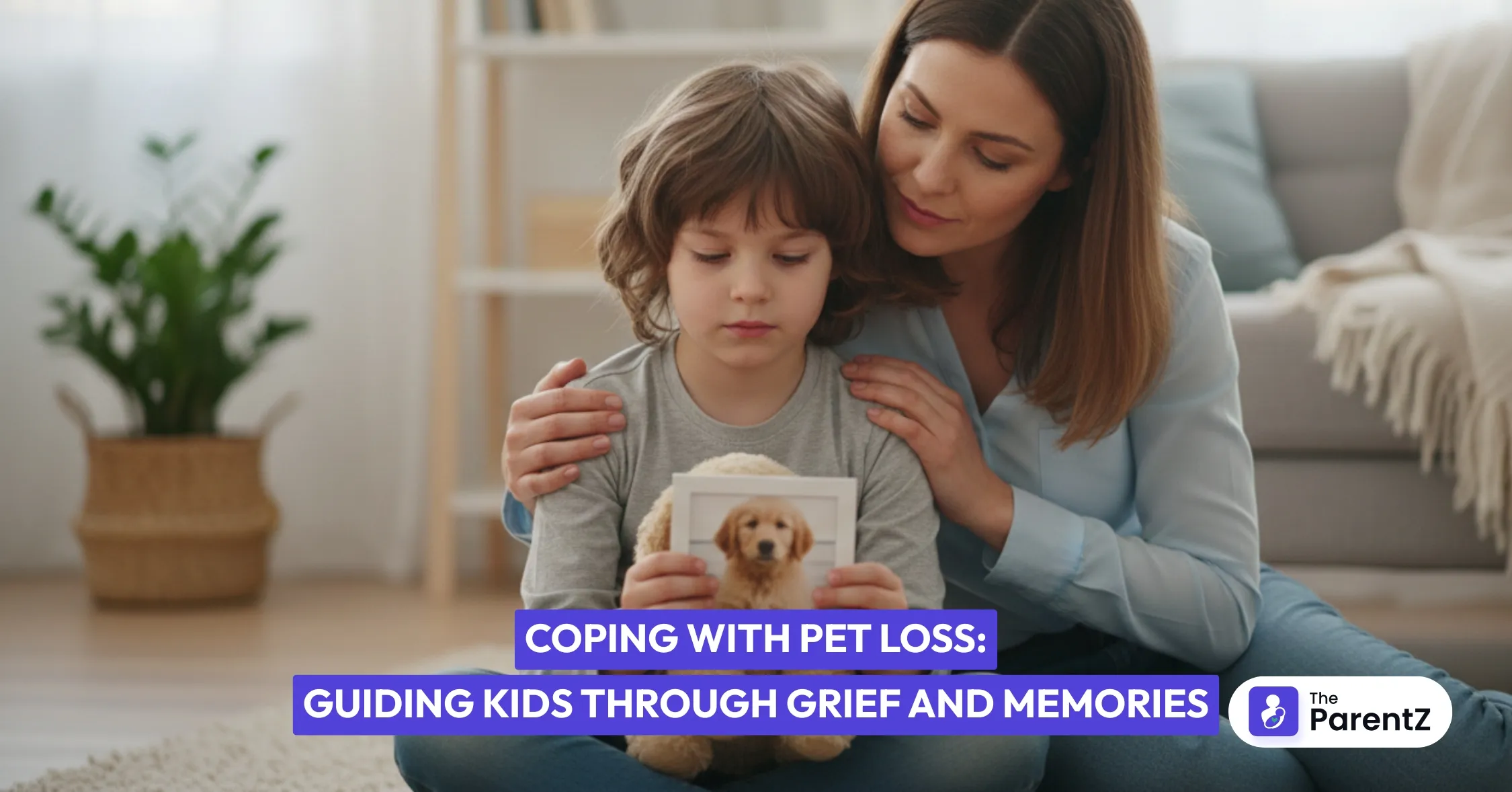
We all know that losing a pet is brutal. And watching your child go through it? Even harder. You might be hoping for a neat, organized grieving process. Maybe you're picturing a calm conversation where your child nods wisely and accepts that Fluffy has "gone to a better place."
Unfortunately, that's not happening.
Grief shows up as tears at 2 AM. It is questions you don't have answers to or anger at you for not saving their pet. It may show up as guilt that maybe they didn't play enough with the dog last week pr as confusion about why their stomach hurts when it's their heart that's broken.
This is normal. This is grief. And kids experience it differently from adults. It is louder, messier, and often without a filter.
Your job isn't to fix it or rush them through it. Your job is to sit with them in it, even when it's uncomfortable.
Kids don't process loss the way we do. A seven-year-old might cry for an hour, then ask for ice cream and laugh at cartoons. That doesn't mean they're "over it." Their brain literally can't hold heavy emotions for long stretches.
Teenagers might shut down completely or act like they don't care. Spoiler: they care deeply. They just don't know what to do with feelings this big.
Don't expect logical conversations. Don't be surprised if they regress a bit, like wanting extra cuddles, having trouble sleeping, or acting out at school. Loss shakes their sense of safety, and they're trying to find their footing again.
When you talk about the pet's death, use real words. "Died" or "death" and not "went to sleep" or "went away."
Why? Because "sleep" can make bedtime terrifying. "Went away" suggests the pet chose to leave them.
Answer their questions honestly, even the tough ones. "Where is he now?" "Did it hurt?" "Is it my fault?"
You don't need perfect answers. "I don't know" is valid. "I miss him too" is powerful. "You took such good care of him" can ease the guilt they're carrying.
Some kids want details; others don't. Follow their lead. If they ask, they're ready to hear it in some form.
There's no timeline for grief. Your child might seem fine for weeks, then fall apart when they see another dog at the park. They might want to talk about their pet constantly or refuse to mention them at all.
Both are okay.
Don't rush them toward "feeling better." Don't minimize their pain with "it's just a pet" (even if you're exhausted). To them, this pet was family. Their buddy. The one who listened without judgment.
Let them cry. Let them be angry. Let them feel whatever they need to feel without trying to manage it into something more comfortable for you.
The pain won't stay this sharp forever.
Right now, every memory stings. Eventually, and there's no set date for this, they'll be able to think about their pet and smile before they cry. They'll remember the funny things, the happy moments, without their chest tightening quite so hard.
They won't forget. The love doesn't go away. But the pain does soften.
Help them understand that this isn't about "getting over" their pet. It's about learning to carry the loss differently.
This is where you can actually do something concrete.
Let them decide how to remember their pet. Maybe it's a photo frame in their room. Maybe it's a drawing. Maybe they want to plant something in the garden or donate old toys to a shelter.
Don't force memory projects. Offer options and let them choose what feels right. Some kids find comfort in rituals; others just need time.
One child may want to light a candle on their dog's birthday. Another kid might want to write letters to their cat. There's no wrong way to remember.
Most kids move through grief naturally, but sometimes they get stuck. If weeks pass and they're still:
It might be time to talk to a counselor. There's no shame in getting help. Grief counselors exist for exactly this reason.
Not solutions. Not distractions. Not toxic positivity.
They need you to acknowledge that this sucks. They need permission to feel sad without you trying to cheer them up immediately. They need to know their feelings won't scare you away.
Show them your grief too, if you're feeling it. Let them see that adults also struggle with loss and that's okay. You don't have to be strong all the time; you just have to be present.
Losing a pet is often a child's first real encounter with death. How you handle it teaches them how to handle future losses.
You're not just helping them through this moment. You're showing them that grief is survivable, that love matters even when it hurts, and that memories can be both painful and precious.
Give yourself grace too. There's no parenting manual for this. You're doing your best with a truly hard situation and that's enough.

TheParentZ offers expert parenting tips & advice, along with tools for for tracking baby and child growth and development. Know more about Baby Growth and Development Tracker App.It serves as an online community for parents, providing valuable information on baby names, health, nutrition, activities, product reviews, childcare, child development and more
Disclaimer:
The views, thoughts, and opinions expressed in this article/blog are solely those of the author and do not necessarily reflect the views of The ParentZ. Any omissions, errors, or inaccuracies are the responsibility of the author. The ParentZ assumes no liability or responsibility for any content presented. Always consult a qualified professional for specific advice related to parenting, health, or child development.
Conversations (Comments) are opinions of our readers and are subject to our Community Guidelines.


Be the first one to comment on this story.