
Most Moms Report Slower Recovery After a Second Birth
Jul 19, 2026By Dr. Akanksha Priya
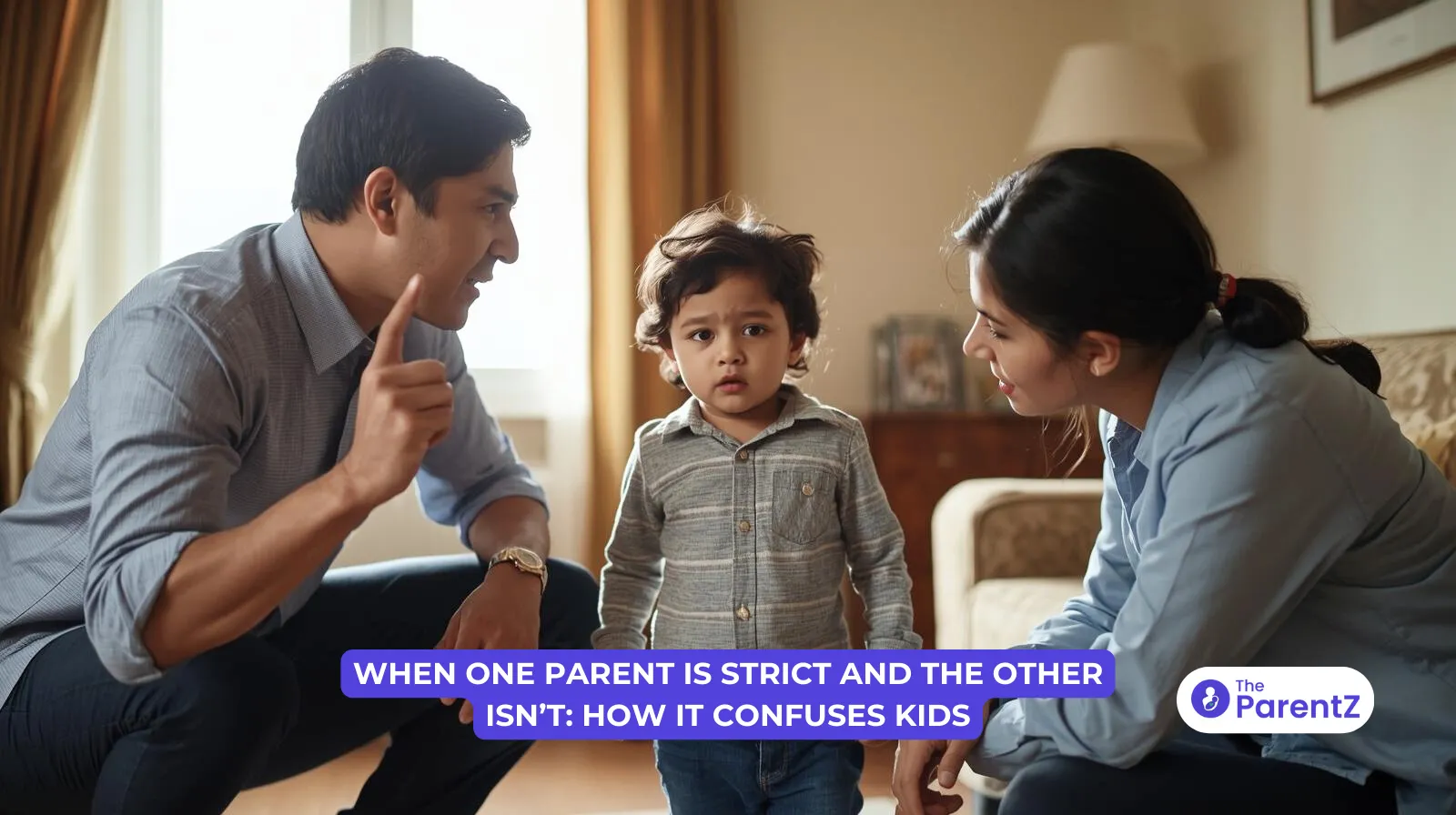
Ever notice your child runs to Dad when you say no, knowing he'll probably say yes? Welcome to "good cop, bad cop" parenting, and your kids have figured it out faster than you think.
Nobody plans to become the family villain. This dynamic creeps in quietly. Maybe one parent spends less time at home and wants those hours conflict-free. Or one handles daily battles and the other steps in to "lay down the law."
Recent research found that 7 in 10 parents feel stuck in either a good cop or bad cop role. The parent doing the daily grind often ends up stricter because they're handling the mess when rules break down.
When Mom says no screen time before homework, but Dad allows "just five minutes," your child learns rules are negotiable depending on who's watching.
A study found that kids receiving contradictory instructions felt uncertain and stressed. For instance, if you tell your kid to be independent, but when they start making decisions, you get upset and say they should have asked first, this is going to make things incredibly difficult for your child. If your bosses contradicted each other constantly, you'd feel anxious, too. That's your child's reality.
Your kid gets a bad grade. Mom says no birthday party this weekend. Dad sneaks in, "Don't worry, I'll talk to Mom." Now your child learns that rules don't really matter if they wait it out.
Or you say no sweets before dinner. Your partner gives them a cookie anyway. Next time, your child waits for the other parent.
Your teenager wants to go out. You say 10 PM curfew. Your partner says midnight is fine. Your teen knows you're not communicating, and they'll use that gap every time.
Your kids need predictable parents, not perfect ones. Research shows children with consistent, united parents have higher self-esteem, better social skills, lower anxiety, and fewer behavioral problems.
This isn't about strict versus lenient; it's about consistency. Working parent guilt is real, but being the parent who never enforces rules isn't helping. Your child needs a parent, not just a friend.
In joint families, get everyone on the same page about core rules. It gives children security.
Tonight, have that conversation. Figure out what you both care about. Your child is watching how you treat each other as co-parents. Make it count.
TheParentZ offers expert parenting tips & advice, along with tools for for tracking baby and child growth and development. Know more about Baby Growth and Development Tracker App.It serves as an online community for parents, providing valuable information on baby names, health, nutrition, activities, product reviews, childcare, child development and more
Disclaimer:
The views, thoughts, and opinions expressed in this article/blog are solely those of the author and do not necessarily reflect the views of The ParentZ. Any omissions, errors, or inaccuracies are the responsibility of the author. The ParentZ assumes no liability or responsibility for any content presented. Always consult a qualified professional for specific advice related to parenting, health, or child development.
Conversations (Comments) are opinions of our readers and are subject to our Community Guidelines.


Be the first one to comment on this story.